





A brick house with a white porch and a light-colored single-story house behind a trimmed hedge, framed by large oak branches draped with Spanish moss.

Heat Pump Installation in Booneville, AR

Tell us about the job

Takes about a minute. No obligation.

New system or replacementHeat PumpLogan County, AR
Step 1 of 2

What ZIP code is the job in?

Electricity heats 59.3% of homes in Logan County, more than any other fuel. Utility gas runs a distant second at 31.1%. A heat pump fits right into that picture, since it runs on electricity like the furnace or baseboard heat it would replace. For a home already wired for electric heat, swapping in a heat pump usually means no new fuel line or gas hookup to think about. That makes it a straightforward path for most homeowners here, whether the old system is on its way out or just ready for an upgrade.

7 months
October through April, your system heats
5 months
May through September, it cools
31°F
the average winter night it heats against
90°F
the average summer afternoon it cools against
Isometric cutaway illustration of a small house showing interior rooms with furniture, an indoor air handler with ductwork, and lines running to an outdoor condenser unit beside the building.
Your system heats October through April and cools May through September.

NOAA nClimDiv, 1991–2020 normals

Logan County saw 55 damaging wind events and 29 hail events over the past decade.

A heat pump installed here needs to hold up outdoors like any system in this area, which comes down to install quality, not a bigger or pricier unit.

October is the month to have it in, before heat season starts

Cooling runs May through September
Heat runs October through April
Power costs 12.32 cents a kWh statewide

Arkansas homes paid 12.32 cents per kilowatt-hour in 2024, cheaper than most of the country. That changes the math on a heat pump. A high-efficiency model still costs more upfront, and with power this cheap, it takes longer to earn that difference back in lower bills. The case for a heat pump here is less about shaving pennies off the electric bill and more about what it replaces and how well it's put in. A unit sized right for the house and installed correctly will hold up and keep the place comfortable, and that matters more than chasing the highest efficiency number on the shelf.

A new heat pump here has to meet zone 3A's efficiency minimum

Any heat pump installed in Logan County now has to meet 14.3 SEER2 and 7.5 HSPF2 at minimum, the standard for this zone. That's the baseline a licensed contractor will be working from when they size and quote a system for your house.

Find a contractor
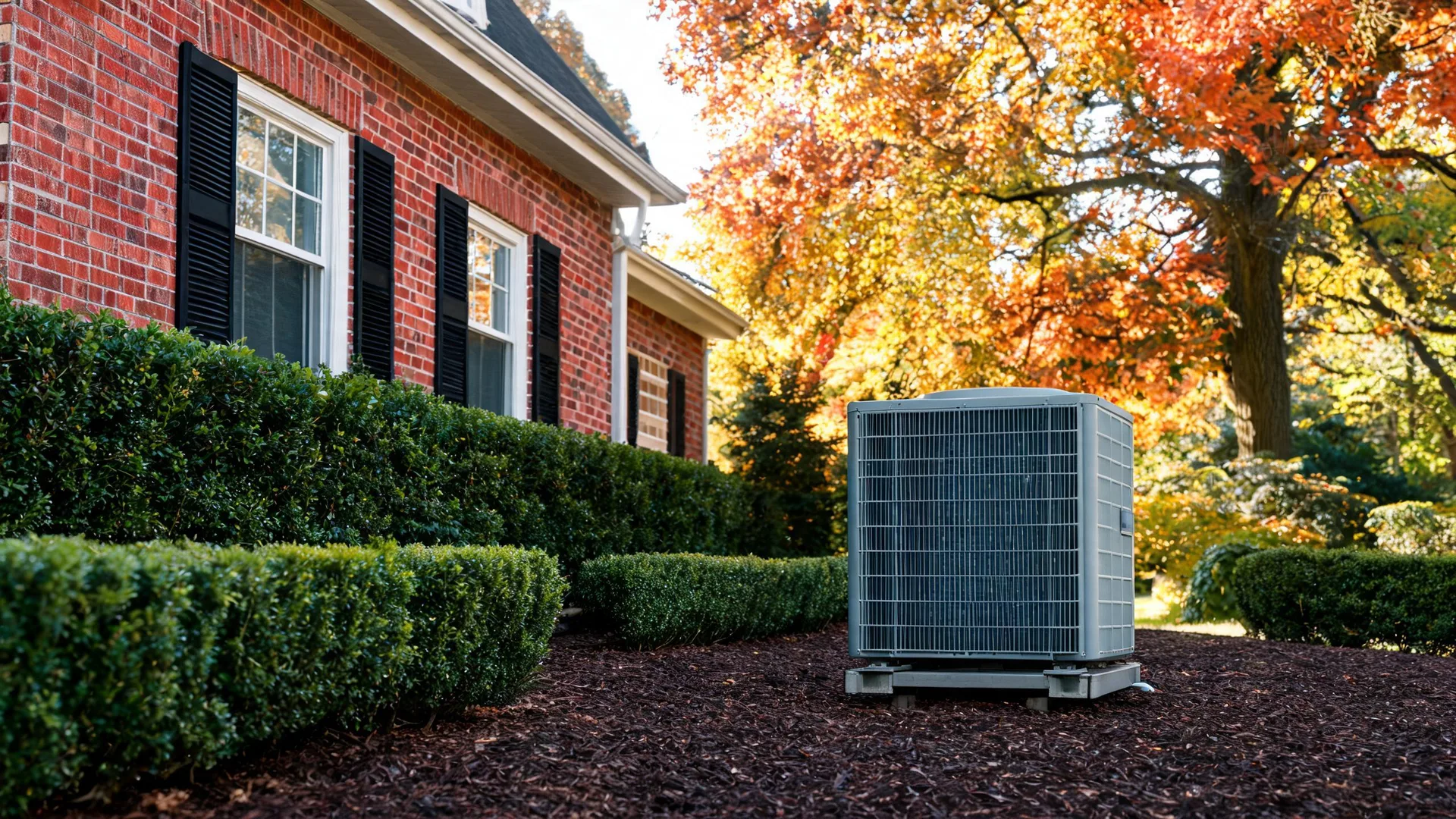
A white mini-split heat pump outdoor unit mounted on a concrete pad beside a gray-sided house, surrounded by gravel and green shrubs.

What's under the quote

The price swings most on sizing and what the installer has to do to your house to get the unit in right. A load calculation looks at square footage, insulation, window count and layout to figure out the right size heat pump, and that number drives everything after it, from the size of the outdoor unit to the ductwork it connects to. If the existing ducts are undersized or leaky, they may need rework before the new system can move enough air, and that's labor beyond the equipment itself. A home moving from baseboard or a furnace without ducts to a ducted heat pump needs ductwork built from scratch, which is a different job than swapping one unit for another on the same line set. Electrical work matters too. Heat pumps draw differently than what they replace, and a panel without the capacity to spare may need an upgrade before the new unit can be wired in. Where the outdoor unit sits, how far the line set has to run, and how easy the attic or crawlspace is to work in all add or cut time on the job. None of that shows up in the sticker price of the equipment, but it's what a contractor is actually pricing when they walk the house and write the quote.

Ask for the load calculation, not a guess

A contractor should size a heat pump from a room by room load calculation, not from the size of the unit it replaces. Ask to see the numbers behind the quote. If a contractor sizes off square footage alone or skips this step, the unit can end up too big or too small for the house, and either way comfort and equipment life suffer.
Ask what happens below freezing

Every heat pump loses capacity as the outdoor temperature drops, and most rely on backup heat strips or a furnace to carry the coldest days. Ask what backup heat the system uses, how it's sized, and at what outdoor temperature it kicks in. A quote that doesn't mention backup heat is leaving out part of how the system actually keeps the house warm.

Whoever installs the new heat pump still has to deal with what's coming out. If the old system ran on refrigerant, it has to be recovered into a tank rather than vented, so count on that step happening before the old unit comes off the line set. An old furnace or air handler gets disconnected from the ductwork and hauled out, and if a furnace shared a flue with a water heater, that flue may need a second look once the furnace is gone. Baseboard heat comes out differently, since each unit is wired on its own and has to be pulled and capped at the circuit. None of this is complicated work, but it's real labor on top of setting the new equipment, and it's worth asking whether removal and disposal of the old system is already part of the quote or billed separately.

SEER2 covers cooling, HSPF2 covers heating, and both measure how much heat the unit moves for the power it draws over a full season, not at any one moment. A higher rating means less wasted electricity, but it doesn't tell you how warm the house feels on the coldest morning or how fast it recovers after the thermostat gets bumped. Sizing and installation decide that part. Units with the same rating on the label can perform differently in the same house, depending on whether the ductwork can actually move the air the equipment is built to deliver. Treat the rating as a starting point for comparing equipment, not a promise about comfort.