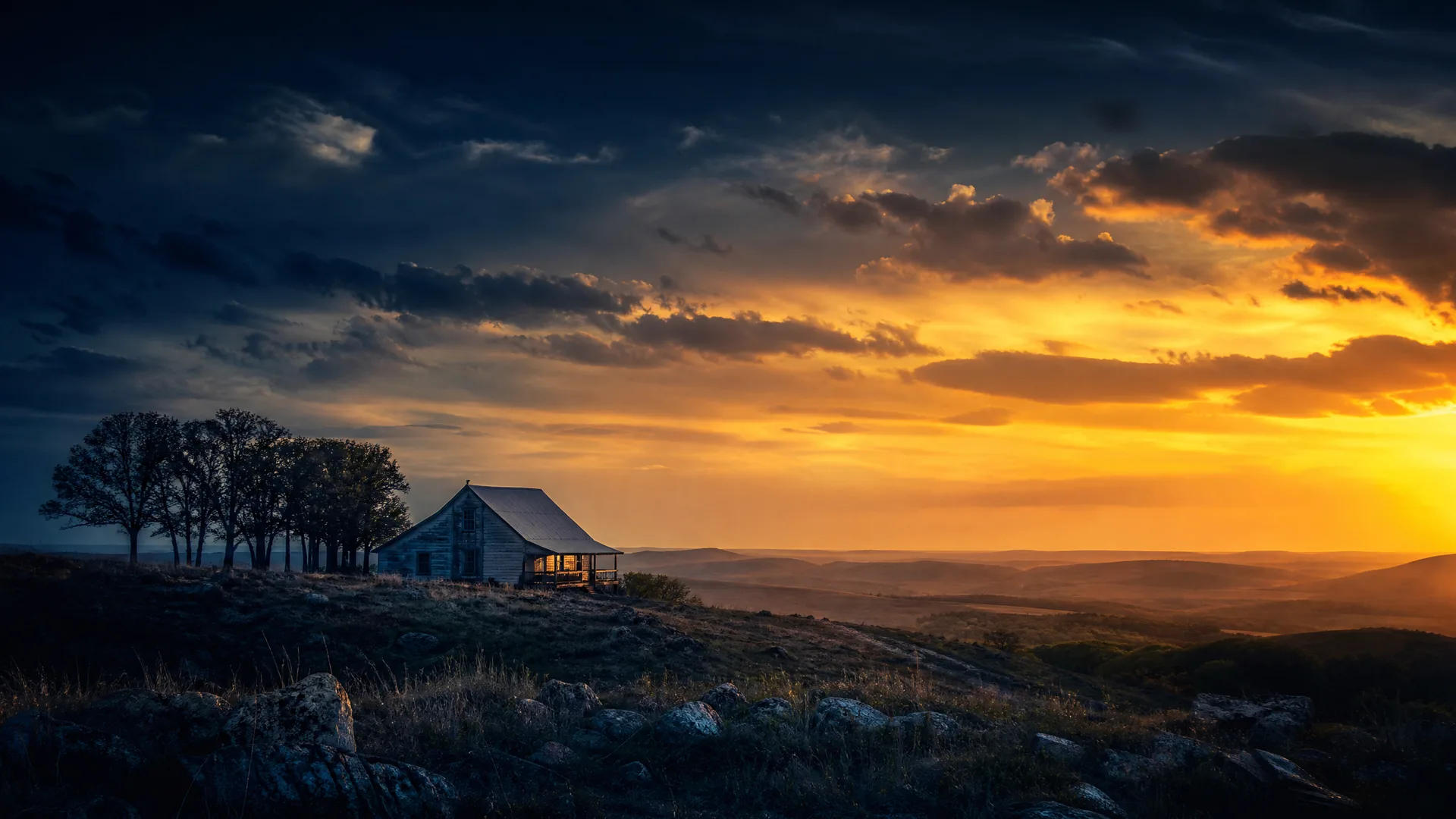
Furnace Repair in Arkansas
Homes in Arkansas need heat for fewer months of the year than in 28 of the other 49 states.
Tell us about the job
Takes about a minute. No obligation.
- 32°Fwinter overnight low where people live
- 7 monthsof heat, October through April
- $15.77 per million Btuwhat homes paid for natural gas in 2024 (Btu means British thermal units, a measure of heat)
- 663winter storms from 2015 to 2024
Arkansas winters don't push a furnace hard seven months of mild nights, not a hard freeze
- Northern counties need about 23% more heat than southern ones
- Winter nights average 32°F where people live
- Heat runs October through April
- 663 winter storms from 2015 to 2024
- Climate zones 3A and 4A across the state
- 24% of homes lost power a day or more in 2024
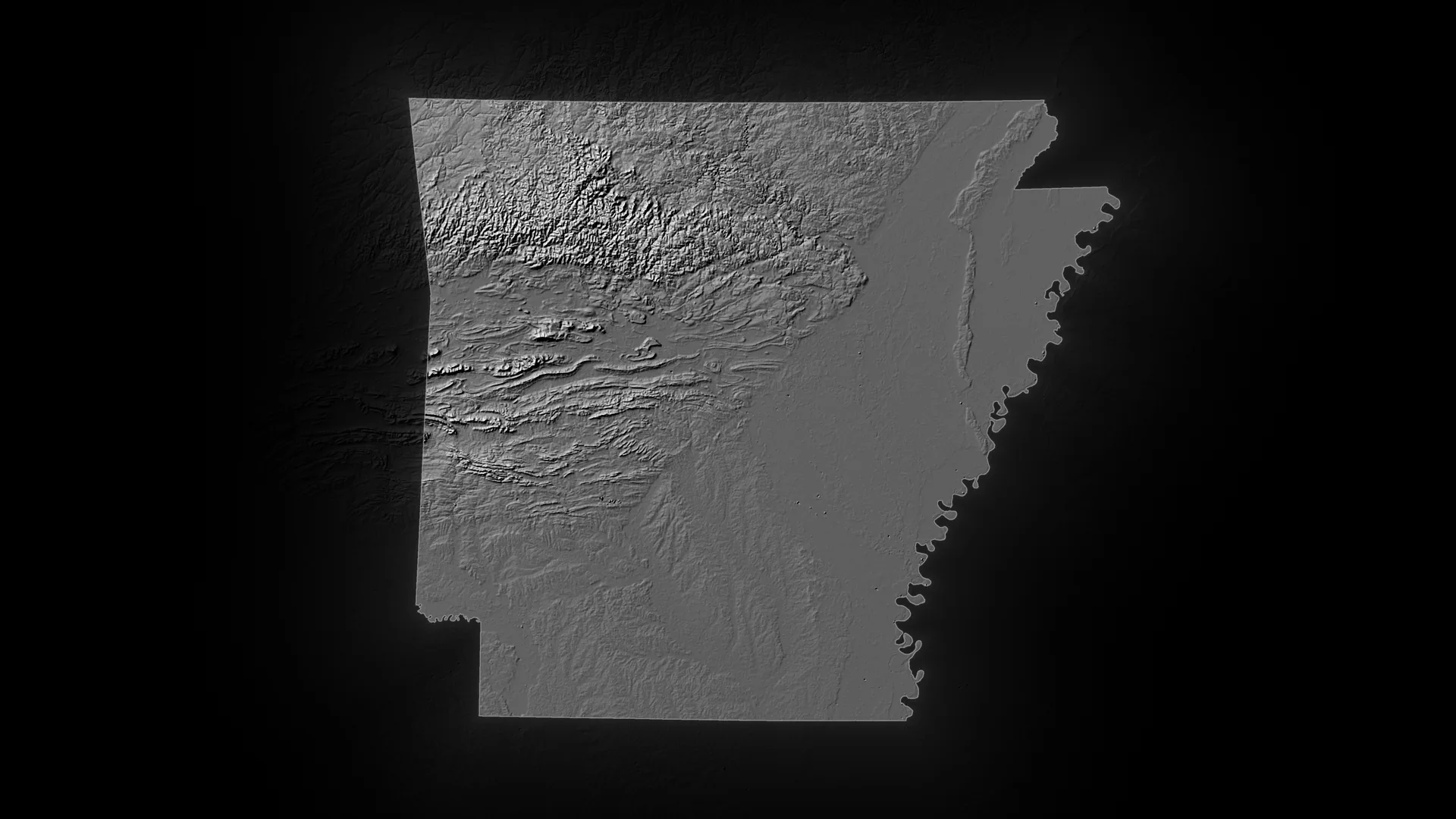
Most Arkansas homes are newer builds, not old houses with aging ductwork
Furnace season in Arkansas runs about seven months, October through April.
Furnaces sitting idle since spring tend to show their weak points in October, so a problem that shows up now is worth getting looked at before the cold settles in.
What to expect from a furnace diagnostic
A straight look at what's wrong before anything gets fixed
A tech starts by asking what you noticed and when, then watches the furnace run through a full cycle instead of guessing from the nameplate. That means checking the igniter glows and lights the burners, the flame sensor holds the gas valve open instead of shutting it back down, and the blower kicks on once the heat exchanger is warm. Pulling the panel gets a look at the burner flames themselves. They should be steady and blue, not yellow or lifting off the burner. A failing igniter or a dirty flame sensor will make the furnace short cycle, lighting and quitting a few seconds later, and that's usually the easiest thing to confirm or rule out. If the furnace runs but the air coming out is lukewarm, the check moves to the blower speed and the filter before anything gets taken apart further. Whatever's found, you should hear what the part does, why it failed, and what happens if it's left alone.
What does a furnace in Arkansas face?
How cold do winter nights get?
32°Faverage overnight low where people live
North Dakota4°F
Hawaii65°F
How many months does the heat run?
7 monthsof heating a year
Hawaii0 months
Alaska12 months
What does natural gas cost?
$15.77per million Btu, what homes paid in 2024
Montana$7.77
Hawaii$53.25
How often do storms hit?
170severe weather events per county from 2015 to 2024
Alaska5
Wyoming1,057
How many homes lost power for a day or more?
24%of homes in 2024
Arizona7%
Maine54%
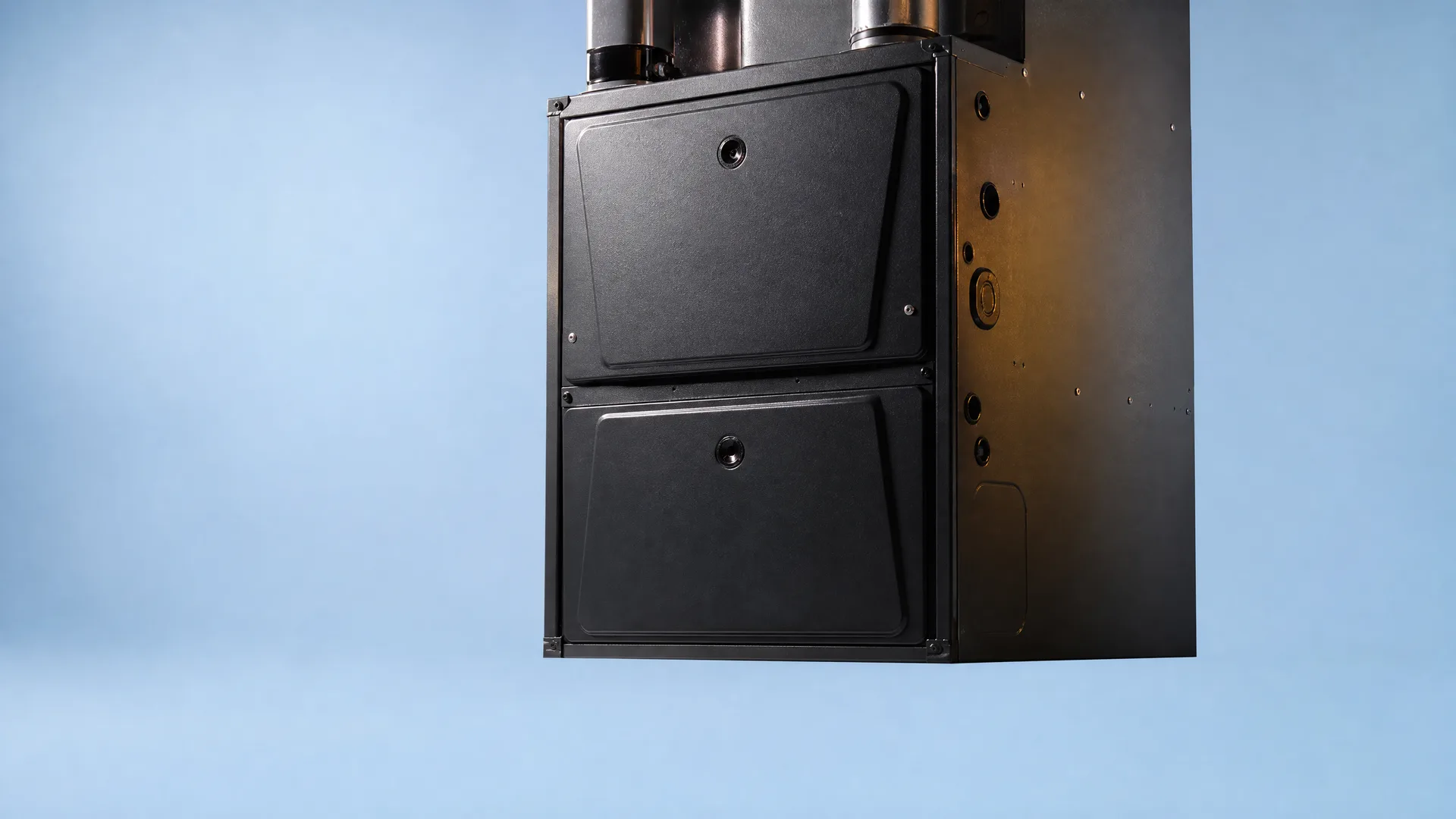
A furnace here is usually worth fixing
A furnace in Arkansas isn't working against hard winters. Overnight lows average 32°F through December, January and February, and the system shuts off for the year come April. That mild load is why a furnace here often has more good years left in it than its run time would suggest, and why a repair usually makes more sense than a replacement. When something does go wrong, it's rarely the machine wearing out from the work. It's an igniter or flame sensor that finally gave out, or a part that sat unused since spring and failed on the first real cold snap.
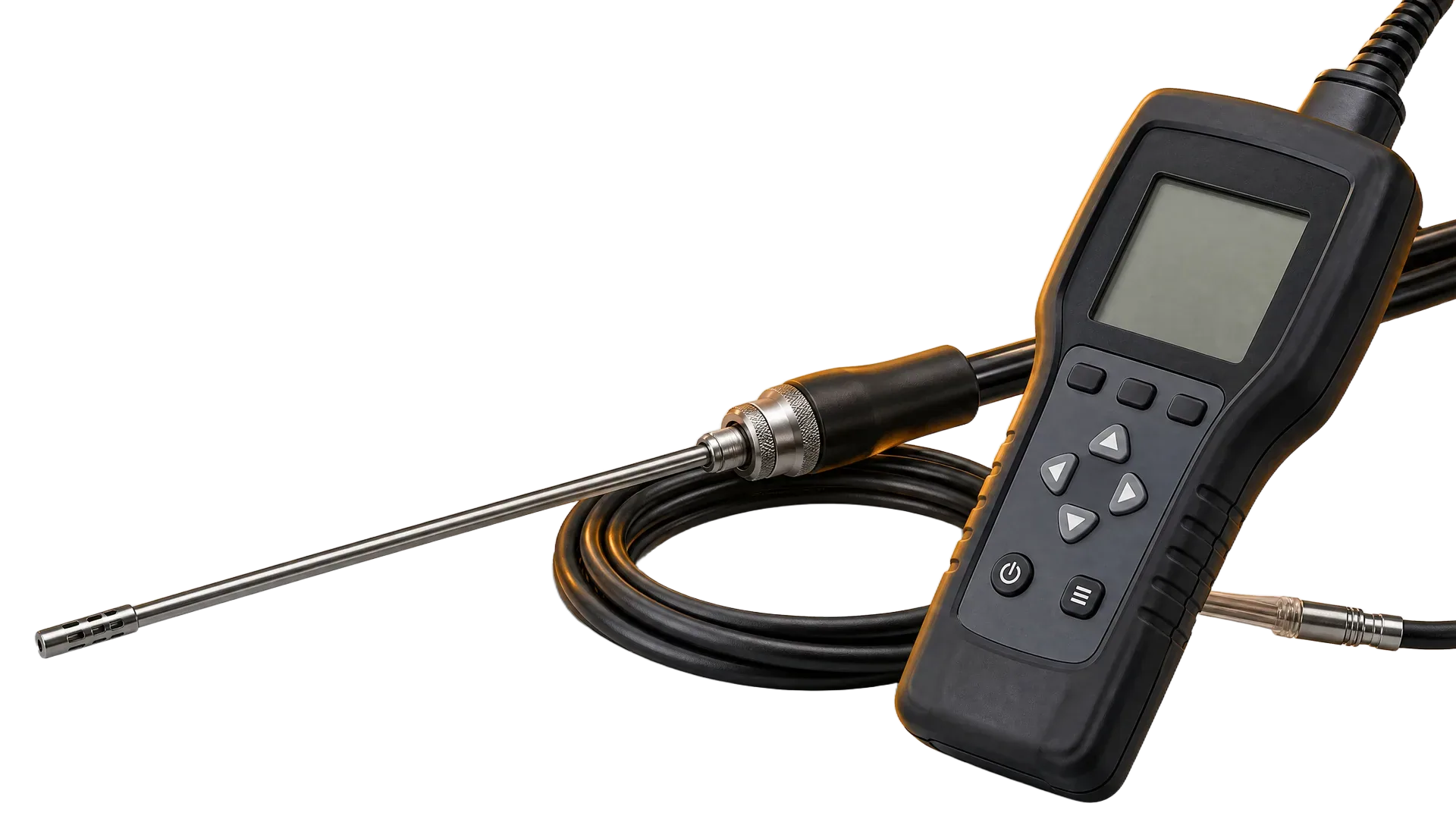
What to check before you call
Before anyone comes out, there are a few things worth checking yourself. First, look at the thermostat. Make sure it's set to heat, not just fan, and that the set temperature is actually above room temperature. Check the batteries if it uses them. Next, find the furnace switch. It looks like a light switch, usually mounted on or near the unit, and it's easy to bump off by accident. Check the breaker too. A furnace that won't start at all is sometimes just a tripped breaker, not a failed part. Pull the filter and hold it up to a light. If you can't see light through it, that's enough to choke off airflow and cause problems that look like bigger issues, from short cycling to weak heat at the vents. If your furnace has a standing pilot, check whether the pilot light is actually lit. If it's gone out, there's usually a relight procedure printed right on the panel inside the furnace. Last, walk around the house and check that supply vents and return grilles aren't blocked by furniture or rugs. None of this fixes an igniter or a cracked heat exchanger, but it rules out the simple stuff before you pay someone to find it.
The parts that actually give out
Most furnace failures trace back to the same handful of parts. The igniter is the most common. It's a thin strip that glows hot enough to light the gas, and that element gets more brittle every time it heats up and cools down, until it cracks and stops glowing. The flame sensor fails a different way. It doesn't break so much as get coated with a film from normal combustion, and once that film builds up, it can't tell the furnace a flame is there, so the gas valve shuts back down a few seconds after startup. Draft inducer motors wear out too, usually the bearings first, and that shows up as a rattle or a whine before it quits outright. None of these parts fail because a furnace is overworked. They fail because they cycle on and off thousands of times a season, and eventually something wears through or coats over. A cracked heat exchanger matters more than the rest, since that's a safety issue rather than a comfort one, and it's why a tech checks that part specifically instead of just getting the furnace running again.
A furnace acting up now in Arkansas is usually a worn part, not a worn-out machine.
Tell us about the job
Takes about a minute. No obligation.
Fill out the form once and a licensed local contractor calls to schedule the diagnostic.