A row of single-story houses, one brick and others with light siding and covered porches, set behind a trimmed green hedge and lawn, under large oak branches draped with Spanish moss.

Furnace Repair in Sheridan, AR

Tell us about the job

Takes about a minute. No obligation.

RepairFurnace or heatingGrant County, AR
Step 1 of 2

What ZIP code is the job in?

Short cycling wears the furnace out faster

A furnace that fires up, runs a few minutes, then shuts off before the house warms up is short cycling. Usually it's a dirty flame sensor, a clogged filter choking airflow, or a cracked heat exchanger tripping a safety switch. Each cycle adds wear to the igniter and blower motor, and the furnace will keep doing it until whatever is tripping the safety switch gets fixed.

A burnt smell on startup is not always normal

Dust burning off the heat exchanger on the first run of the season clears up fast. If the smell lingers past the first hour, or shows up again later after the furnace has been running fine, that points to something else, like a wiring problem or a dirty burner. A smell that doesn't fade on its own is worth having looked at.

5 months
November through March, your furnace is on duty
34°F
the average winter night it heats against
12 winter storms
in ten years, the nights a failure hurts most
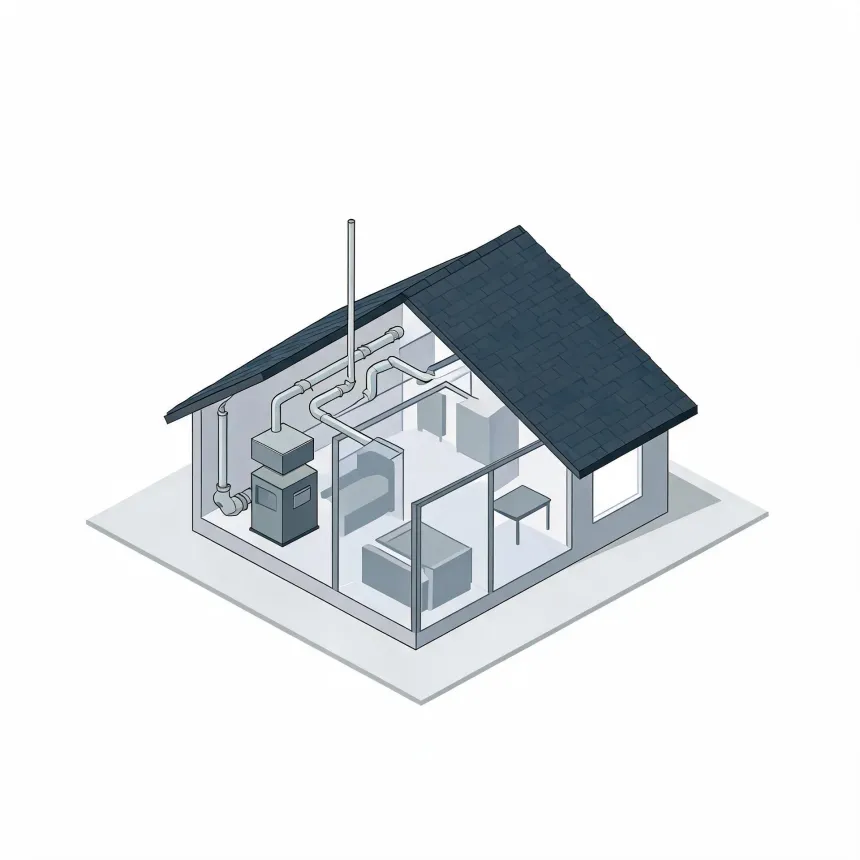
Isometric cutaway illustration of a small house with a dark shingled roof, showing an interior furnace unit, ductwork, and a flue pipe extending through the roof.
Your furnace works hardest from November through March.

NOAA nClimDiv, 1991–2020 normals

Furnaces in Grant County only run about five months a year, November through March.

A furnace that sits idle most of the year and starts acting up is more likely dealing with a fixable problem than giving out from age.

Grant County doesn't put a furnace through much

67 severe weather events from 2015 to 2024
24% of homes statewide lost power a day or more in 2024
34 damaging wind events from 2015 to 2024

Half the homes in Grant County were built in 1991 or later

A furnace that came with a newer house usually has years left in it. Half the homes in Grant County were built in 1991 or later, so if yours is one of them, a repair is likely to hold up well.

Find a contractor
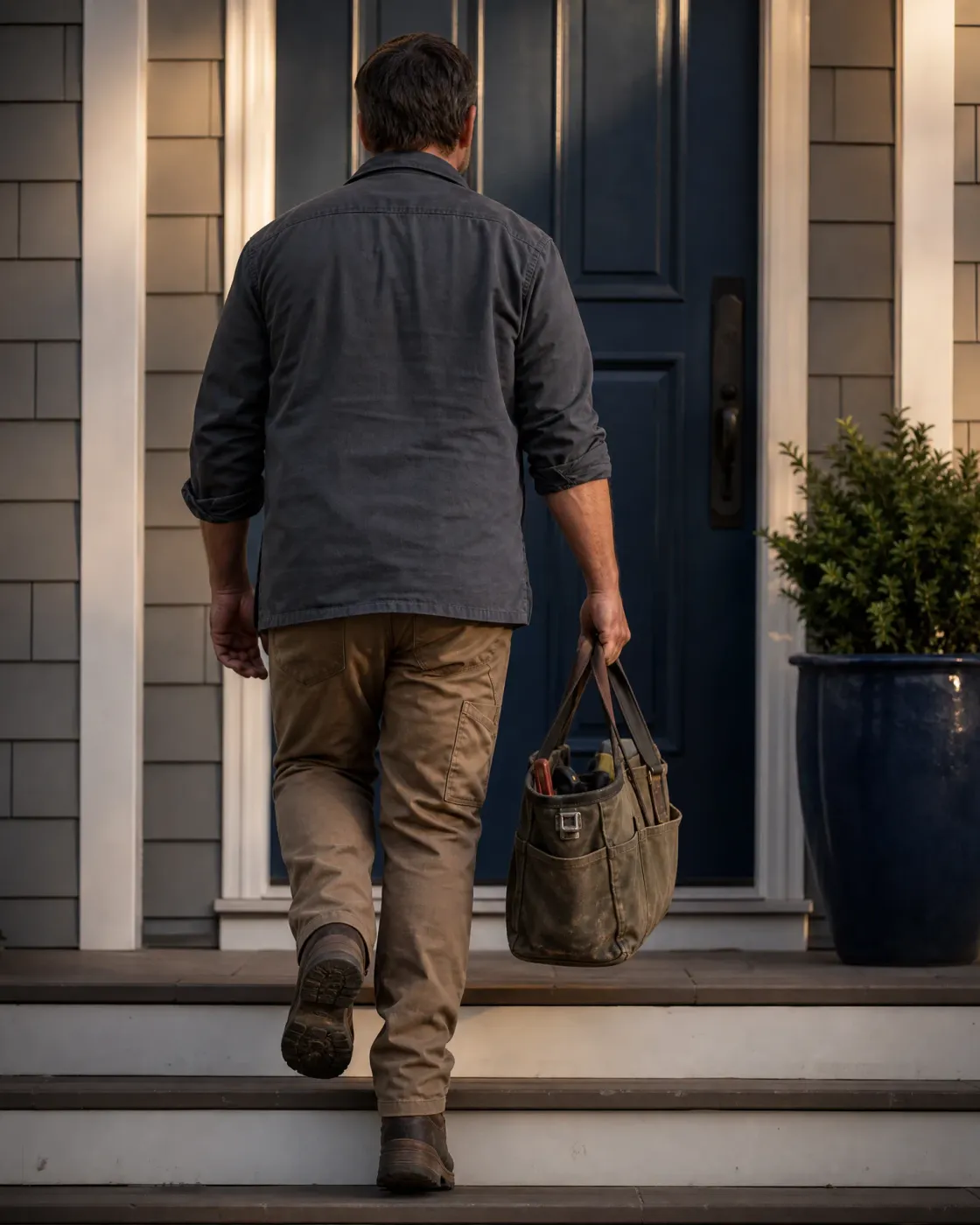
A man in a gray shirt and tan work pants, seen from behind, climbs porch steps toward a dark blue front door while carrying a canvas tool bag, with a potted shrub to the right.
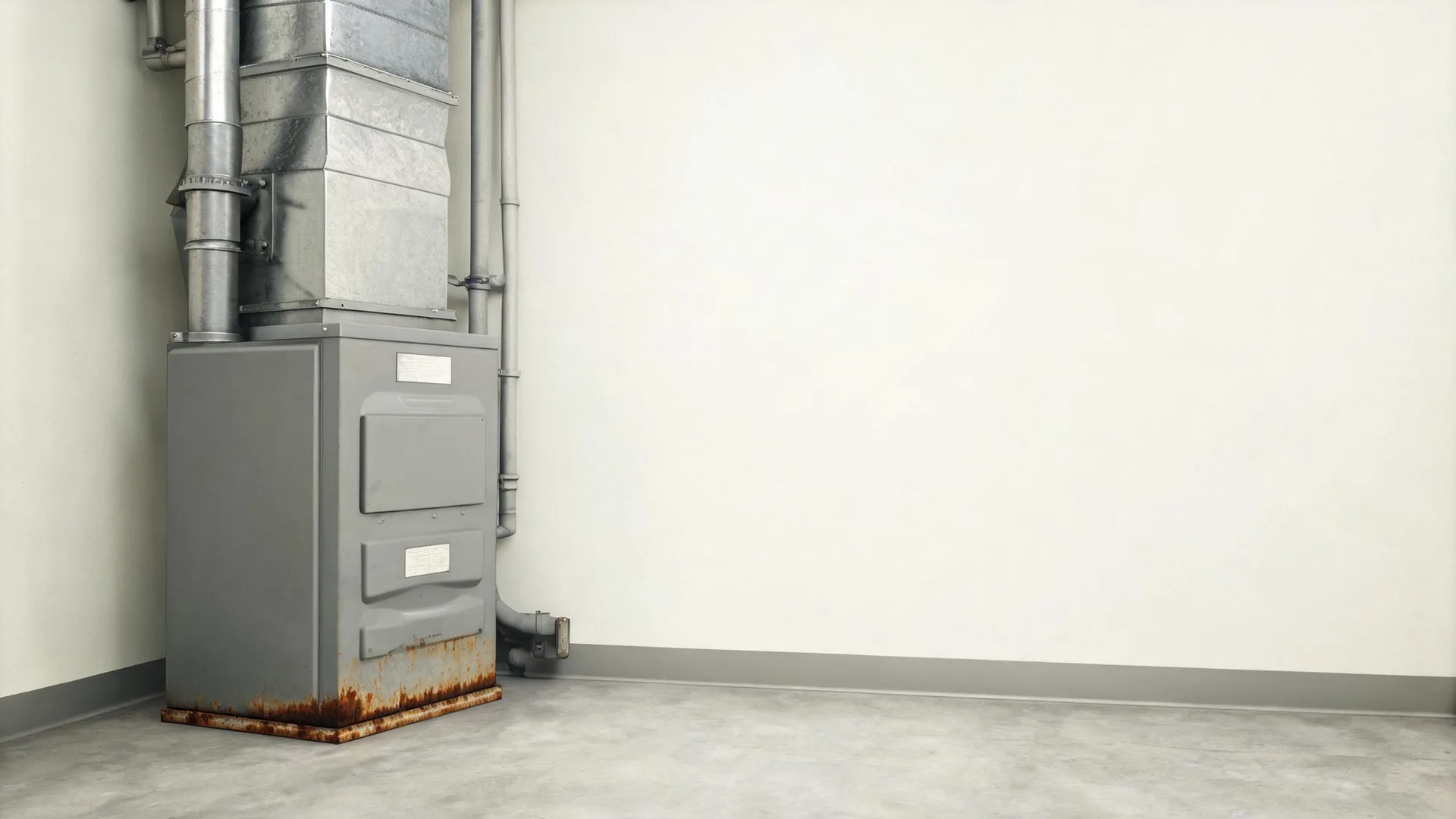
A gray residential gas furnace installed in an unfinished basement, connected to sheet-metal ductwork and PVC pipes.

Running through a problem usually makes it bigger

A furnace that's struggling doesn't fix itself by staying on. If the flame sensor is dirty, the furnace will keep shutting down mid-cycle instead of burning clean, and every one of those short cycles puts another load on the igniter and the blower motor. If a crack has started in the heat exchanger, running the furnace keeps flexing that metal with every heat cycle, and a small crack doesn't stay small. A clogged filter forces the blower to work harder to push air through, and that strain lands on the motor. None of these get better with more runtime. The furnace either keeps tripping its safety switch and shutting down on its own, or it keeps running in a way that wears out a part that was still fine a month ago.

Most failures start with airflow or ignition, not age

A furnace that won't light, won't stay lit, or blows cold air is usually dealing with a dirty flame sensor, a worn igniter, or a filter so clogged the blower can't move enough air. These parts wear out from normal use and get swapped out on their own. None of it means the furnace itself is done.

A cracked heat exchanger is the one that ends a furnace

The heat exchanger is the metal chamber that heats the air passing through, and it expands and contracts every time the furnace cycles on and off. Years of that flexing can open a crack, and once it cracks, it's a safety problem, not a wear item to replace. That's the failure that usually means a new furnace instead of a repair.

Before calling anyone, check the thermostat is set to heat and the setting is actually above room temperature, not just on. Go to the furnace and check the filter by holding it up to a light. If barely any light gets through, replace it, since a clogged filter chokes airflow and can shut the whole system down. Check that the switch on or near the furnace, the one that looks like a light switch, is flipped on, since it's easy to bump off during other work. If the furnace has a pilot light, check whether it's lit. If it's an electronic ignition furnace, check the breaker box for a tripped breaker. None of this is risky, and it clears up a surprising number of no-heat calls before they need a tech at all.

A diagnostic starts with the thermostat and the return air, not the burners. The tech checks the filter and airflow first, since weak airflow is behind a lot of the symptoms that look like something worse. From there it's the flame sensor and igniter, pulled and checked, since a dirty sensor can mimic an ignition failure and send someone down the wrong path. The furnace gets run through a full cycle while the tech watches it start, fire, and shut down, because some problems only show up partway through. If the symptoms point that way, the heat exchanger gets inspected for cracks, since that's the one finding that changes the whole conversation. Only after all that does the tech say what's actually wrong and what it takes to fix it.