Running the way it should
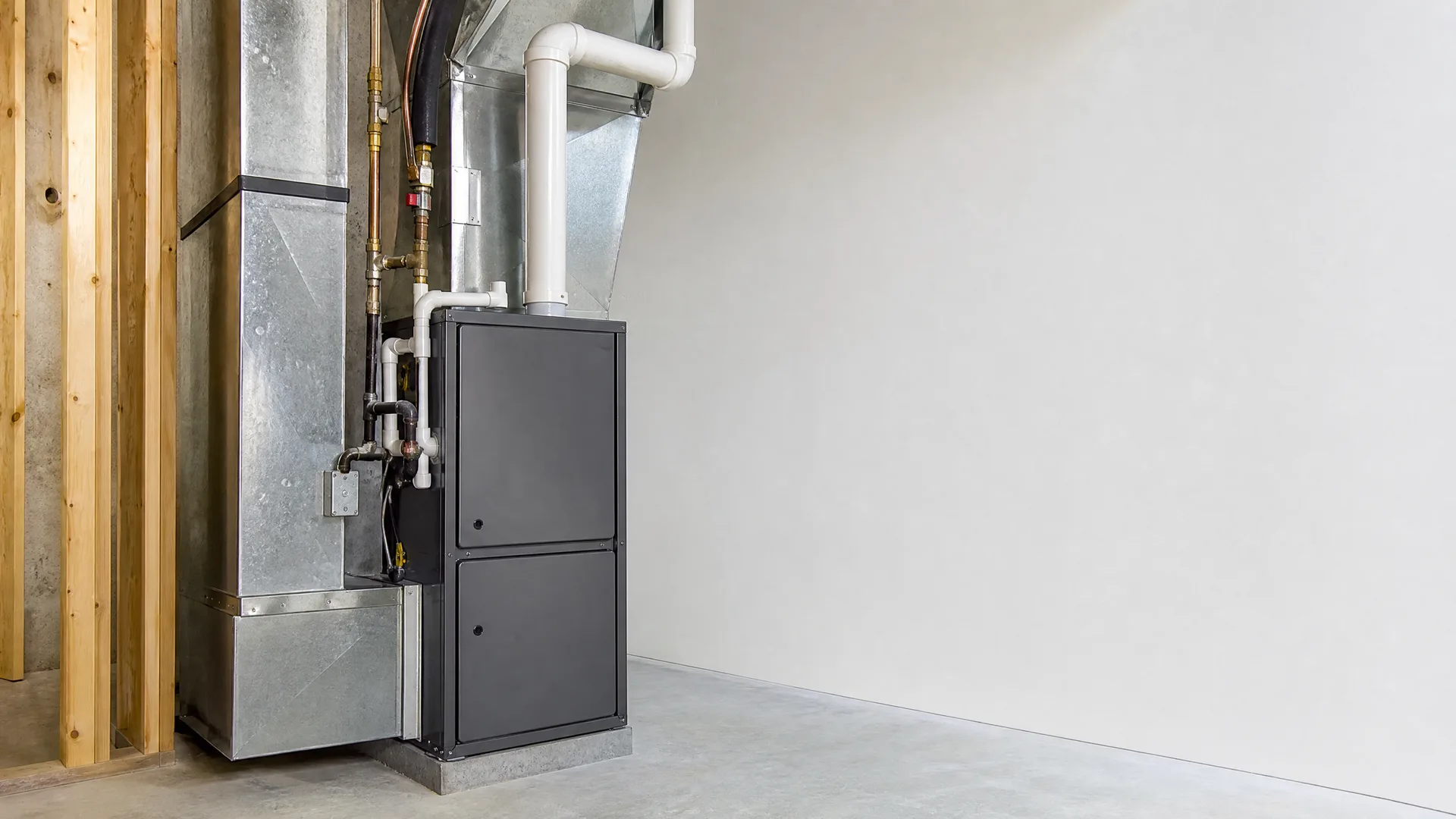
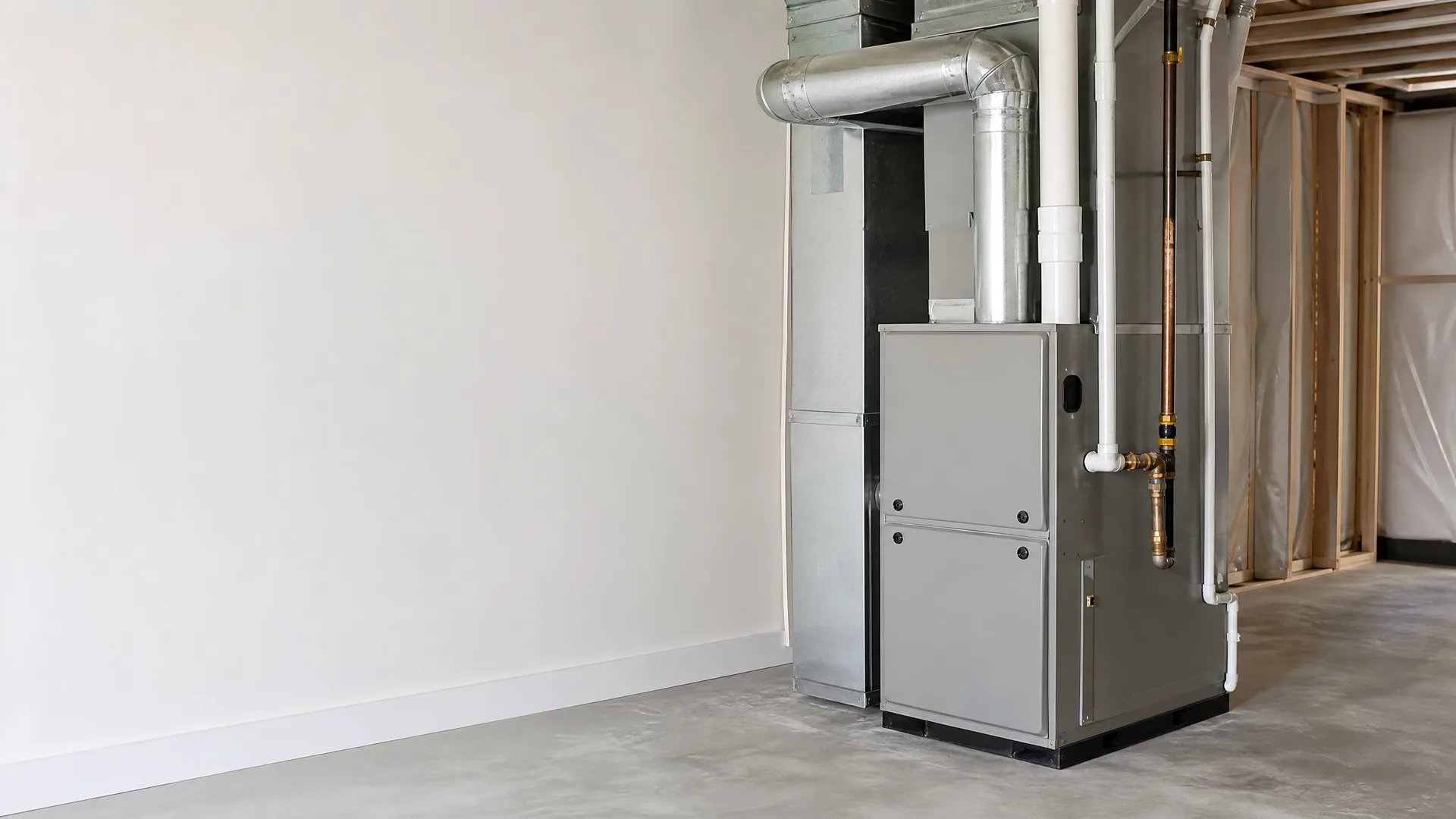
Warm air at the vents, steady and even, room to room. The burners light, the blower pushes heat through the ducts, and the flue carries the exhaust out through the PVC pipe. Nothing to check on, nothing to listen for.
 I'm done searching
One request and the search for a pro is handled.
The furnace kicks on, you hear it running, and the air coming out of the vents is cold instead of warm. In White County, with winter outside, that's not something to live with for a few days while you figure out who to call.
A furnace blowing cold air can mean a few different things. The igniter might not be lighting the burners. The flame sensor might be dirty and shutting the system down before it ever gets hot. The thermostat fan setting might be stuck on "on" instead of "auto", which pushes air through the ducts even when the burners aren't firing. Some of these a homeowner can check in a few minutes. Others need a licensed contractor with the right tools and the parts on hand.
Most homes around Searcy heat with electricity, and power here is cheap, so a furnace that's working right shouldn't be costing you much to run. One that's cycling without actually heating is a different problem, and it's worth having someone look at it before it gets colder or the system stops running altogether.
Searching for a contractor, calling a few, explaining the same problem to each one, and then trying to compare quotes takes time you'd rather spend with a warm house. Send the form on this page and that part of it is off your plate. You won't be the one tracking down who's available, who answers the phone, or who can actually come look at a cold-air furnace in White County. That search ends here, and someone licensed to do the work takes it from there.
Your furnace is running, but what's coming out of the vents is cold, not warm. In White County with winter weather outside, that's a furnace not doing the one job it has. The cause usually comes down to one of a few things, and some of them point to a problem that gets worse the longer the furnace keeps running this way.
Most electric furnaces here heat with resistance coils or a heat pump setup, and when the air stays cold, the heating element or the burners aren't firing even though the blower is. A dirty flame sensor or a cracked igniter will stop ignition while the fan keeps pushing air through. Sometimes it's simpler: the thermostat fan is set to "on" instead of "auto", so the blower runs constantly and only feels cold between heating cycles. Either way, a furnace that runs without heating isn't resting, it's working toward a bigger failure. With winter temperatures outside, that's not something to leave for later in the week.

Warm air at the vents, steady and even, room to room. The burners light, the blower pushes heat through the ducts, and the flue carries the exhaust out through the PVC pipe. Nothing to check on, nothing to listen for.

The blower is on, you can hear it, but the air coming out is cold. That points to the burners not lighting, a flame that won't hold, or a part that shuts the system down before it ever makes heat. The furnace is working. It just isn't warming anything.
You've probably already checked the thermostat twice. The blower is running, you can hear it, but the air at the vent is cold enough to feel on your hand. Maybe it ran warm for a few minutes and then turned cold. Maybe you smell something faint when it kicks on, or you notice the flame through the window looks different than usual, or it won't stay lit at all. With temperatures outside dropping, a furnace that won't hold a flame or heat properly isn't just uncomfortable. Left alone, a furnace that keeps trying to light and failing can trip its own safety switches, and a cracked heat exchanger or gas smell is not something to wait out.

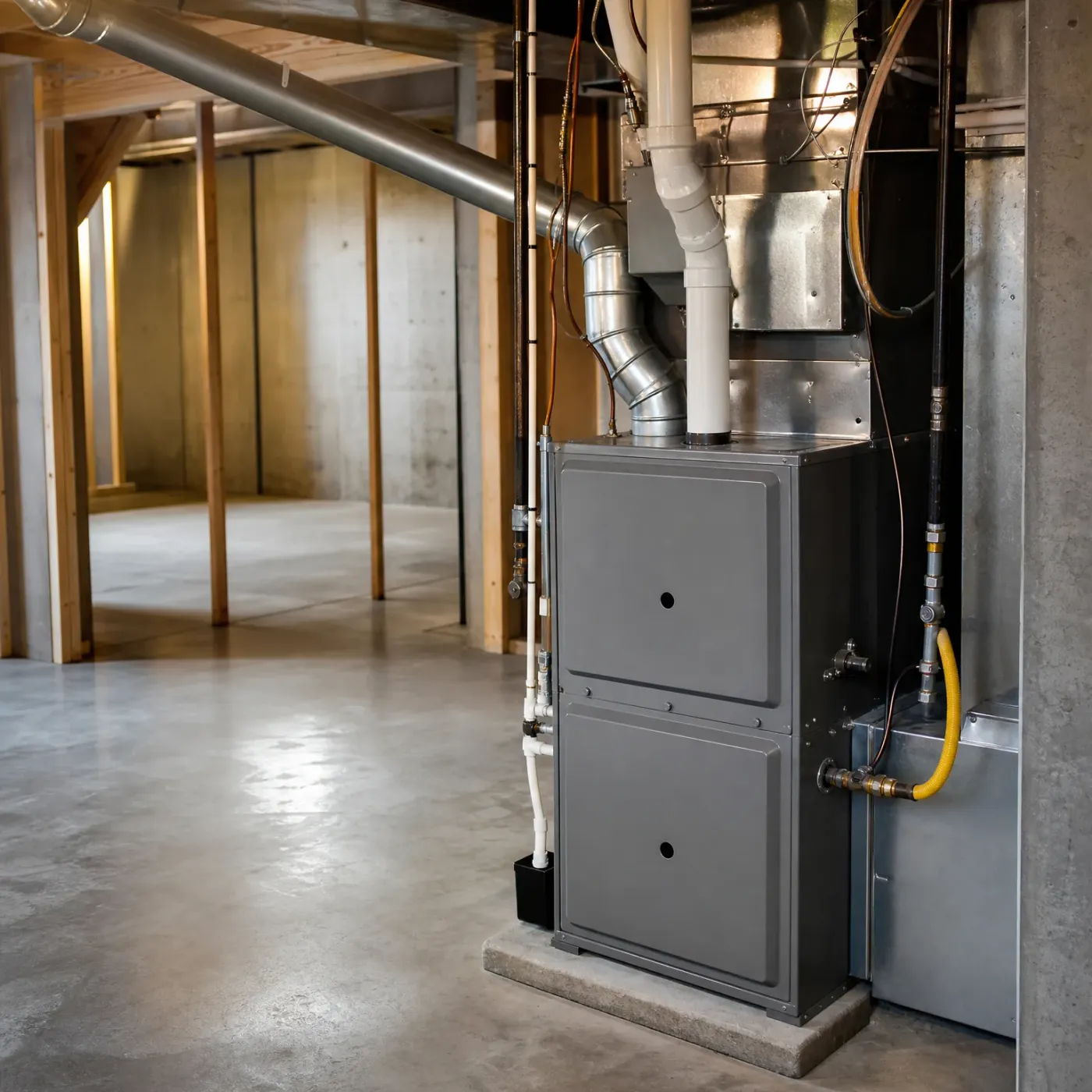
Sheet-metal ductwork carries warm air out to every room, and the PVC drain line clears condensate as it forms. The condensate pump keeps that water moving out instead of backing up. Flex ducts along the ceiling feed each run without strain on the system.

Copper and black iron gas lines feed an older unit, with a round metal flue carrying exhaust up through the chimney. Light grime on the cabinet and panels that have seen years of service don't stop a furnace from running, but they're worth a look when the air turns cold instead of warm.




Explain the job once and skip repeating it on every call.
Send it once and finding someone is no longer on you.
Asking costs nothing, and the choice to hire stays yours.
Winter nights average 33°F
Winter nights average 33°F here. If your furnace is only blowing cold air, that's the temperature working against you, not room temperature.
Heat runs November through April
Heat runs November through April in White County. A furnace blowing cold air in that stretch isn't a one-night problem to sleep on.
63.8% of homes heat with electricity
63.8% of homes in White County heat with electricity. Most furnaces here are electric, so the fix is usually the blower or the heat strips, not a gas valve or burner.
NOAA nClimDiv 1991-2020 · ACS 2020-2024
A furnace that's actually heating uses gas to warm the air before the blower ever turns on, so warm air follows within a minute of startup. Cold air the whole time the blower runs means that step never happened.
That points to the igniter, the gas valve, or the flame sensor, not the blower itself. The blower is doing its job moving air. It just has nothing warm to move.


The blower and the burners are run by separate controls, and when something stops the burners, nobody tells the blower to stop too. That's why you get cold air instead of silence. If the thermostat fan setting is on "on" rather than "auto," the blower runs nonstop, including the stretches between heat cycles when no flame is lit. If the burners did light, the limit switch can still cut the gas valve if the heat exchanger runs too hot, and the blower keeps pushing air that's no longer being heated. A dirty flame sensor causes a similar result from the other direction: the burners fire, the sensor fails to confirm it, and the gas valve shuts within seconds. Other failures stop the burners before they ever start. A weak inducer motor can't move enough air to satisfy the pressure switch, so ignition never gets the go-ahead. A cracked igniter may glow without reaching the temperature needed to light gas. And if the gas supply itself is interrupted, at the shutoff valve or an empty propane tank, the burners stay dark while the blower runs on its usual schedule.


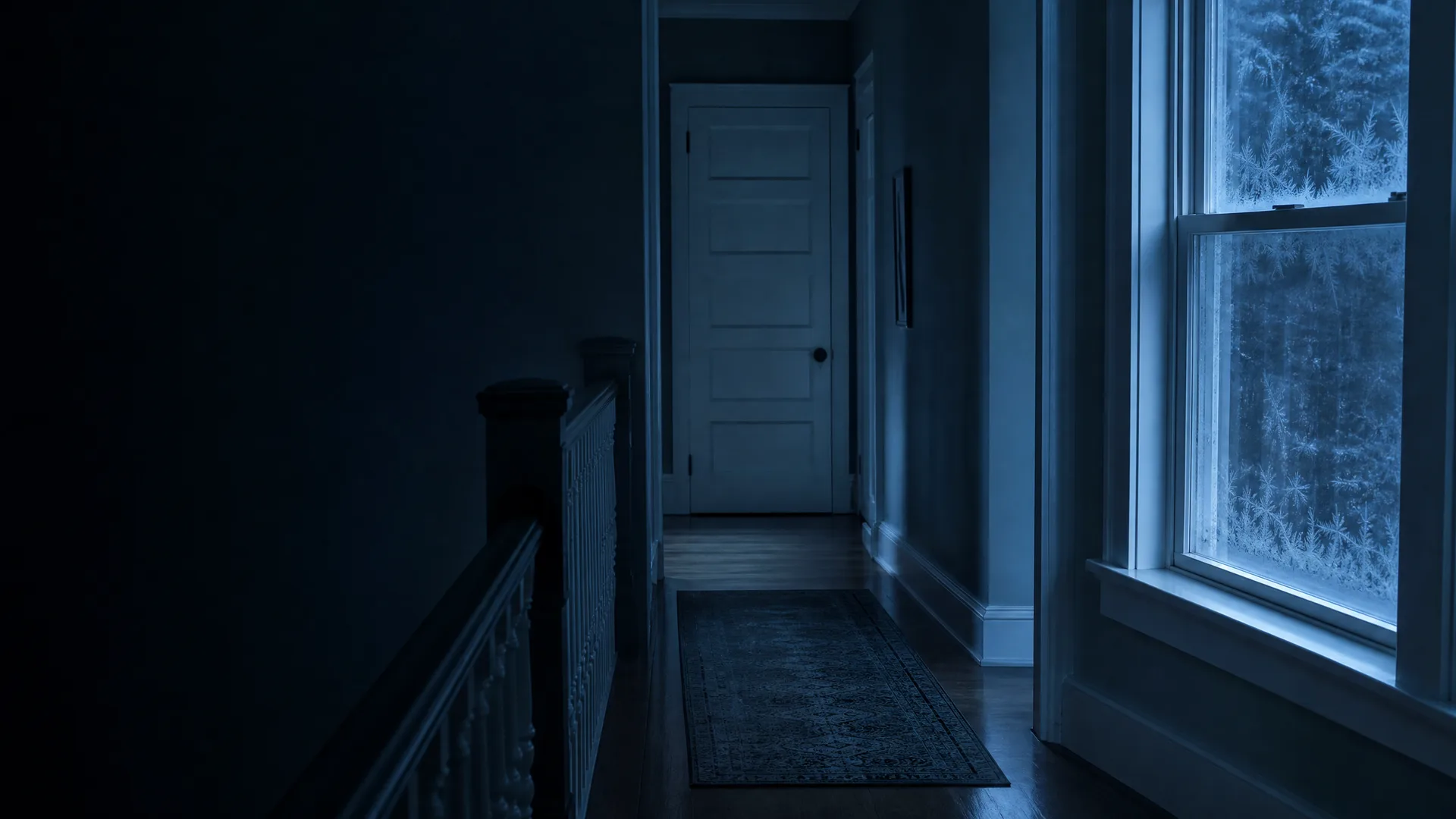
It's two in the morning and the house is too quiet. You're standing in the upstairs hallway in your socks, and the vent under the window isn't putting out anything warm. Frost has crept up the edges of the glass, and the light coming through is that flat blue that only shows up this late in January. The furnace is running, you can hear the blower somewhere below you, but the air sitting in the hallway is just cold. You hold your hand over the vent to check again. Nothing has changed. Outside, White County is deep in the middle of a winter night, and inside isn't much better right now.
At 33°F overnight, a house with no heat cools fast, and pipes along outside walls start to be a real risk within hours. A furnace blowing cold air isn't buying you any time against that.
NOAA nClimDiv 1991-2020
You turn the thermostat up and down a few times, hoping the next cycle fixes itself. It doesn't. You're still searching for someone licensed in White County who answers the phone this late, reading reviews, calling a number that goes to voicemail. Meanwhile the house keeps losing ground to a 33°F night outside, and whoever you do reach still has to ask what it's doing before they can even guess what's wrong.
You send one form instead of making five calls. A contractor who works on furnaces in Searcy gets your information and what the furnace is doing, and calling around stops being something you have to do tonight. You still have a cold house and a furnace that needs a look, but you're not also the one tracking down who's available and explaining the cold air problem over and over to find out.
A furnace blowing cold air instead of warm comes down to the igniter, the gas valve, a flame sensor, or a limit switch that's cutting the burners off while the blower keeps running. Whatever the exact cause, the fix is the same: someone licensed needs to open the panels and test it. At 33°F overnight in White County, that's not a wait-and-see problem. You could spend the next hour searching for a contractor in Searcy who's still answering calls, reading reviews, getting a number that rings through to voicemail, then starting over with the next name on the list. Or you could send one form and let someone else carry that part. You still have a furnace to fix, and nobody can tell you that part will be quick or cheap. But finding the person to fix it, the calling around, the explaining what's wrong more than once, the sorting through quotes, that part is off your plate the moment you hit send. You're left with warm air coming back, not another night of checking the thermostat and hoping.

Skip searching for a furnace pro and answer a few questions instead.