
Furnace Installation in Arkansas
Homes in Arkansas need heat for fewer months of the year than in 28 of the other 49 states.
Tell us about the job
Takes about a minute. No obligation.
- 32°Fwinter overnight low where people live
- 7 monthsof heat, October through April
- $15.77 per million Btuwhat homes paid for natural gas in 2024 (Btu means British thermal units, a measure of heat)
- 663winter storms from 2015 to 2024
What does a furnace in Arkansas face?
How cold do winter nights get?
32°Faverage overnight low where people live
North Dakota4°F
Hawaii65°F
How many months does the heat run?
7 monthsof heating a year
Hawaii0 months
Alaska12 months
What does natural gas cost?
$15.77per million Btu, what homes paid in 2024
Montana$7.77
Hawaii$53.25
How often do storms hit?
170severe weather events per county from 2015 to 2024
Alaska5
Wyoming1,057
How many homes lost power for a day or more?
24%of homes in 2024
Arizona7%
Maine54%
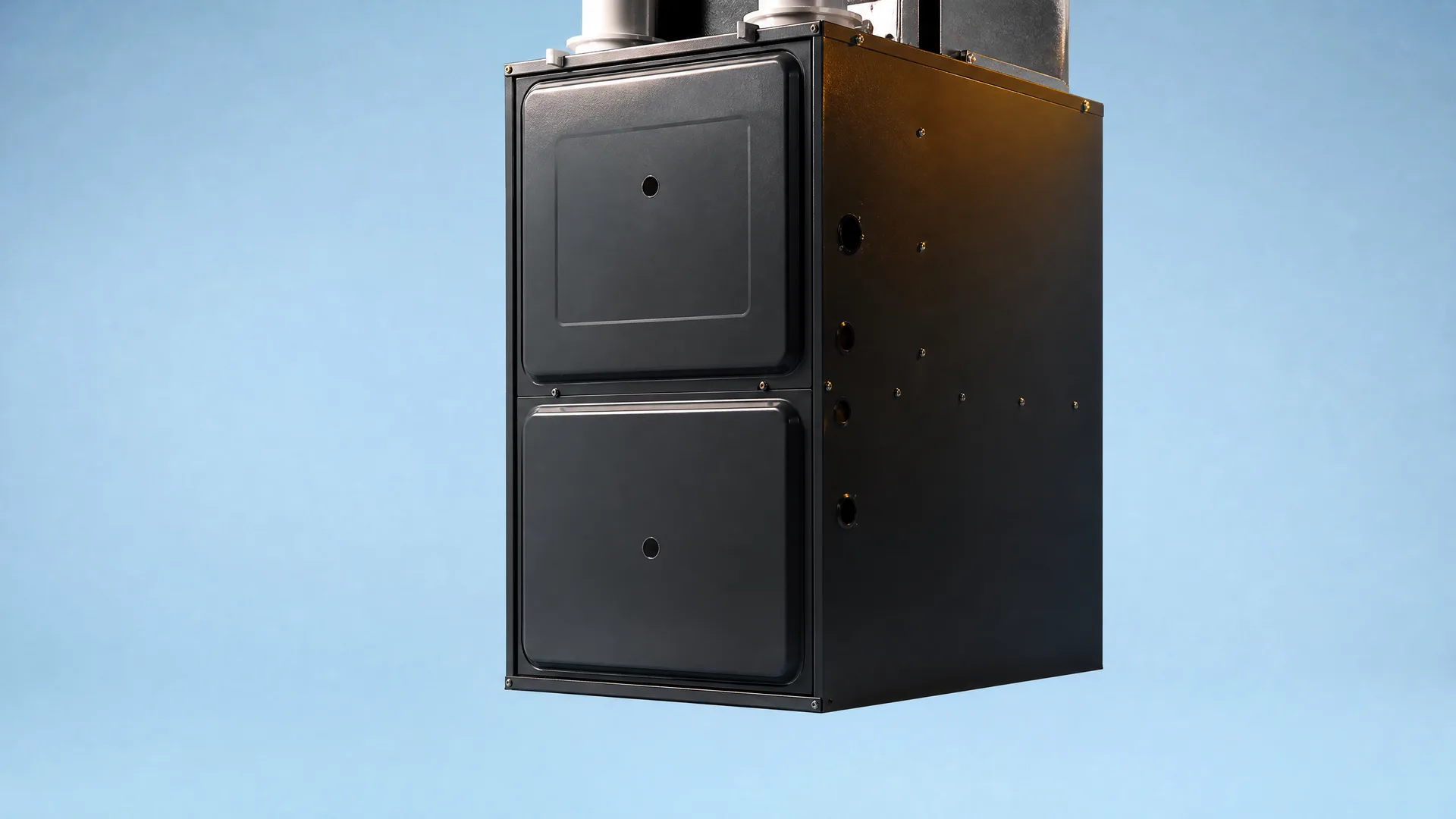
A furnace built for Arkansas winters
A furnace here runs about seven months a year, October through April. Overnight lows average around 32°F through December, January and February, milder than most of the country sees. Ice and winter storms are the bigger risk to plan for, not long stretches of deep cold. Because the system isn't pushed hard here, a reliable furnace that's sized right for your house will hold up fine. You don't need the highest-efficiency model to get good performance. What matters more is matching the unit to your home and getting the install done right, with good airflow and ducts that are sealed and sized to carry the heat.
What happens to the furnace you're replacing
Taking out the old furnace is part of the job, not an extra step tacked on. The installer disconnects the gas line and the vent pipe, pulls the old unit out, and checks what it leaves behind. If the new furnace is a different size or efficiency type, the ductwork or venting connected to it may need to change too, since a unit that vents differently than the old one can't just reuse the same pipe. The old furnace itself gets hauled away and recycled for the metal and copper inside it. If the furnace shares a flue with a water heater, the installer has to check that the water heater can still vent properly once the furnace is gone, since the old flue was sized for both appliances running together.
What drives the price of the install
The unit is only part of what you're paying for
Size matters more than most people think. A furnace too big for the house cycles on and off fast, which wears parts sooner and leaves rooms uneven. One sized right runs longer, steadier stretches and heats more evenly. Getting that right means the installer has to work out the heat loss for your house, not just swap in something close to the old one. Ductwork factors in too. If the supply and return ducts are too small or leaky, a new furnace has to fight them no matter how good it is, so sealing and sizing the ducts is part of a proper install, not an upgrade someone tries to sell you. Venting adds work as well, especially moving from an older furnace to one that vents differently than the one it replaces. That can mean new pipe, not just a reconnect. Permits and inspection are part of the job, and a furnace installed without one can cause problems later with insurance or when you sell the house. The thermostat, the wiring to it, and whether the gas line and electrical hookup already match the new unit all factor into what the job actually takes.
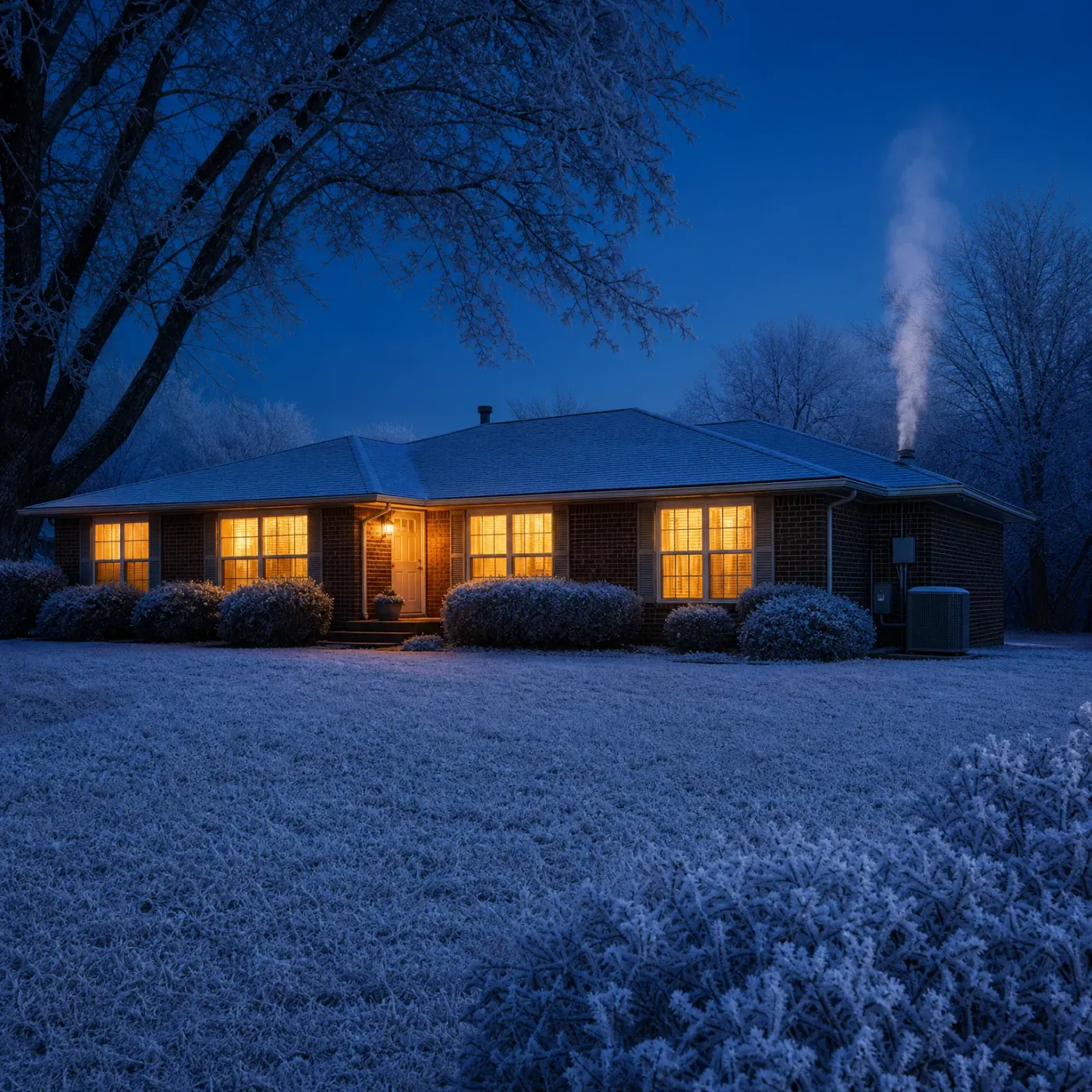
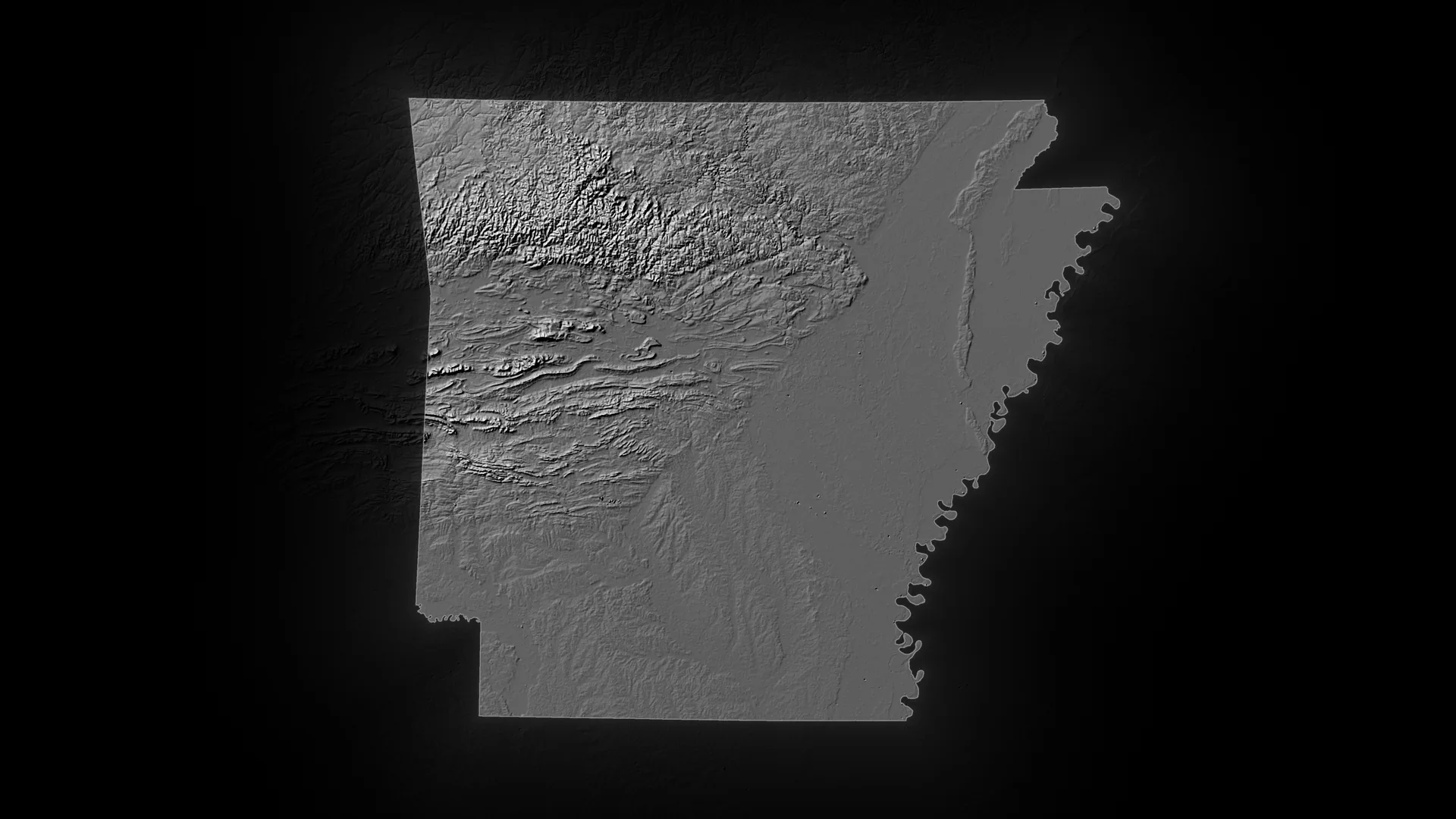
Arkansas splits between north and south more than the state's size suggests. Homes in the northern counties need about 23% more heat over a year than homes in the southern counties, and they run that heat longer too, about 7 months against 5.
Benton County, up in the northwest corner, needs heat the longest of anywhere in the state, about 7 months a year. Pulaski County needs it for about 5. That's the same north-south split showing up again, and it matters for how hard a furnace works over its lifespan in one place versus the other.
The heat load itself varies even more than the season length does. Madison County needs about 65% more heat over a year than Miller County, which has the lowest heating need in the state. A furnace sized right for one wouldn't make sense in the other.
Cold nights follow the same divide. Marion County's winter lows average 28°F across December, January and February. Chicot County, milder, averages 37°F those same months.
What Arkansas deals with more than deep cold is ice and winter storms, 663 of them logged across the state between 2015 and 2024. That's a different kind of stress on a furnace and its venting than sustained cold, and worth asking an installer about directly.
None of this means the same furnace fits every house in the state. A system built for Benton County's longer winters and colder nights is more than a home near Pulaski County or Chicot County needs. Getting the sizing right depends on where in Arkansas the house sits, not just the fact that it's in Arkansas.
Electricity here runs cheaper than most so fit matters more than efficiency
- Northern counties need about 23% more heat than southern ones
- Winter nights average 32°F where people live
- Heat runs October through April
- 663 winter storms from 2015 to 2024
- Climate zones 3A and 4A across the state
- 24% of homes lost power a day or more in 2024
What the housing stock here means for the job
Half the homes in Arkansas were built in 1987 or earlier, and homes here overall are newer than in most of the country. Most of the housing stock is standard detached or attached single-family houses. Mobile homes make up a smaller share, and those need a different kind of system and venting than a standard house takes, so that's worth knowing before an installer looks at the job. Outside of that, there isn't much about the housing stock itself that calls for anything unusual. A furnace sized to the house and installed with good ductwork is what the job comes down to, same as it would in most states.
What the efficiency number actually buys you
The number on the label tells you how much of the fuel it burns turns into heat for the house, and how much goes out the flue. A furnace with a higher rating wastes less, but it also costs more to build, so the higher the rating, the more you're paying up front for savings on the gas bill down the road. Whether that trade pays off depends on how many months a year the furnace is actually running and how often it's firing on the coldest nights. A furnace that runs hard most of the year earns back that higher upfront cost faster than one that only kicks on a few months and spends the rest of the year idle. The rating also isn't the only thing that decides what you spend to heat the house. A high-efficiency unit stuck with leaky ducts or wrong sizing still loses heat before it ever reaches a room. And efficiency rating has nothing to do with how much heat the furnace puts out. A unit can be rated high and still be too small or too big for the house, and getting that match right matters more for comfort and wear than chasing the top number on the label.
Furnace replacement goes easier when it isn't an emergency. Heat here doesn't start until October, so September is when to get a new furnace in. That gives the installer time to work out the sizing properly, order the right unit, and deal with any duct or venting changes without you going without heat while it happens.
Wait until the old furnace quits mid-winter and you're stuck taking whatever can be installed fastest, on whatever schedule the installer has open during their busiest stretch. Arkansas winters run about seven months, October through April, milder than most of the country sees but long enough that a breakdown in the middle of them is no small thing. There's no reason to gamble on that when the slow season is sitting right before it.
More than half of Arkansas homes heat with electricity, and your replacement furnace should match what your house already has.
Tell us about the job
Takes about a minute. No obligation.
Fill out the form once and a licensed Arkansas installer will size the job to your house before quoting it.