





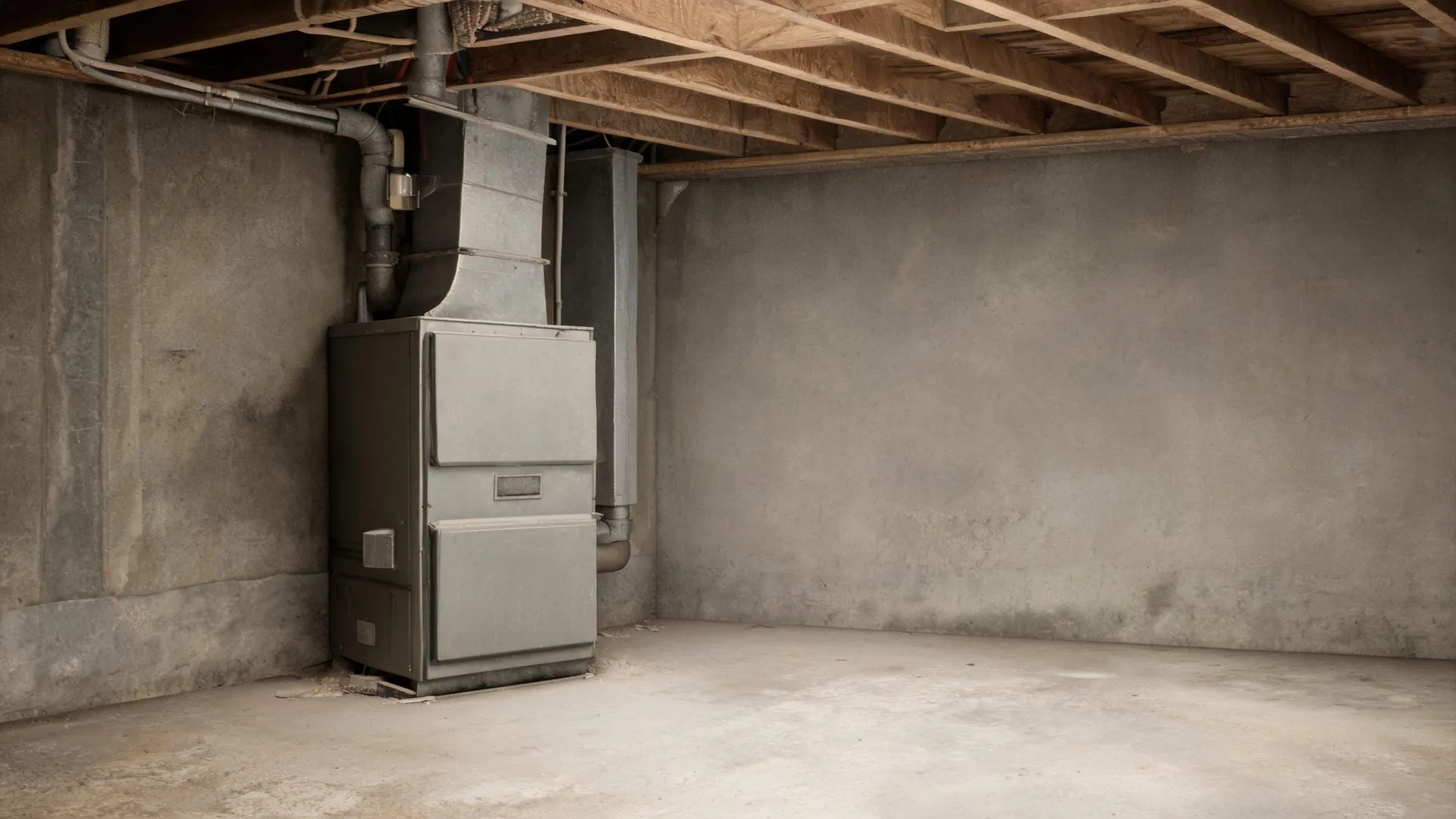
A gray forced-air furnace with sheet-metal ductwork stands in an unfinished basement with exposed wooden joists, concrete walls, and a hanging incandescent bulb.

Furnace Installation in Arkadelphia, AR

Tell us about the job

Takes about a minute. No obligation.

New system or replacementFurnace or heatingClark County, AR
Step 1 of 2

What ZIP code is the job in?

Electricity heats 60.3 percent of homes in Clark County, more than any other fuel. Gas comes in second at 28.6 percent, with a small slice of homes on bottled or LP gas. If your home is one of the electric majority, an electric furnace is the straightforward choice, matching what's already set up to run it. Homes on gas service can stay on gas the same way. Either way, a furnace installed to replace the same fuel type means no new gas line and no new electrical circuit to add, just a swap of the unit itself.

5 months
November through March, your furnace is on duty
33°F
the average winter night it heats against
80% AFUE
the federal minimum any new unit must meet
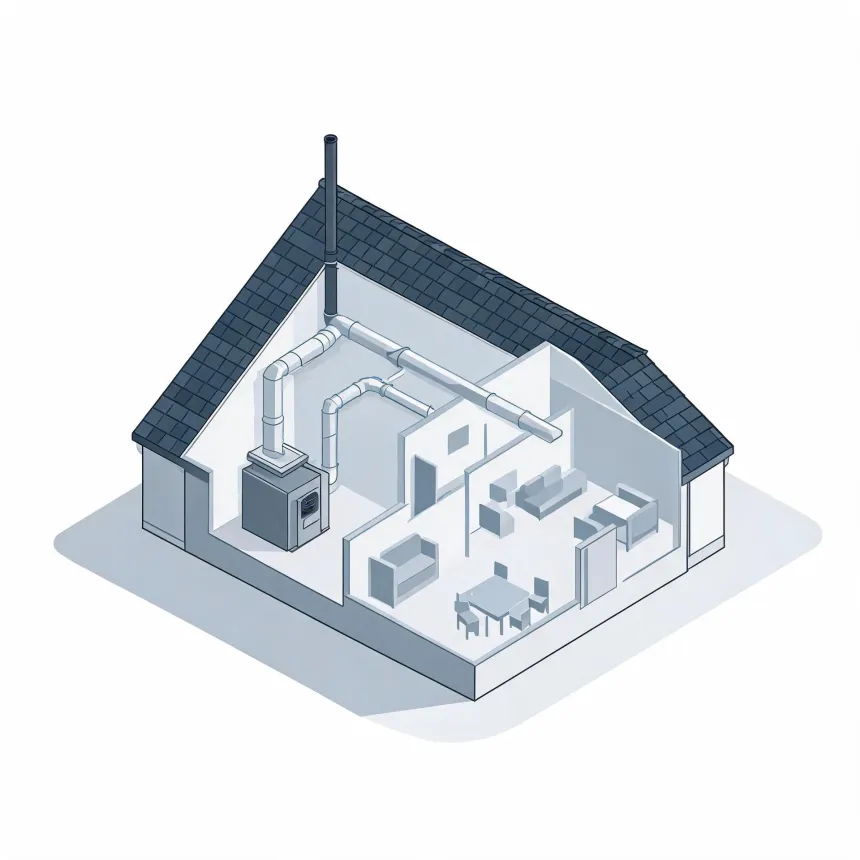
Isometric cutaway illustration of a house with a shingled gable roof, showing a gray furnace unit connected to overhead ductwork and a chimney flue, with simplified furniture in the rooms below.
Your furnace works hardest from November through March.

NOAA nClimDiv, 1991–2020 normals

Furnaces in Clark County only run about five months a year, November through March.

A furnace that sits idle most of the year doesn't need to be the top efficiency model to hold up.

Electricity runs $36.10 per million Btu here, so a basic furnace earns its keep faster than a premium one

Heat runs November through March
Winter nights average 33°F
11 winter storms from 2015 to 2024
Nothing extreme to build aroundStorms pass through Clark County most years, but none of it changes what a furnace here needs to be

October is worth marking on the calendar. Heat starts running in November here, and a furnace that quits in the first cold week means a scramble to get someone out while everyone else is calling too. Replacing it in October instead means the old unit comes out while there's still no rush, the new one gets sized and set up right, and it's already proven out before that first cold morning. Five months of real use is what it has to hold up through this year. Starting the job before the season does is just easier on everyone, including the installer.

A new furnace here just needs to clear 80 percent AFUE, for now

Furnaces sold here have to hit at least 80 percent AFUE. That minimum moves up to 95 percent for units built after December 2028. A system installed now meets the current rule, and a federal tax credit is available toward the cost.

Find a contractor
A man in a cap, dark shirt and tan pants carries a worn canvas tool bag up concrete steps toward a dark blue front door with a sidelight window and a large planter beside it.
A gray residential gas furnace installed in an unfinished basement, connected to sheet-metal ductwork and PVC pipes.

Five months on, idle the rest of the year

Five months of heat, with overnight lows averaging 33 in December and January. That's a system kept idle most of the year, not one run into the ground. Sizing it right for this house matters more than chasing the highest efficiency number on the sticker.

The old furnace comes out first

A contractor disconnects the gas line or electrical circuit, pulls the old unit, and checks the ductwork and vent connections before setting the new one in place. This matters because a furnace sized or vented for the old system doesn't always fit the new one without adjustment.
What happens to the unit itself

Furnaces are mostly steel, copper and aluminum, so the old one normally gets hauled off for scrap rather than sent to a landfill whole. A gas furnace also has a heat exchanger that's inspected on the way out, since a cracked one is often the reason it's being replaced at all.

Sizing a furnace is not about matching the old one, it's working out through a heat loss calculation how much heat this particular house loses on the coldest days and picking a unit that can replace it. Square footage alone doesn't answer that. Window count, ceiling height, insulation and how many exterior walls a room has all change the number. Too big and the furnace short cycles, hitting the set temperature fast, shutting off, then starting again a few minutes later. That wears out the igniter and the blower motor faster, and the house ends up with warm blasts followed by cold stretches instead of steady heat. Too small and it runs constantly on the coldest nights and still can't keep up. A contractor doing this job right is sizing to the house in front of them, not swapping in whatever matches the old nameplate.

Install day starts with the house empty of heat for a few hours while the old furnace comes out and the new one goes in. The contractor sets the cabinet, connects the gas line or electrical circuit, ties into the ductwork, and runs a new vent if the new furnace needs one. Once it's in place, the work shifts to checking it rather than just running it. Gas pressure gets tested and adjusted at the valve, the temperature rise across the heat exchanger gets measured against what the manufacturer specifies, and the blower speed gets set to match the ductwork rather than left on a default tap. A combustion analyzer checks the exhaust on a gas unit to confirm it's burning clean before the job is called done. None of that shows up on the outside, but it's the difference between a furnace that's installed and one that's actually set up to run the way it's supposed to.