
Heat Pump Maintenance in Arkansas
Electricity costs homes less in Arkansas than in 42 of the other 49 states.
Tell us about the job
Takes about a minute. No obligation.
- 32°Fwinter overnight low where people live
- 7 monthsof heat, October through April
- 90°Fsummer afternoon high where people live
- 5 monthsof cooling, May through September
Your heat pump barely gets a break. Heat October through April, cooling May through September.
- Southern counties need about 23% more cooling than northern ones
- Winter nights average 32°F where people live
- Summer afternoons average 90°F where people live
- Heat runs October through April
- Cooling runs May through September
- 663 winter storms from 2015 to 2024


- Clearing leaves and dirt off the outdoor coil lets heat move through it freely in both directions
- Checking the refrigerant charge catches a low system before it has to work harder for the same temperature
- The contactor and fan motor get checked before they wear out and leave you without heat or air
- A reversing valve that sticks gets caught now, before it leaves you heating when you meant to cool
- Clean coils and correct airflow keep the compressor from running longer than it should
Half the homes in Arkansas were built in 1987 or later, so plenty of heat pumps out there are running on newer ductwork and electrical.
Newer or not, a heat pump still wants a yearly check, since the coils and valve wear the same way regardless of the house around them.

Get the heat pump checked before October
Seven months of heat start here. September is when you find out if the system is ready for them.
October is when heat starts running here, seven months of it before this system switches back in May. A heat pump does not get a season off like a furnace does. It runs the compressor and the reversing valve both directions, all year, and whatever is going to wear on it has already had a chance to. September is the month to get it looked at, before the switch to heat finds a weak contactor or a low charge for you. Arkansas asks less heating out of a system than most of the country, but what it asks for, it asks for in one long stretch.
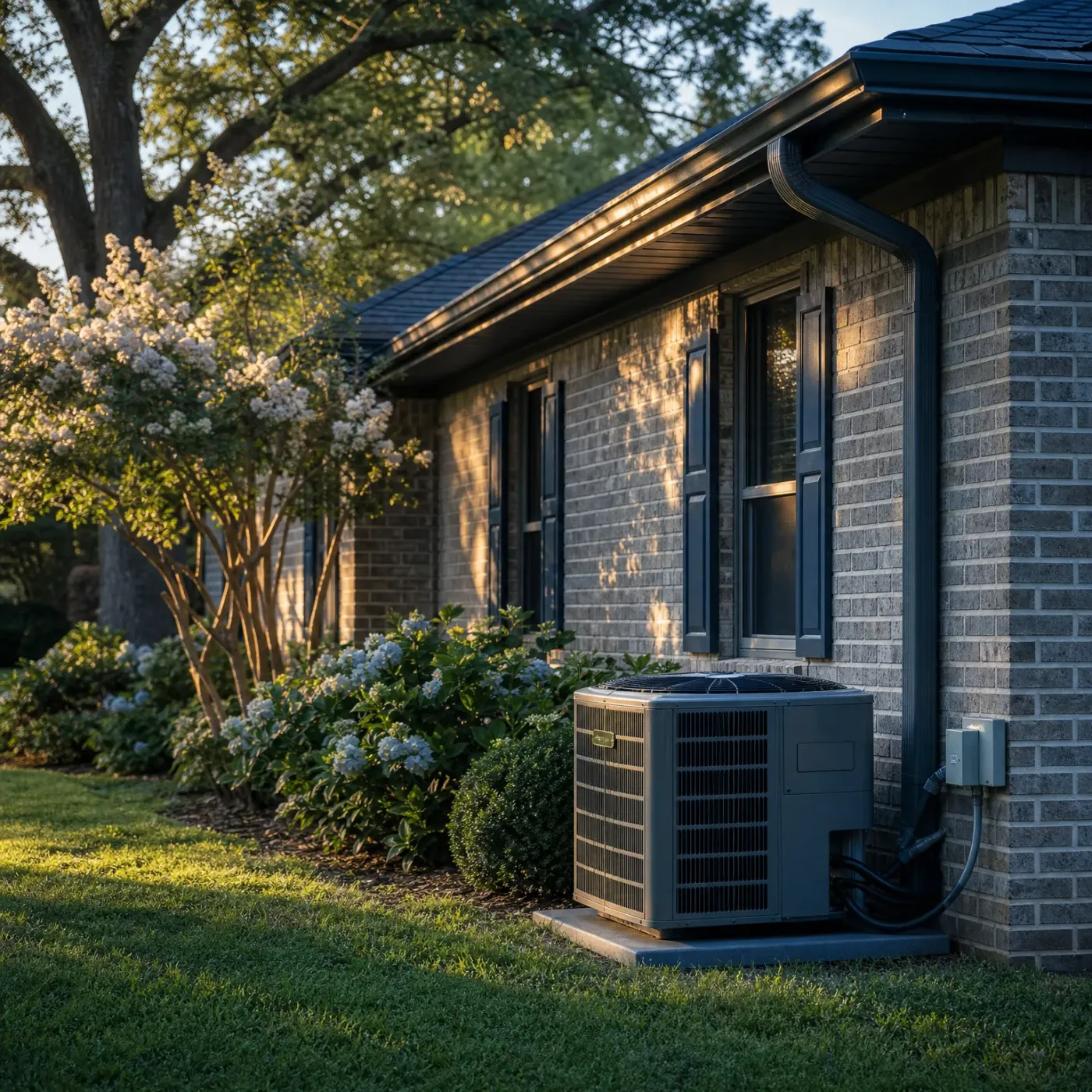
Arkansas splits north and south on both ends of the year. Homes in the northern counties need about 23% more heat over a year than homes in the south, and homes in the southern counties need about 23% more cooling than homes in the north. A heat pump in this state is rarely working against just one load. It is leaning harder on one side or the other depending on where it sits.
Benton County needs heat the longest stretch in the state, about 7 months a year. Pulaski County needs the shortest, about 5. Madison County carries about 65% more heating need over a year than Miller County, which asks the least heat of anywhere in Arkansas. In the northwest corner, the reversing valve and compressor spend more of the year working the heating side than they do in the center of the state.
The cooling side tilts the other way. Chicot County needs about 82% more cooling over a year than Newton County, where cooling need is lowest in the state. A heat pump down in the southeast corner is spending a lot more of the year moving heat out of the house than one up in the north.
Wherever a home sits on that map, the same parts are doing the work. A heat pump in Benton County leans on its heating side longer than one in Pulaski County. A heat pump in Chicot County leans on its cooling side harder than one in Newton County. Either way, the coil, the valve and the compressor are the ones that find out first.
What does a heat pump in Arkansas face?
How hot do summer afternoons get?
90°Faverage afternoon high where people live
Alaska66°F
Arizona101°F
How cold do winter nights get?
32°Faverage overnight low where people live
North Dakota4°F
Hawaii65°F
How many months does the heat run?
7 monthsof heating a year
Hawaii0 months
Alaska12 months
What does electricity cost?
12.32¢per kWh (kilowatt hours, the unit on an electric bill), what homes paid in 2024
North Dakota11.51¢
Hawaii42.86¢
How often do storms hit?
170severe weather events per county from 2015 to 2024
Alaska5
Wyoming1,057
How many homes lost power for a day or more?
24%of homes in 2024
Arizona7%
Maine54%
What you can check yourself
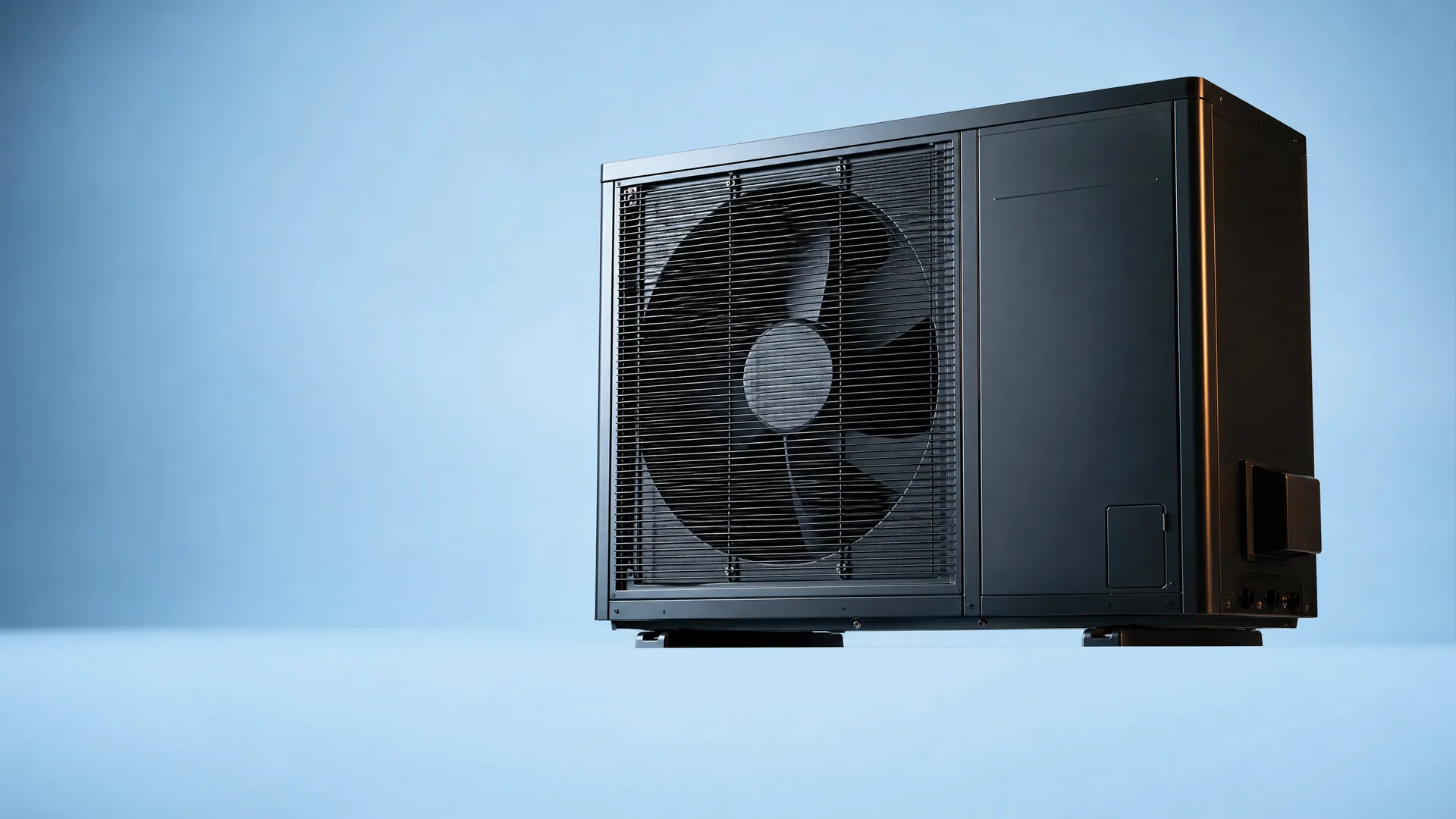
Keeping the outdoor unit clear is the one job that's really on you. Leaves, grass clippings, dryer lint, anything piling up against that outdoor coil makes the system work harder moving heat in either direction. Give it some room from shrubs or fencing so air can pull through it freely. After a windstorm, check the fan cage for twigs or debris caught in it. Inside, the air filter needs a regular swap or rinse. A clogged filter starves the system of airflow, and that can ice the indoor coil even when it is running in cooling mode. Keep furniture and boxes away from the air handler too, so return air moves the way it is supposed to. If you see ice on the outdoor unit that is not melting off on its own, or the air coming out feels cooler than it should while the system is heating, that is worth a call. The refrigerant charge, the reversing valve, the electrical connections, those are not things to get into yourself. That is what the yearly check is for.
The filter, the coils and the drain
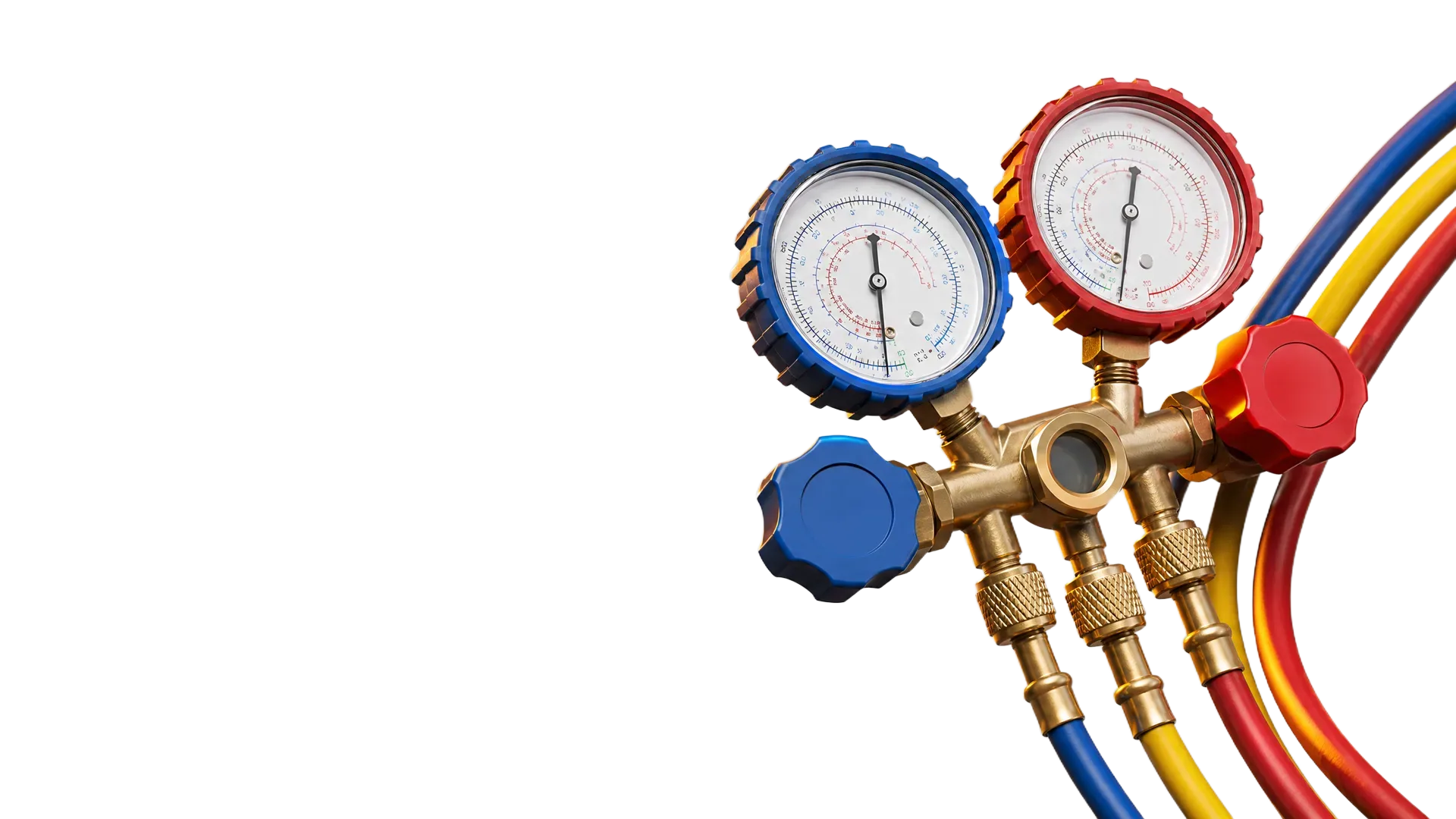
The filter keeps dust and hair out of the indoor coil. When it loads up, airflow drops, and a coil that is not getting enough air can ice over, which blocks airflow even more. That is how a small problem turns into a bigger one. The outdoor coil needs the same clean airflow but runs into a different enemy. Leaves, grass clippings, cottonwood, anything that settles into the fins from outside keeps it from giving up heat or pulling it in the way it needs to. The condensate drain matters just as much, even though nobody thinks about it. As the indoor coil pulls moisture out of the air, that water has to go somewhere, and the drain line carries it out. A drain clogged with algae or sludge backs water up into the pan, and from there it can spill over into the house. None of these fail loudly. A dirty filter, a caked coil, a slow drain all just make the system work harder and run longer to do the same job, and the compressor is usually the one that ends up paying for it.
Skip enough years of maintenance and the reversing valve is usually the first to show it. It moves every time the system switches between heating and cooling, and if it sticks partway, the system can start blowing cool air when it should be heating, or it just hangs on one mode and won't switch at all. By the time you notice from inside the house, the valve has likely been struggling for a while. A yearly check catches a valve that's starting to stick before it fails in one position for good.
A low refrigerant charge does its damage quietly. The system still runs, the thermostat still calls for heat or cooling, but the compressor has to work longer to move the same amount of heat. That extra runtime wears on the compressor itself, and a worn compressor is what turns a simple service call into a full system replacement. A charge that's slipped a little is caught easily at a yearly check, before the compressor is the one carrying the problem.
Most homes in Arkansas are newer, but the coils and valve wear the same either way.
Tell us about the job
Takes about a minute. No obligation.
Fill out the form and a licensed contractor reaches out to schedule the yearly check.