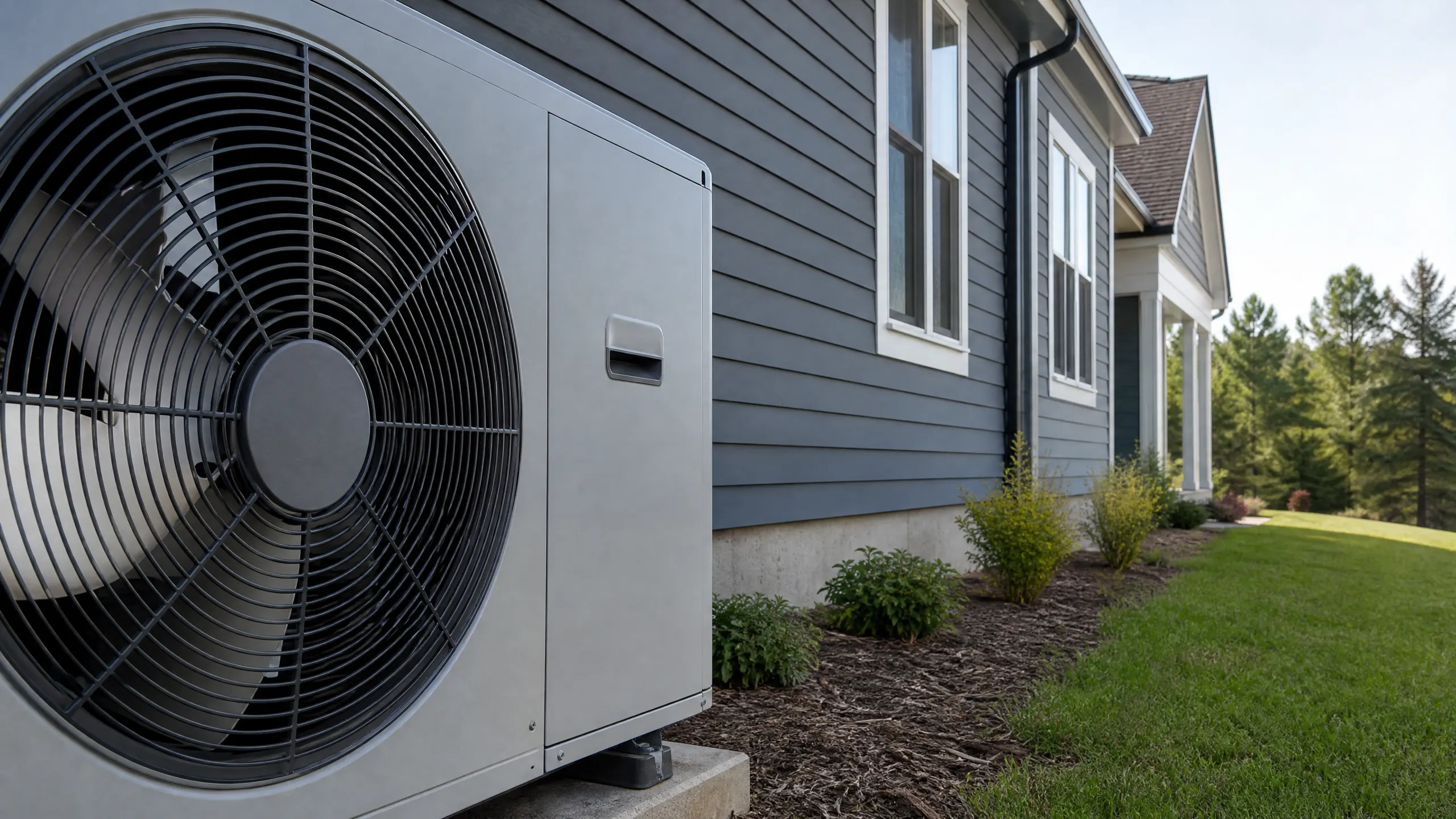





A heat pump outdoor unit mounted on a concrete pad next to the gray-sided exterior wall of a residential house.

Heat Pump Maintenance in Benton, AR

Tell us about the job

Takes about a minute. No obligation.

Tune-up, service, or cleaningHeat PumpSaline County, AR
Step 1 of 2

What ZIP code is the job in?

Saline County saw 155 severe weather events between 2015 and 2024, most of them wind and hail. Your heat pump's outdoor unit sits right in the path of both. Wind drives debris into the coil and fan, and hail dents the housing and bends the fins that move heat in and out of the unit. A unit that looks fine from a distance can have a coil packed with leaves or grit, and that makes it work harder every time it runs. None of that shows up until you look.

Half the homes in Saline County were built in 1997 or later.

A heat pump that age still has years ahead of it, and a yearly check is what keeps it on track.

Hail hits this county hard, and your outdoor unit takes it straight on

67 hail events from 2015 to 2024
Power costs 12.32 cents a kWh statewide
Climate zone 3A
Your heat pump works through OctoberHeat starts running in November here. Have it checked in October, before the cold sets in.

A technician checking your heat pump before summer and winter can catch what the last storm left behind. Bent fins get combed back into shape so air moves through the coil the way it should. Debris packed against the coil gets cleared out. The housing gets a look for cracks or gaps where wind-driven rain could get at the electrical parts. None of this takes long, and it's easier to fix in an hour of maintenance than after the unit's been struggling for a season.

Get the coil checked before it has to work through another storm

Saline County has had 67 hail events between 2015 and 2024. Your outdoor unit sits outside year round, taking whatever comes. Dented fins and a packed coil make it work harder every time it kicks on. Get it checked now, before it has to run on storm damage all winter.

Find a contractor
A gray air-source heat pump mounted on a concrete pad next to a house with gray vinyl siding, surrounded by gravel and flanked by green shrubs and white hydrangea flowers.

A real tune-up opens the panel, not just the thermostat

A quick visit checks that the system runs and the thermostat calls for heat. That's it. A thorough one puts gauges on the refrigerant lines, checks amp draw on the compressor and fan motor, and tests the reversing valve under load rather than just looking at it. Someone doing it right pulls the panel and looks at the wiring, not just the coil you can see from outside. If the technician is in and out in a few minutes without opening the cabinet, that's a sign something got skipped, not a sign the system is in great shape.

What a check turns up inside the unit

A technician checks refrigerant charge against what the system calls for, not just whether it's low. Too much or too little and the compressor works harder than it should, and that wear doesn't announce itself. The reversing valve gets tested too, since that's the part that switches the system between heating and cooling. A valve that's starting to stick can still work most of the time, right up until the day it doesn't switch over at all.
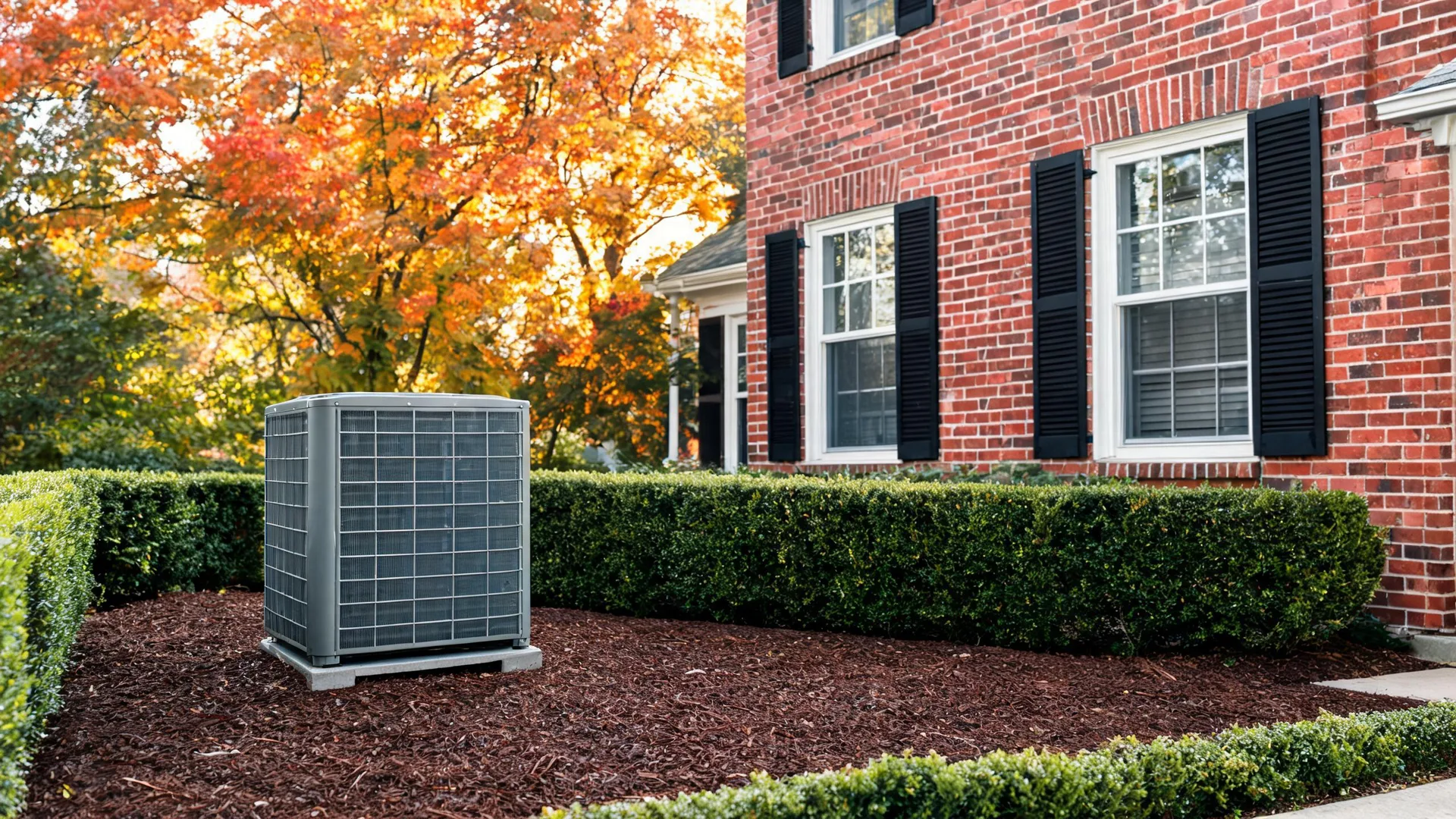
Why small wear gets caught before it spreads

A capacitor that's weakening still starts the fan and compressor, just slower each time, until one day it doesn't. Caught during a check, it's a part swap. Missed, it can take the compressor down with it. Contacts that have arced a little still close the circuit, until the wear catches up and something draws more current than the wire was sized for.

Between visits, the outdoor unit still needs room to breathe. Keep leaves, grass clippings and dropped limbs clear of the coil, and leave space on all sides so air can pull through it. After a storm, walk out and look at the fins before anything else. If you see them bent flat against the housing, don't reach in and try to straighten them yourself. That's a job for a technician with the right comb for it. Check the filter on the schedule it calls for, since a clogged filter starves airflow and makes the whole system work harder, not just the part you can see. Inside, keep vents and returns open and unblocked by furniture or rugs. If you ever hear a new noise, a hum that wasn't there before, or notice the system running long and not keeping up, that's worth a call rather than waiting for the next scheduled check.

A full tune-up covers more than the outdoor coil. Inside, the technician checks the air handler's blower wheel for dirt buildup, since a dirty wheel moves less air even when the motor's running fine. They'll check static pressure in the ducts, which tells them if something's restricting airflow that you'd never spot by looking. The thermostat gets checked against the actual equipment, confirming it's calling for heat and cooling at the right times and not short-cycling the system. Electrical connections get tightened, since a loose connection generates heat on its own and that heat degrades the part it's attached to. The condensate drain gets checked too, because a clogged drain backs up and can shut the system down on a safety switch before you ever smell a problem.