

What winter actually asks of a heat pump here
The average overnight low here in December, January and February is 33°F. That number matters because of where it falls. A standard heat pump puts out less than its rated heat once it's below 40°F outside, and below about 35°F it often needs backup heat to keep the house warm. Your average winter night is below both marks.
That doesn't mean a heat pump struggles all winter. It means most nights here call for some backup heat if you install a standard model. About 65 nights a year drop to freezing or below, which is under half the roughly 150 nights across the five months the heat runs. Fewer than one night a year reaches 0°F. So the cold here is frequent but not deep.
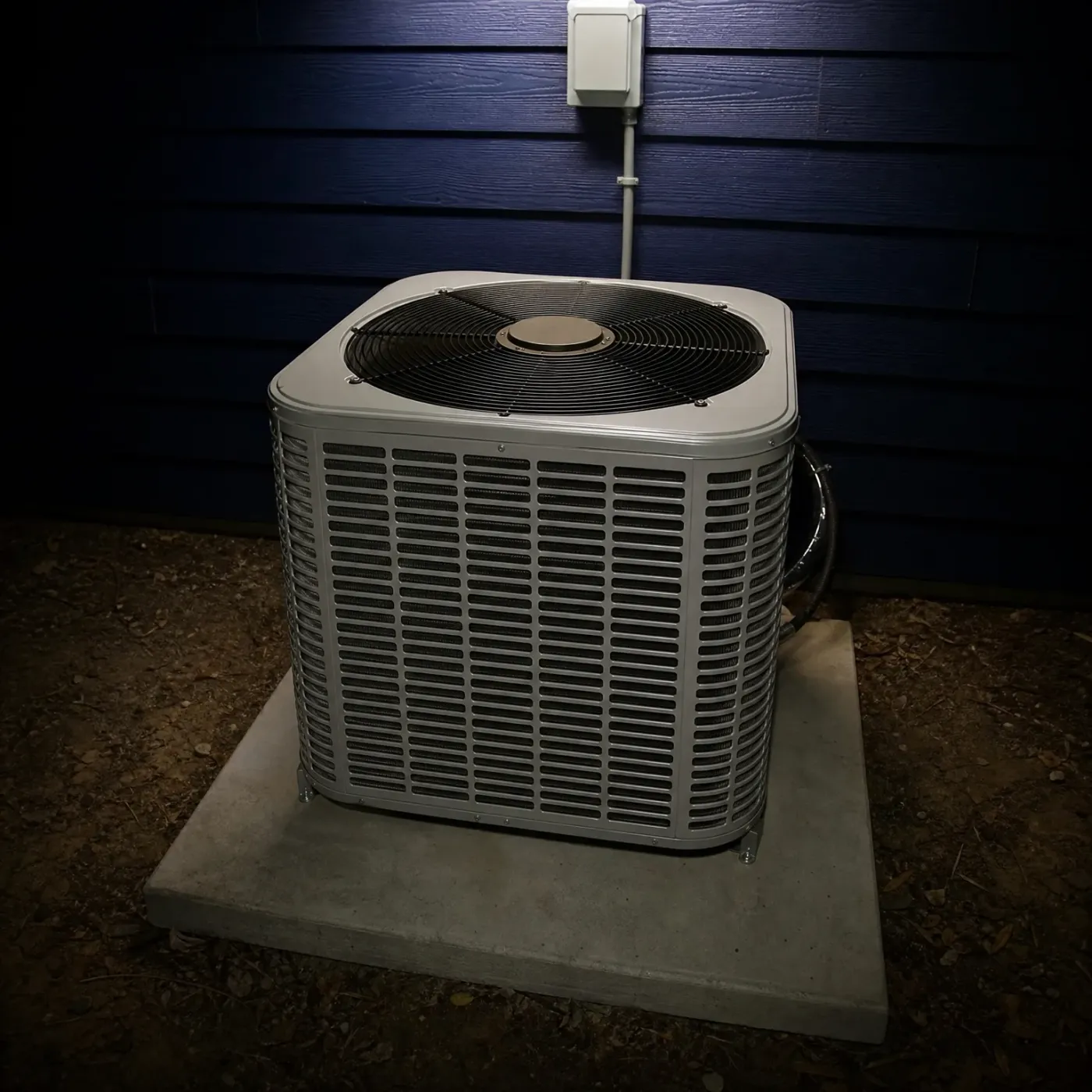
A heat pump built to carry the ENERGY STAR Cold Climate label has to keep making heat efficiently at 5°F, a temperature this county almost never sees, and hold onto most of its capacity at that point. In a two winter field test of these units in occupied homes, backup heat covered only a small share of the load between 0°F and 35°F, and running on backup alone was rare even above 0°F. A cold climate model would spend this county's winter doing the heating itself, not falling back on its backup coil.