




A nighttime street scene featuring a row of lit white colonial-style houses with wrap-around porches, flanked by oak trees draped in Spanish moss.

Heat Pump Repair in Benton, AR

Tell us about the job

Takes about a minute. No obligation.

RepairHeat PumpSaline County, AR
Step 1 of 2

What ZIP code is the job in?

A technician starts outside at the outdoor unit, checking the coil, the fan, and the refrigerant charge, then moves to the air handler to check the indoor coil and the electrical connections. They'll run the system in both heating and cooling mode, since a heat pump that works fine blowing cold air can still fail to reverse into heat, and that points to a bad reversing valve rather than anything with the compressor. Along the way they check the defrost control board, since a heat pump that won't clear frost off the outdoor coil will keep losing capacity until it can barely heat at all. If the system is short on refrigerant, they'll look for where it's leaking out rather than just adding more, because topping it off without finding the leak only buys a little time. By the end they can tell you what part failed, why, and whether it's worth repairing or replacing given the age and condition of the rest of the system.

5 months
November through March, your system heats
5 months
May through September, it cools
33°F
the average winter night it heats against
90°F
the average summer afternoon it cools against
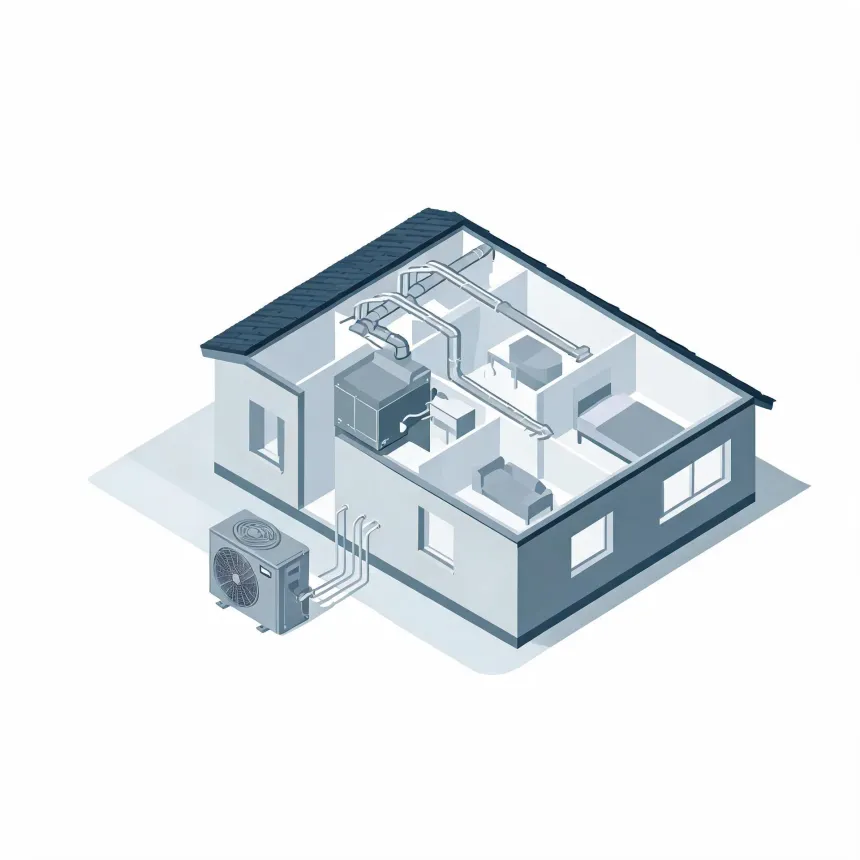
Isometric cutaway illustration of a single-story house showing interior rooms with ductwork, an indoor air handler unit, and an outdoor condenser unit connected by lines along the exterior wall.
Your system heats November through March and cools May through September.

NOAA nClimDiv, 1991–2020 normals

Half the houses in Saline County were built in 1997 or later.

A heat pump that age still has years left in it, so repair is usually the right call before replacement comes up.

November is when a weak heat pump quits here

Cooling runs May through September
Heat runs November through March
67 hail events from 2015 to 2024
Hail finds the weak spotSaline County saw 67 hail events from 2015 to 2024, and your outdoor unit takes the hit.

Most heat pump failures trace back to the reversing valve or the capacitor long before the compressor itself gives out. The capacitor gets the fan motor and compressor started, and when it weakens the system hums or struggles to kick on, especially after short cycling on and off all day. The reversing valve is what switches the system between heating and cooling, and a stuck valve is why a heat pump blows cold air when it should be putting out heat. Low refrigerant is usually a leak, not something that just happens over time, and running a system low on charge for too long puts extra strain on the compressor itself. Dirty coils and worn contactors cause plenty of trouble too, and those are worth catching early, before they force a bigger repair.

Had hail come through? Get the outdoor unit checked before winter does

Hail dents and dings find the thin metal fins on your outdoor unit, and a bent coil cuts into how well the system heats and cools even when everything else still runs. If the unit has taken a hit, get it looked at before the next heating stretch finds the weak spot for you.

Find a contractor

A weak capacitor turns into a dead compressor

When a capacitor is going bad, the compressor fights to start every time the system cycles on. Each hard start heats the windings more than they're built for. Left alone long enough, that wear can take the compressor down with it, and the compressor is what the rest of the system is built around.
Frost left to build will stop the system cold

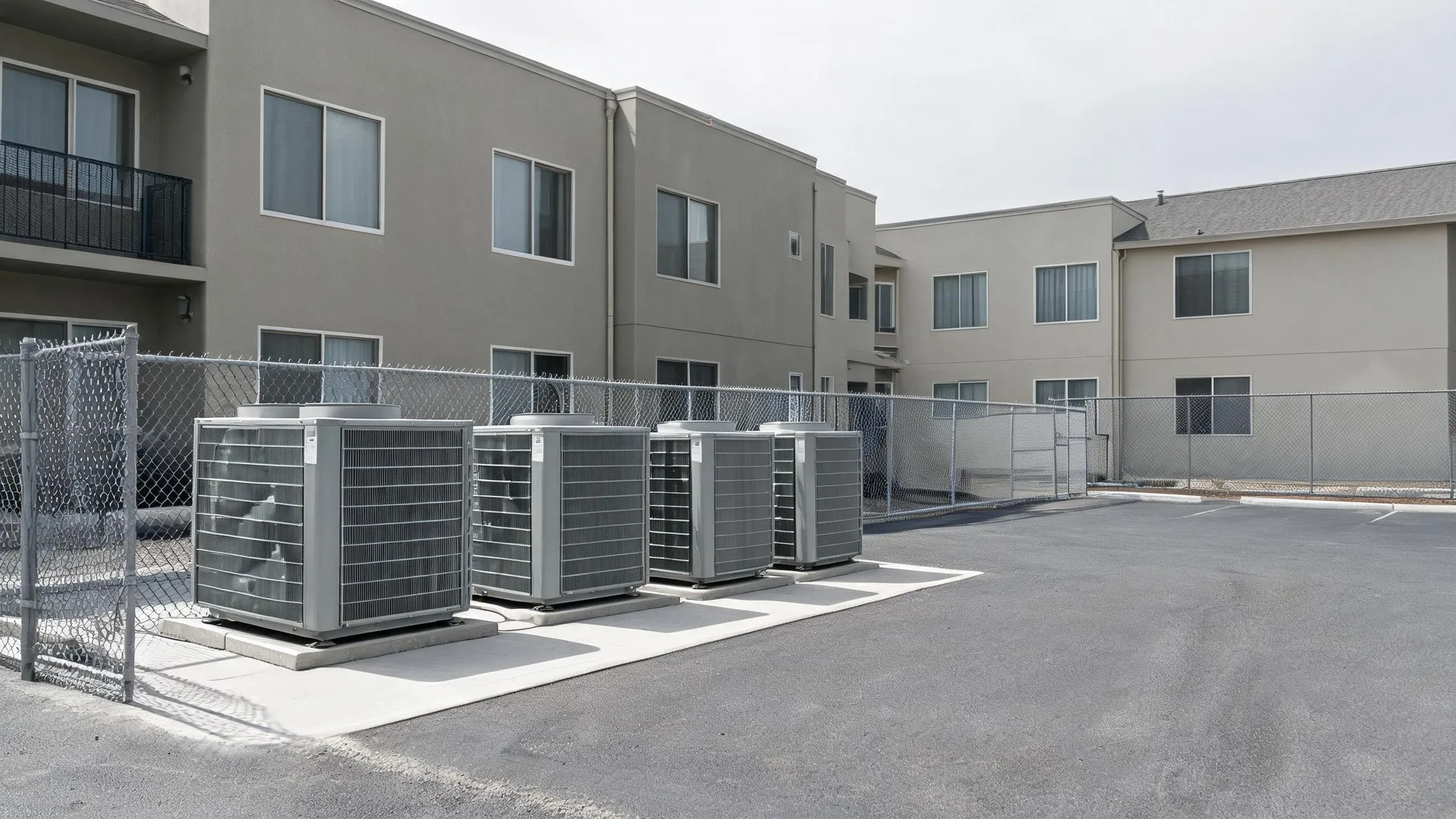
A heat pump that's slow to defrost keeps losing heating capacity as the frost thickens on the outdoor coil. Left alone, that ice can block airflow across the coil entirely, and the system will run without putting out any real heat. Catching the defrost board early keeps the fix small and the coil clear.

Before you call anyone, check the thermostat batteries and make sure it's set to heat, not cool. Walk outside and look at the unit itself. If the outdoor fan isn't spinning at all, or the whole unit is caked in ice with no sign of a defrost cycle kicking in, that's worth noting for whoever comes out. Check your breaker panel too, since a tripped breaker will shut the whole system down and looks like a bigger problem than it is. Inside, pull the air filter and hold it up to light. If you can't see through it, swap it, because restricted airflow strains the system and can mimic a refrigerant problem. Don't pour water on an iced-over coil or try to chip the ice off yourself. Let it tell the tech what it's doing instead.

Age is only part of the repair or replace decision. The other part is what else is wrong with the system besides the part that just failed. A failed capacitor or control board on a unit that's otherwise sound is a clean fix, and the rest of the system doesn't know the difference once the part is swapped. It's a different conversation when the compressor itself is the problem, because that's the heart of the system and replacing it alone often costs close to what a new unit runs. The other thing worth weighing is how the system has been behaving before this breakdown. A unit that's needed a few unrelated repairs in close succession is telling you something different than one that's run clean for years and just hit its first real problem. A tech who's seen the whole system, not just the part that quit, is the one who can tell you honestly which case you're in.