
Heat Pump Installation in Arkansas
Electricity costs homes less in Arkansas than in 42 of the other 49 states.
Tell us about the job
Takes about a minute. No obligation.
- 32°Fwinter overnight low where people live
- 7 monthsof heat, October through April
- 90°Fsummer afternoon high where people live
- 5 monthsof cooling, May through September
A heat pump here leans on cooling more Five months of summer against seven of winter
- Southern counties need about 23% more cooling than northern ones
- Winter nights average 32°F where people live
- Summer afternoons average 90°F where people live
- Heat runs October through April
- Cooling runs May through September
- 663 winter storms from 2015 to 2024


- One system handles both jobs, so there's no separate furnace to maintain or replace down the road
- The refrigerant charge gets checked against the manufacturer's spec and corrected if it's off, which is what keeps capacity and efficiency where they should be
- Every supply and return the old system used gets tested for airflow, so the new unit isn't fighting a duct problem it inherited
- A reversing valve lets the same outdoor unit pull heat in or push it out, switching between modes without a separate heating system standing by
- The old refrigerant gets recovered rather than vented, and the old equipment is hauled off, so the job doesn't leave hazardous material or scrap behind
Electricity heats 53.7% of homes in Arkansas, more than any other fuel.
With most homes already wired for electric heat, a heat pump fits in without adding gas lines or new fuel service.

A standard system is the right call here
Nothing about homes in Arkansas calls for sizing up
Most homes in Arkansas are detached single-family houses, and the housing stock itself is unremarkable, newer than what you'd find in most other states. A heat pump sized to the house, installed the way the manufacturer specifies, handles the summer load and the winter load this state sees without help from a bigger unit or a higher tier of equipment. Getting the size and the installation right is what makes the system work. The grade of equipment matters far less.
Arkansas splits north and south more than it splits anywhere else. Southern counties need about 23% more cooling over a year than northern counties do, and northern counties turn it around in winter, needing about 23% more heat over a year than the south.
Chicot County needs the most cooling in the state, about 82% more than Newton County, where cooling need is lowest. A heat pump installed in Chicot has more summer load to meet than one going into a house in Newton, even though both sit in the same state.
Heating works the other direction. Madison County needs about 65% more heat over a year than Miller County, where heating need is lowest in the state. That gap alone tells you the same system spec doesn't fit both ends of Arkansas.
The number of months matters as much as the load. Benton County runs heat about 7 months a year, the longest stretch in the state. Pulaski County runs it about 5. A heat pump in Benton is doing winter work two months longer than one in Pulaski, every year it's in service.
None of this changes what the install has to get right: a heat pump sized to the house it's going into, not to the state average. Where that house sits on the map tells you which season it leans on harder.
What does a heat pump in Arkansas face?
How hot do summer afternoons get?
90°Faverage afternoon high where people live
Alaska66°F
Arizona101°F
How cold do winter nights get?
32°Faverage overnight low where people live
North Dakota4°F
Hawaii65°F
How many months does the heat run?
7 monthsof heating a year
Hawaii0 months
Alaska12 months
What does electricity cost?
12.32¢per kWh (kilowatt hours, the unit on an electric bill), what homes paid in 2024
North Dakota11.51¢
Hawaii42.86¢
How often do storms hit?
170severe weather events per county from 2015 to 2024
Alaska5
Wyoming1,057
How many homes lost power for a day or more?
24%of homes in 2024
Arizona7%
Maine54%
Install before the switch, not after it
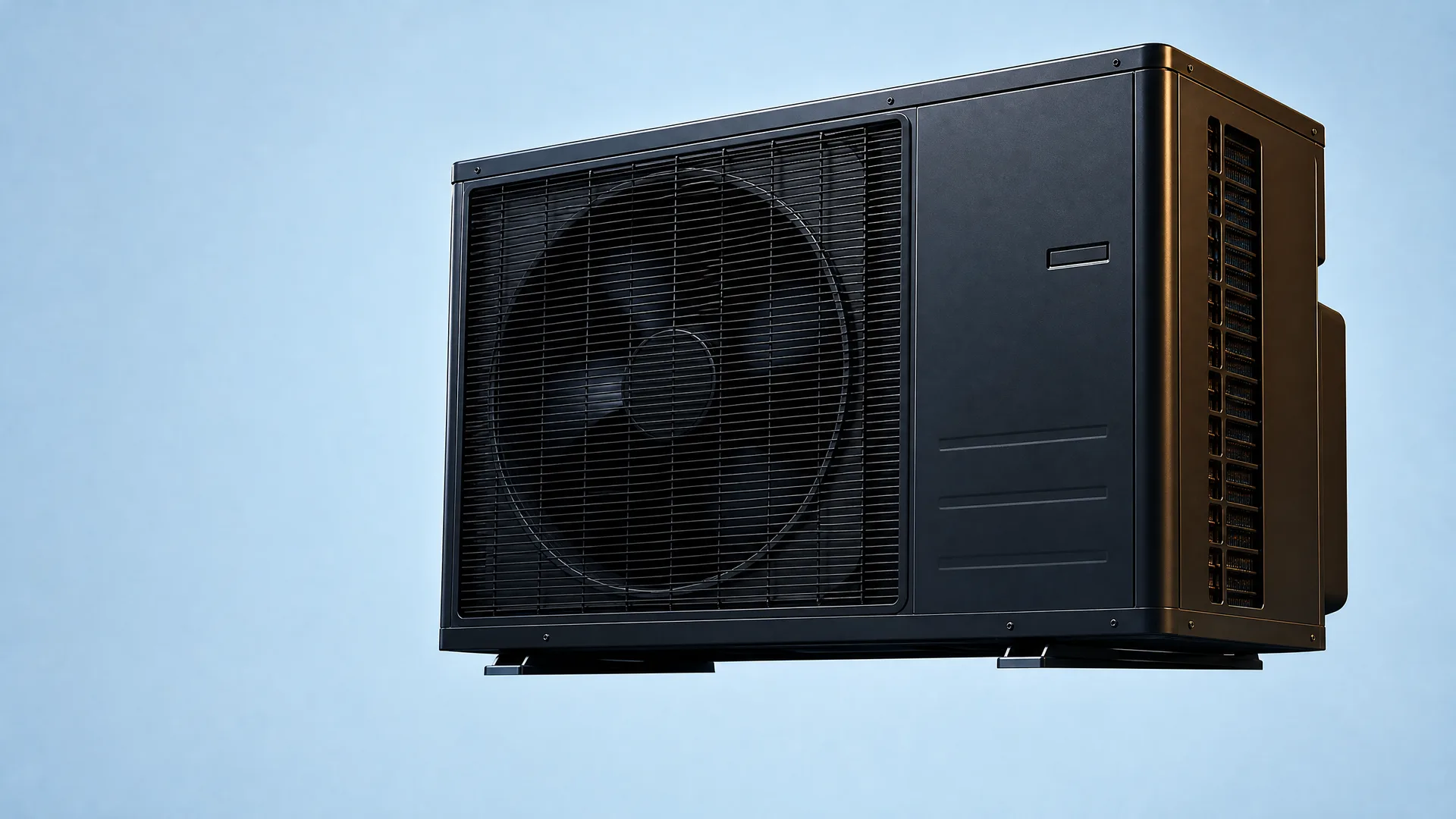
A heat pump here works year round, so timing the install is less about dodging a single season and more about not getting caught between the two. September is the last quiet month before heat kicks in for the next seven, and April is the last one before cooling takes over for the five after that. Put the install in either gap and the contractor has room to size it right, set the refrigerant charge correctly and run it through both modes before you're depending on it. Wait until the furnace won't light or the AC won't cool, and you're making the decision under pressure, with whatever unit happens to be in stock.
What happens to the old system
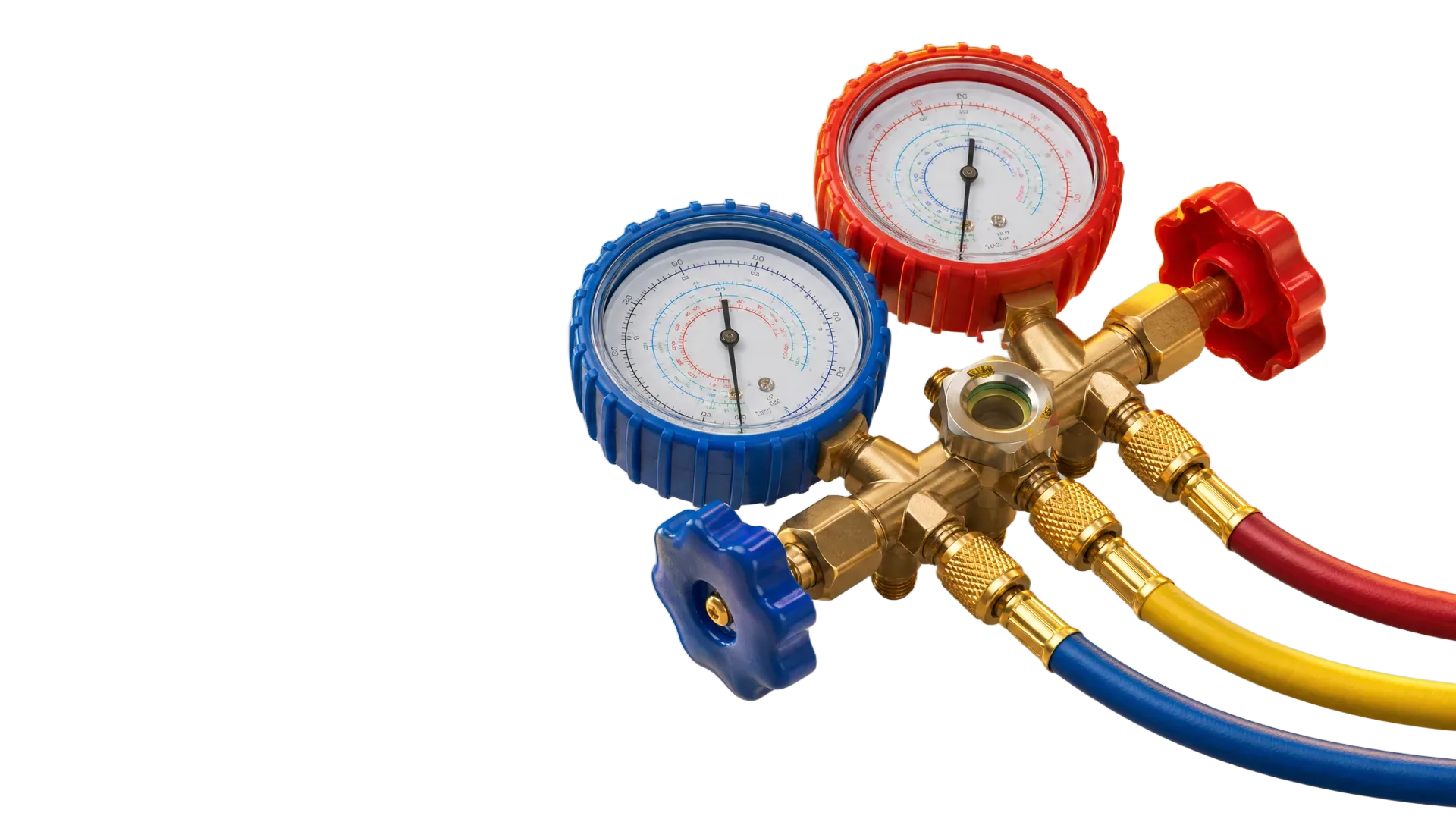
The old system does not get left in place. Taking out the existing equipment is part of the job, whether that equipment is a furnace and AC pair or another heat pump. Once the new unit is set, the line set and electrical get connected to it, not routed around the old one. If the old system used a gas furnace, the gas line serving it gets capped off properly rather than left live. Refrigerant in the old outdoor unit has to be recovered into a tank, never vented, so a contractor shows up with the equipment to do that as part of the swap. Ductwork usually stays as it is, since a heat pump ties into the same supply and return runs the old system used, though a contractor checks it for leaks or damage while it is open. The old equipment itself gets hauled off and recycled. What's left behind is a slab or pad outside for the new outdoor unit and whatever closet or platform holds the air handler.

Arkansas sees real storm weather. The state logged 2,017 hail events between 2015 and 2024, more than most other states see in their populated counties. None of that changes what a heat pump needs to be here. It still needs to be sized to the house and installed to spec, same as anywhere else.
Power loss is the more practical issue. Close to a quarter of Arkansas households went at least a day without power in 2024, and that share is higher than in most other states. A heat pump stops heating or cooling the moment the power drops, same as a furnace blower or an AC's outdoor unit would. That's a reason to think about backup power if the house doesn't have it, not a reason to buy a bigger or different heat pump.
Power costs less here, so a heat pump earns its keep through comfort and fit more than through savings.
Tell us about the job
Takes about a minute. No obligation.
Fill out the form and a licensed contractor sizes the heat pump to your house and prices the install.