Two illuminated white colonial-style houses with wrap-around porches, flanked by oak trees draped in Spanish moss, photographed at night.

Heat Pump Installation in Van Buren, AR

Tell us about the job

Takes about a minute. No obligation.

New system or replacementHeat PumpCrawford County, AR
Step 1 of 2

What ZIP code is the job in?

The old equipment comes out

Whatever heated and cooled the house before, the furnace, the old condenser, the coil, gets disconnected and hauled away as part of the job. If there's an old gas line feeding a furnace that's going away, that gets capped off safely. The refrigerant in an old condenser has to be recovered properly before the unit is removed, not vented.


The new system doesn't always reuse the old parts

A heat pump can sometimes use existing ductwork and the existing electrical circuit, but not always. The old ducts may be sized for a different kind of airflow, and the old breaker or disconnect may not match what the new unit needs. Part of the installation is checking what can stay and what has to be replaced to match the new equipment.

7 months
October through April, your system heats
5 months
May through September, it cools
30°F
the average winter night it heats against
90°F
the average summer afternoon it cools against
Isometric cutaway illustration of a single-story house showing interior rooms with furniture, an attic duct network connected to a furnace or air handler, and an outdoor condenser unit linked by lines outside the wall.
Your system heats October through April and cools May through September.

NOAA nClimDiv, 1991–2020 normals

Electricity in Arkansas ran 12.32 cents per kilowatt-hour in 2024, cheaper than most states.

A heat pump here pays back more slowly on savings alone, so the better reason to choose one is how it holds up through a storm and runs year after year.

Crawford County doesn't call for anything bigger than a standard heat pump

38 hail events from 2015 to 2024
Power costs 12.32 cents a kWh statewide
Climate zone 3A

More than half the homes in Crawford County heat with electricity already, and a heat pump fits right into that. Another 36.5% are on utility gas, usually through a furnace paired with a separate AC unit. If your house is in that second group, going to a heat pump means the outdoor unit now handles both jobs, heating and cooling, instead of splitting them between two machines. If you're already electric, the switch is simpler still. Either way, the wiring and breaker panel need a look before installation, since a heat pump draws differently than what was there before.

Get it in before September, ahead of the first cold night

Heat here runs about seven months, October through April, then cooling picks up in May. A heat pump new in September is ready for both without a mid-winter scramble, and if a storm knocks out power this fall, you're not finding out then whether the install can wait.

Find a contractor
A gray heat pump outdoor unit mounted on a concrete pad next to a residential house with lap siding and stone accents.

Sized wrong, it shows up as either short cycling or endless running

Sizing a heat pump means working out how much heat the house loses in winter and how much it picks up in summer, then matching the equipment to that. A contractor works this out with a load calculation, room by room, counting windows, insulation, ceiling height and duct layout rather than going by square footage alone. That math matters more here than it did for the old setup, because one compressor now covers both jobs instead of splitting the work with a furnace. Get the size wrong and the machine shows it fast. Too big, and it blasts the house to temperature and shuts off before finishing a full cycle, so the air stays clammy in summer and the far rooms never quite warm up in winter. Too small, and it runs flat out on the coldest and hottest days and still falls behind, leaning on backup heat more than it should need to. Neither mistake is gentle on the equipment. Short cycling wears the compressor through sheer number of starts. Running flat out wears it through sheer hours. The right size runs long, steady cycles instead of either extreme, and that's also what keeps the air feeling even from room to room.

The rating tells you efficiency, not how big a system you need

The efficiency rating on the label says how much heating or cooling you get out of the power the unit uses. It says nothing about whether the unit is the right size for the house. A high rating on an oversized or undersized heat pump still leaves you with a system that short cycles or can't keep up. Sizing is a separate question from efficiency, and both matter.

A higher rating costs more up front and less to run

Equipment with a higher efficiency rating carries a higher price tag, usually because of a better compressor or added stages of operation. The payoff shows up later, in a lower power bill each month the system runs. Whether that trade is worth it depends on how many months a year the system is working and what power costs where you are, so it's worth asking a contractor to run the comparison against a lower rated system rather than assuming the highest number on the shelf is the right buy.

Sizing the equipment is what moves the price more than anything else. A heat pump has to be matched to the house, the square footage, the ductwork, the windows, how the place holds heat, and that takes a load calculation, not a guess based on what the old system was rated for. Bigger isn't a safe bet either. An oversized unit cycles on and off too fast and never settles into steady, even running, while an undersized one runs constantly and still falls short on the coldest days. Where the outdoor unit sits and how far the line set has to run between it and the indoor coil adds labor on top of the equipment cost. If the ductwork needs modification, new returns, resized trunks, sealing leaks, that's its own job separate from hanging the new unit. And the backup heat source, whether that's strip heat or something else, adds another layer to both the equipment and the wiring behind it. All of that gets priced before anyone talks about the brand on the label.

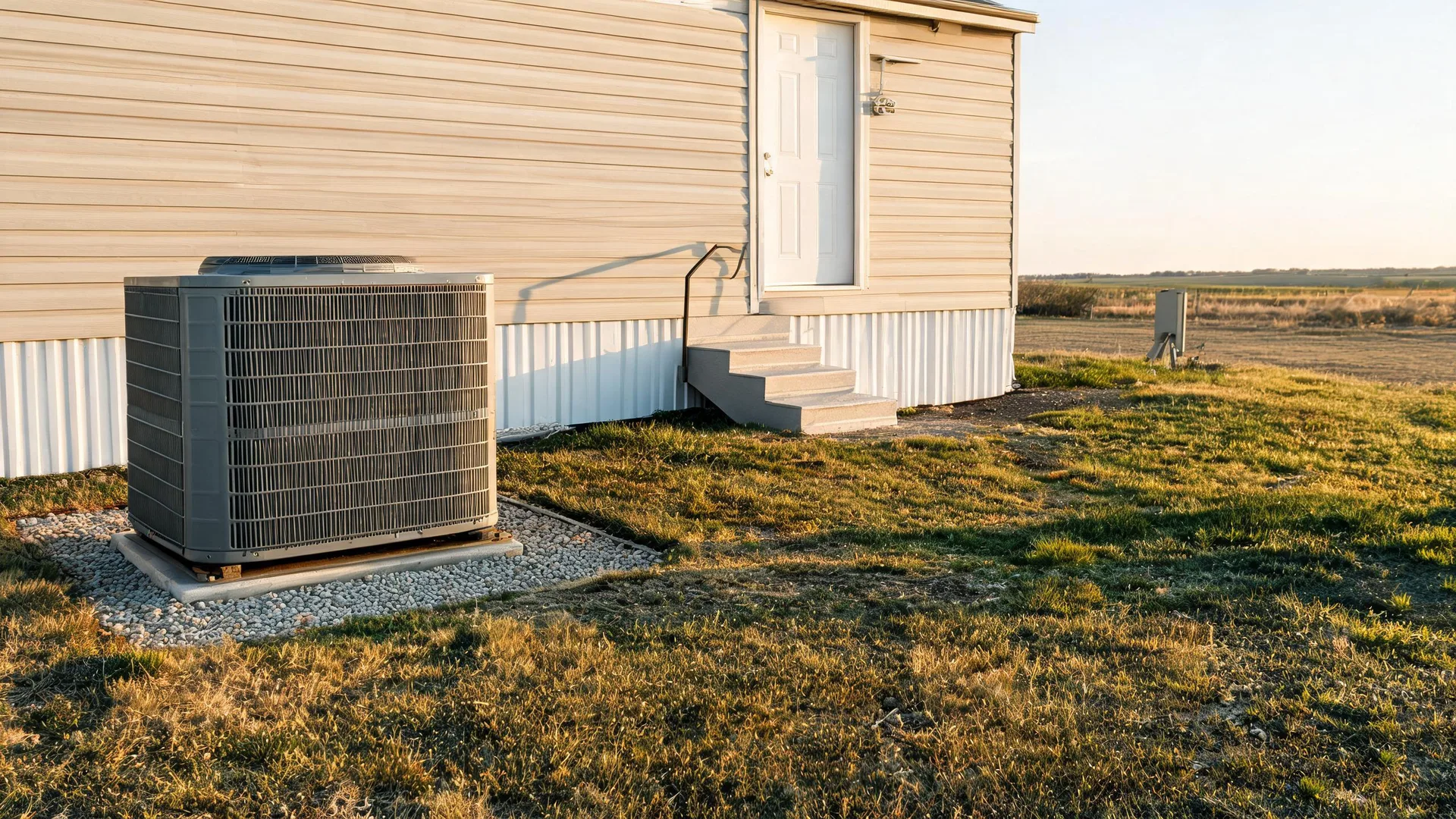
Install day starts with the house, not the equipment. Before anything new goes in, the old system has to come out and the space gets checked against what the new unit needs. Expect the early hours to be disconnection and prep rather than anything visible going up. The outdoor unit gets set on a pad or bracket, and the line set runs between it and the indoor coil. The electrical work gets tied in, with a new circuit or breaker if the heat pump calls for it. Once the refrigerant lines are connected, the system gets evacuated and charged, and that step isn't something to rush. Then comes startup and testing. Airflow gets checked at the registers, the thermostat has to talk to the system, and the unit runs in both heating and cooling to confirm it switches over the way it should. A contractor should walk through the thermostat settings and the backup heat before leaving, since that's the part homeowners usually have questions about later.