






A red brick single-story house with a covered porch and a nearby cream-colored house with a wraparound porch, seen across a lawn behind a trimmed hedge, framed by large moss-draped oak branches.

Heat Pump Installation in Fort Smith, AR

Tell us about the job

Takes about a minute. No obligation.

New system or replacementHeat PumpSebastian County, AR
Step 1 of 2

What ZIP code is the job in?

Ask what size unit they're proposing and how they got that number. A contractor should walk the house, room by room, and run a load calculation, not just match whatever is being replaced. Too big and it short cycles, never running long enough to pull moisture out of the air. Too small and it runs constantly without keeping up on the coldest days. Ask about the backup heat too. Most heat pumps need a supplemental source for when outdoor temperatures drop low enough that the heat pump alone can't keep up, and you want to know whether that's included or an added cost. Ask what happens to the existing ductwork, since a heat pump often moves a different volume of air than what was there before, and leaky or undersized ducts will undercut even a good system.

6 months
November through April, your system heats
5 months
May through September, it cools
31°F
the average winter night it heats against
91°F
the average summer afternoon it cools against
Isometric cutaway illustration of a single-story house with a dark gabled roof, showing interior rooms with ductwork leading to an indoor air handler and an outdoor condenser unit connected by lines on the ground outside.
Your system heats November through April and cools May through September.

NOAA nClimDiv, 1991–2020 normals

Electricity heats 52.4% of homes in Sebastian County, more than any other fuel.

A heat pump fits a home already wired for electric heat, with no new gas line or venting to plan around.

Outdoor equipment here takes a beating most systems never see

122 damaging wind events from 2015 to 2024
61 hail events from 2015 to 2024
Power costs 12.32 cents a kWh statewide
Low power cost, longer paybackArkansas electricity ran 12.32 cents a kilowatt-hour in 2024, so pick a heat pump for how it holds up, not just its efficiency rating.

Severe weather hit Sebastian County 206 times between 2015 and 2024, and damaging wind was behind most of those events. Hail showed up often enough that it's worth asking what protects the outdoor unit's coil, a cover or cage that still lets air move through it. Tornadoes and winter storms both happen here too, less often than wind but not rare. Statewide, close to a quarter of Arkansas households lost power for a day or more in 2024. A heat pump needs power to run either direction, heat or cool, so if an outage matters to your house, ask about backup options before the install, not after.

Get it in before November

Heat runs here from November through April, about six months straight. October is the last easy month to put in a new system before it has to carry the house. Install now and you get a straight shot at sizing it right, checking the backup heat, and testing it before you need it.

Find a contractor
A residential heat pump outdoor unit mounted on a concrete pad next to a house with gray vinyl siding.

The old unit has to come apart the right way

Whoever installs the new system still has to deal with the old one. A heat pump or straight AC holds refrigerant under pressure, and that refrigerant has to be recovered into a tank before the unit comes apart. That's not optional and it's not a quick drain like an oil change. If the old system is a furnace paired with an AC, the furnace side usually just gets disconnected from the gas line or breaker and hauled out. The line set running to the outdoor unit often gets replaced rather than reused, since old copper can have contamination or the wrong size for the new system's charge. Ask what happens to the pad and the electrical whip too. Sometimes they carry over, sometimes the new unit needs a different disconnect or breaker size and that gets swapped during the same visit.

The indoor coil has to match the outdoor unit

Price depends on more than the unit sitting outside. The indoor coil and air handler have to be matched to it, or the system won't hit the efficiency it was built for. Some manufacturers won't even warranty a mismatched set. Replacing both sides together costs more than swapping just the outdoor unit, but it's what makes the rating on the brochure mean anything.
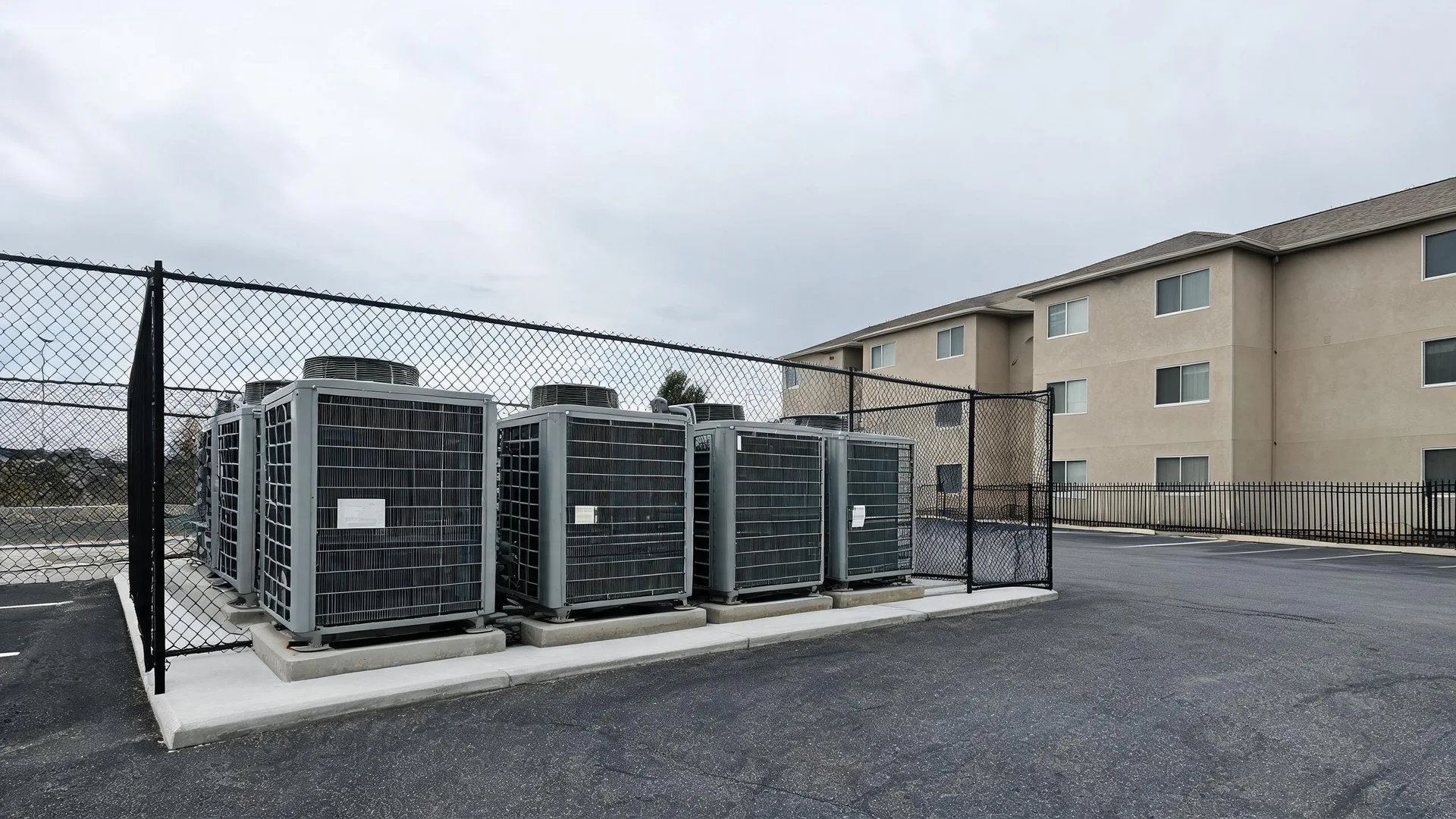
The panel decides what else the job needs

A heat pump often draws differently than whatever it's replacing, especially if backup heat runs through strip heaters in the air handler. That can call for a larger breaker, heavier wire, or a subpanel that doesn't have room for either. None of that shows up until an electrician checks the panel, and it can change the bid once it does.

Sizing a heat pump starts with heat loss and heat gain, how fast a house loses warmth in the cold and picks up heat in the summer. That number comes from the windows, the insulation, the square footage, which way the walls face. A contractor measures the rooms and runs that calculation rather than guessing from the old unit's tonnage, because the old unit may have been wrong from day one. The output has to match what the house actually loses and gains, not round up for safety. A unit sized too large blasts the space to temperature and shuts off before it finishes pulling humidity out of the air, so the house feels cool but damp. A unit sized too small runs nonstop on the coldest and hottest days and still falls behind. Getting it right means the system runs long, steady cycles that hold the temperature and keep the air dry, instead of short bursts that wear the compressor without doing the job.

Install day usually starts with the old equipment coming apart, then moves to setting the new outdoor unit on its pad and the indoor coil or air handler into place. The line set gets connected, pressure tested, then pulled into a vacuum to clear out air and moisture before any refrigerant goes in. Skip that step or rush it and moisture sits in the system, which leads to compressor trouble down the road. Electrical work usually happens alongside that, running new wire or a new breaker if the panel calls for it. Once everything is connected, the system gets charged to the manufacturer's spec and run through its paces, heat and cool, so the technician can check temperatures at the vents and confirm it's pulling the right amperage. A thermostat gets set up last, since a mismatched or poorly placed one can throw off how the system cycles from the very first day.