Heat pump vs furnace in Sebastian County, Arkansas

Find a Local Installer

Get a price before you decide

A person's arm in a light blue shirt reaches to adjust a round white and black thermostat mounted on a dark blue wall, with a living room containing a houseplant, television and wooden console visible through a doorway and a tool bag with screwdrivers on the floor below.

Tell us about the job

Takes about a minute. No obligation.

New system or replacementSebastian County, AR
Step 1 of 3

What kind of equipment?

Which costs less to run in Sebastian County?

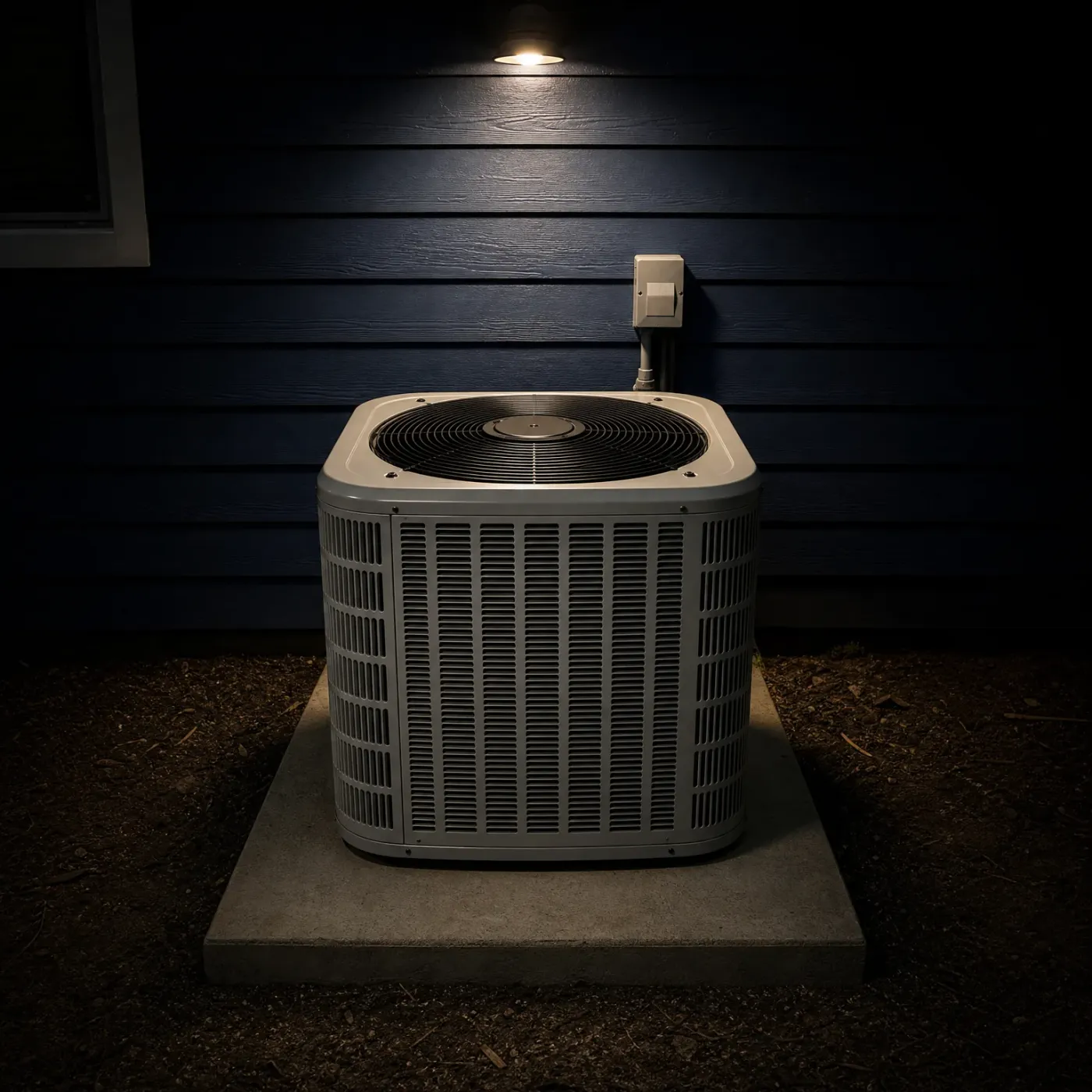
A gray outdoor condenser unit on a concrete pad beside a dark blue horizontal-lap sided wall at night, lit by a wall-mounted light above, with an electrical disconnect box on the wall behind it.

Heat pump

To heat your home here$1.64per 100,000 Btu

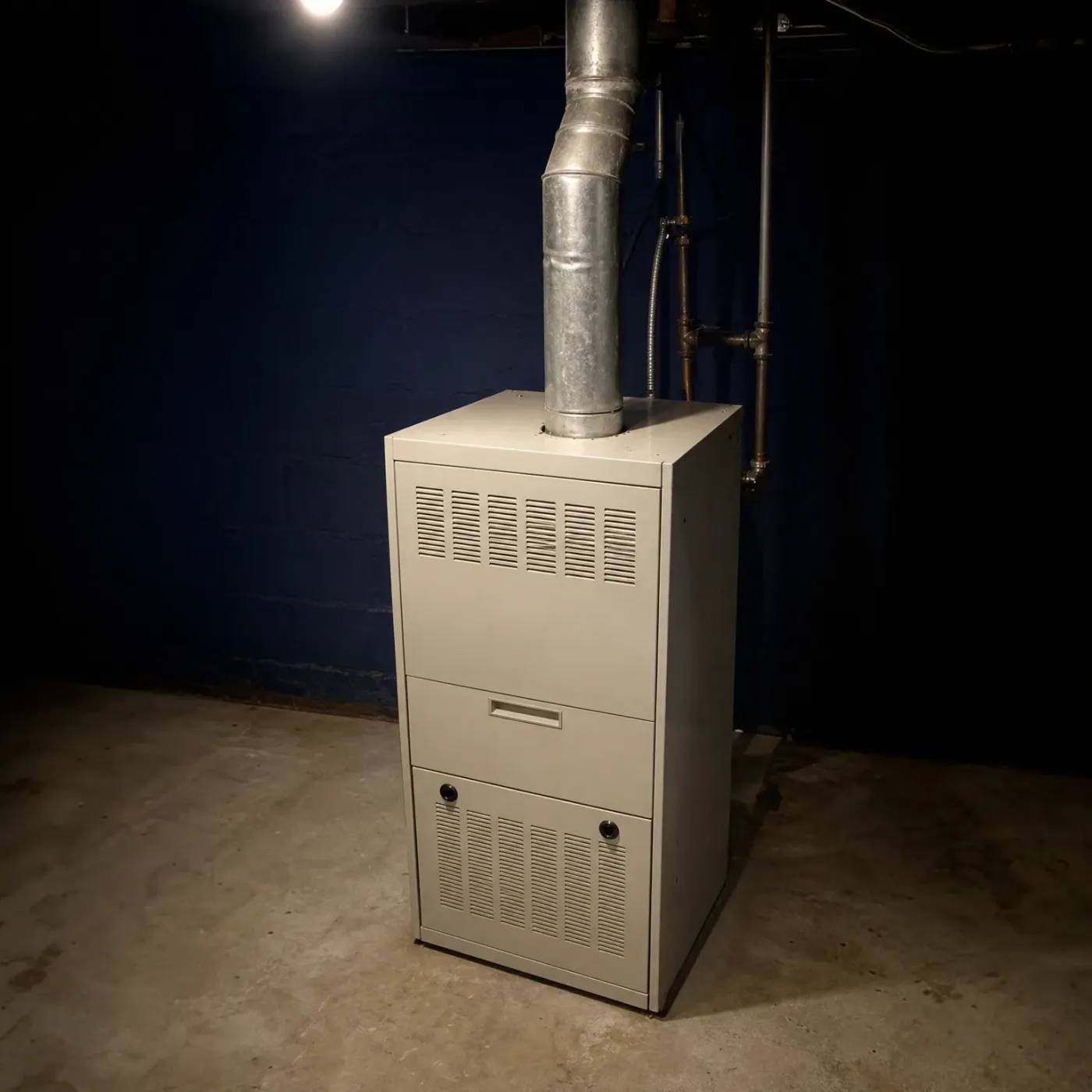
A beige residential furnace with louvered panels stands on a concrete basement floor against a dark blue painted block wall, with a galvanized metal flue pipe rising from its top and copper and steel pipes along the wall.

Furnace

To heat your home here$1.97per 100,000 Btu

At Arkansas's gas and electricity prices, a heat pump makes the same heat as a gas furnace for about 17% less.

Btu stands for British thermal unit, the standard measure of heat energy.

Where does a heat pump shine?

  • Covers a long cooling season

    Cooling runs May through September here, and a heat pump handles both sides of that job with one system. It's not sitting idle most of the year waiting for a few cold weeks.

    A covered wooden porch with a glass of iced tea on a round mesh table, a wicker sofa with navy cushions, a patterned blue rug, a wooden rocking chair, potted plants, and a ceiling fan, with green trees beyond.
  • Steady, even comfort

    Instead of short bursts of heat, it keeps a gentle, steady output going. The house stays at one comfortable temperature.

    A golden retriever sleeps on a woven rug in a living room with a navy plaid armchair holding an open book and a gray fringed throw, beside a dark fireplace, potted plants, a lit table lamp and mug, and a frosted window at night.
  • No gas line, nothing burning in the house

    There's no gas line to the unit and no flame anywhere in it. Carbon monoxide isn't part of the picture.

    A kitchen with a navy blue island topped by a white stone counter holding a black induction cooktop, a white kettle, green apples on a wooden tray and a blue striped towel, with pale grey cabinets, a window, a potted plant and a wooden stool nearby.

Where does a furnace shine?

  • Fast, strong heat on demand

    Turn the heat up and the furnace answers right away. There's no long wait for the house to catch up.

    An entryway with a navy glass-paned door showing snow outside, snow-dusted boots on a woven jute rug, a wooden bench with a steaming blue mug, sheer curtains by a window, and a floor vent in the slate tile.
  • Pairs with any central AC

    The ductwork that delivers heat in winter delivers cool air in summer once an AC coil is added.

    A rectangular metal floor vent set into a wood floor near a window with sheer white curtains and a blue paneled door at right.
  • Proven, simple, easy to get serviced

    Gas furnaces have heated homes for generations. Almost every HVAC tech knows them inside and out.

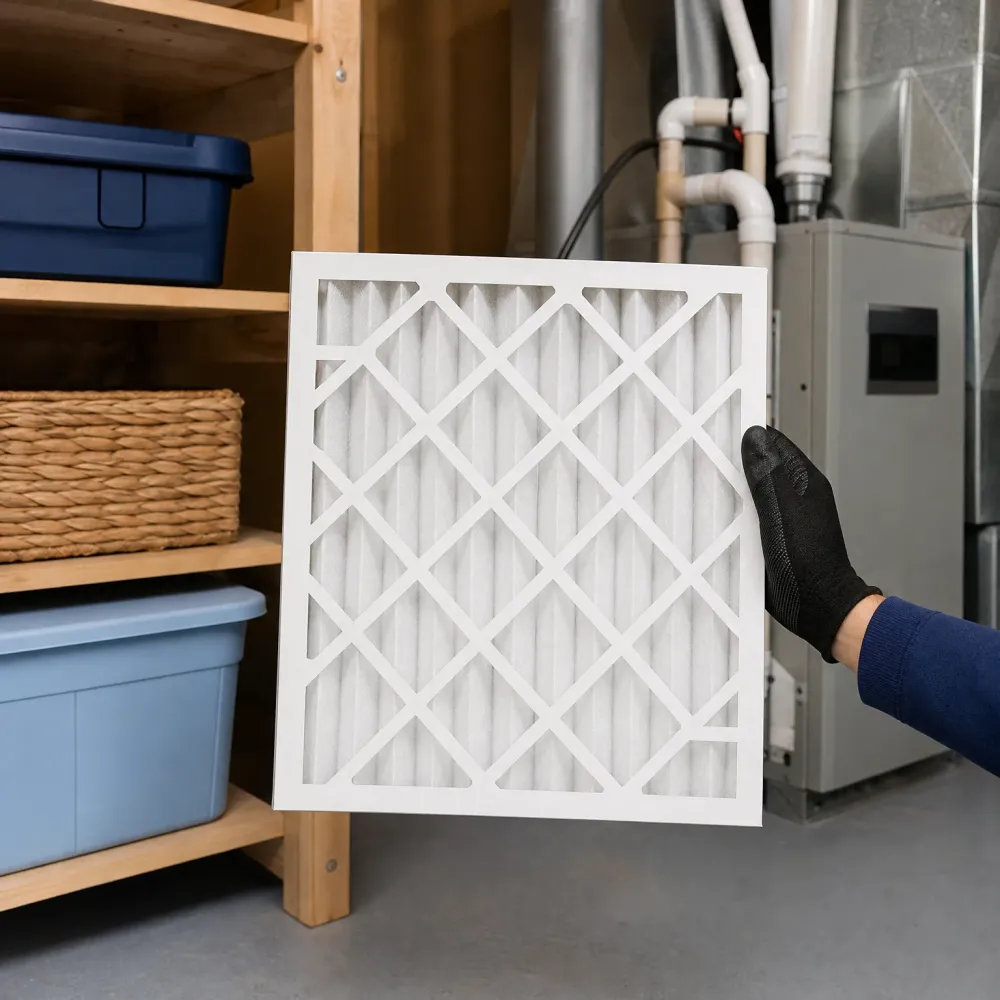
    A gloved hand holds a white pleated air filter upright in a basement utility area, with wooden shelving holding storage bins and a basket on the left and furnace ductwork and piping on the right.

What winter here asks of a heat pump

Your furnace or heat pump runs six months a year here, November through April, longer than the five months you'll run the air conditioner. Whatever you choose carries most of the job of keeping the house comfortable.

The overnight low averages 31°F across December, January and February, and it drops to freezing or below on about 65 nights a year. That average sits below both marks that matter for a heat pump: under 40°F a standard heat pump's output falls short of its rating, and under about 35°F it often needs backup heat to make up the difference. So on a typical winter night here, a standard heat pump is working below its rating and may be leaning on backup heat to keep up.

That is not the same as saying it can't heat your house. The overnight low reaches 0°F or below on fewer than one night a year here, and almost none of the 65 cold nights get near that. A two-winter field test of cold-climate heat pumps in occupied homes found backup heat supplied only a small share of the heat between 0°F and 35°F, and running on backup alone was rare even above 0°F. Your coldest nights sit inside the range those units handled mostly on their own.

A heat pump built only to the federal minimum is the one that struggles once it drops below 35°F. One carrying the ENERGY STAR Cold Climate mark has to prove, under third-party testing, that it still makes at least 1.75 units of heat for every unit of electricity at 5°F and holds at least 70 percent of its warm-weather capacity at that temperature. If you're buying a heat pump for this county, that rating is what tells you whether it was built for nights like yours or only for milder ones.
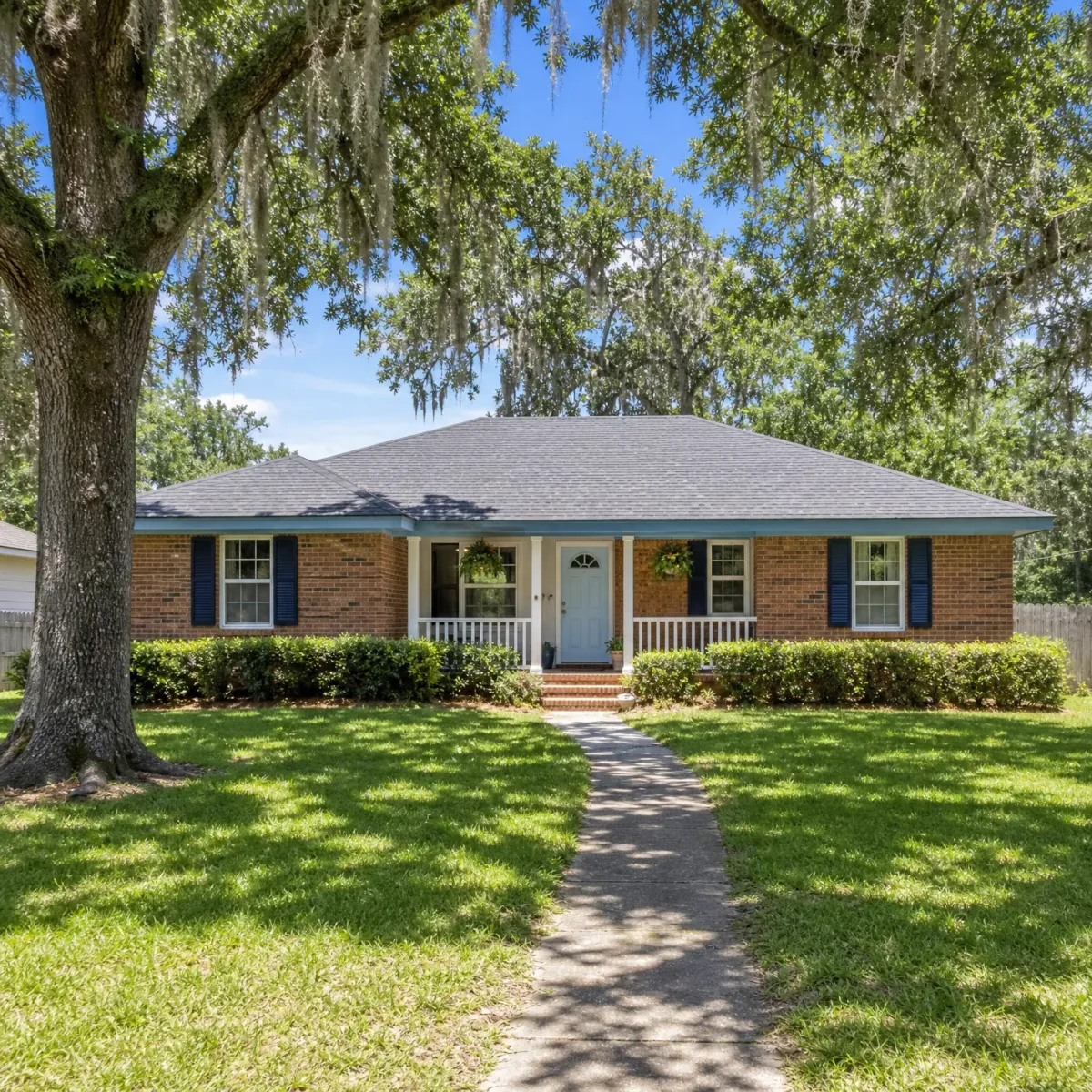
Single-story brick house with blue shutters, a small covered front porch with white railings, and a concrete walkway crossing a lawn shaded by a large oak tree.

What it costs to run, and what each one is for

At Arkansas's current prices, a heat pump makes the same heat for about 17 percent less than a gas furnace, $1.64 against $1.97 per 100,000 Btu. That gap is there before counting the cooling season, where the same heat pump is already doing the job of your air conditioner for the five months a furnace does nothing.

A furnace only heats. It has no role in the six months of the year heat isn't running here, while a heat pump works that stretch too, including the roughly 75 days a year that reach 90°F or above. A furnace paired with separate central air is two systems, each built for one job. A heat pump is one system built to do both, at a lower running cost for the heat side, as long as it's sized and rated for a county where winter is the longer season.

Just over half the homes here heat with electricity already, and just under half heat with gas, so neither choice is unusual in this county. What should decide it is whether the equipment going into your house, heat pump or furnace, is matched to a winter that averages 31°F and dips to freezing on about 65 nights, not to a milder one somewhere else on the spec sheet.

Sources: NOAA nClimDiv · NOAA 1991–2020 seasonal normals · Census ACS 2020–2024 · EIA SEDS 2024 · 10 CFR 430.32 · PNNL Building America guide · PNNL-37127 field study · ENERGY STAR product criteria

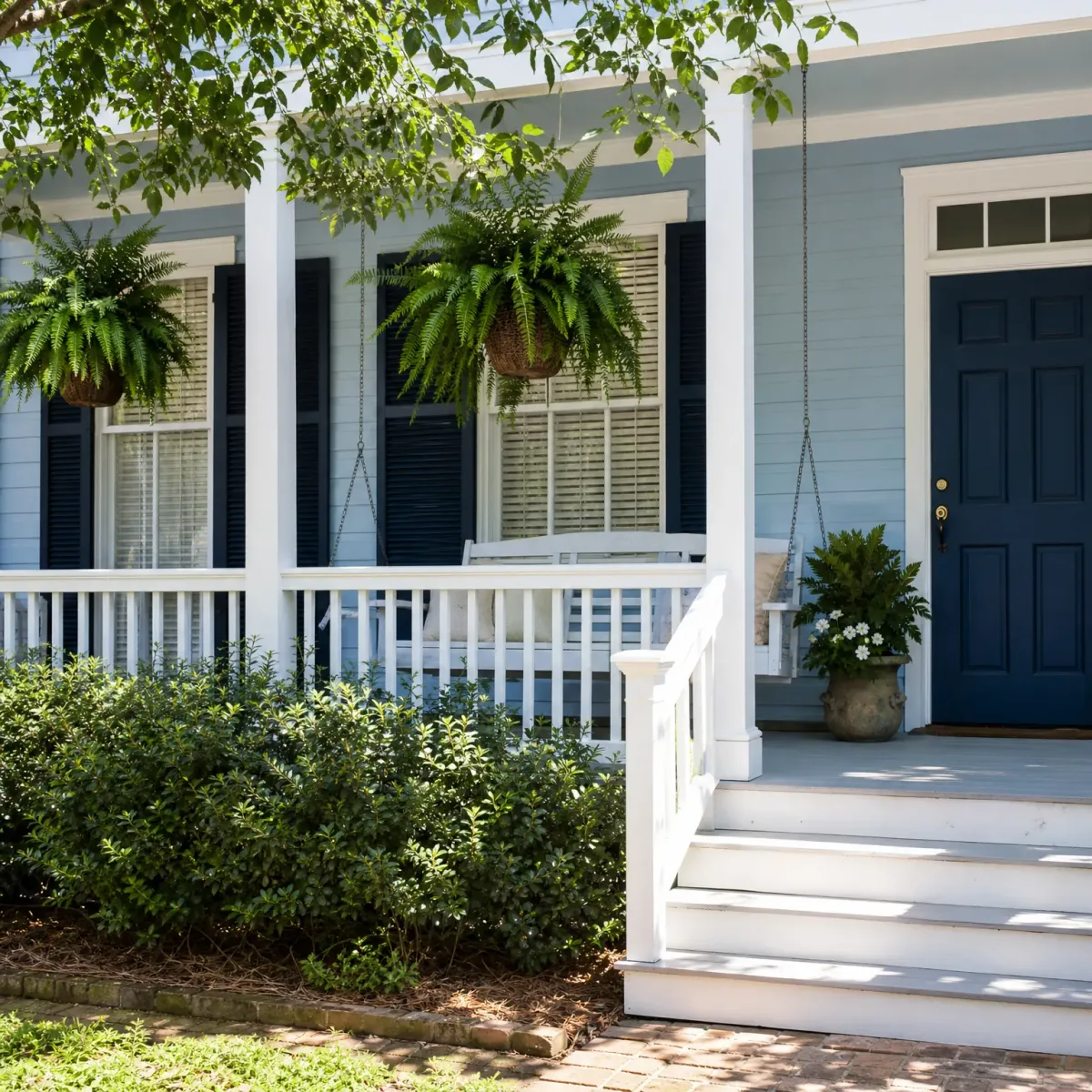
Front porch of a light blue wood-sided house with white columns and railing, a navy paneled front door, hanging ferns, a porch swing, potted plant, white steps, and trimmed shrubs along a brick walkway.

Common questions about heat pumps and furnaces

  • Can a heat pump heat a house through an Arkansas winter?

    Yes, but it runs into limits a furnace doesn't. Below 40°F a standard heat pump puts out less than its rated capacity, and below about 35°F it often leans on backup heat. The overnight low here averages 31°F across December, January and February, and about 65 nights a year drop to freezing or below, so a heat pump here is working below both of those marks on a lot of winter nights. Almost none of those nights reach 0°F, which is the range where cold-climate models still perform well.

  • Will a heat pump keep my house cool enough here?

    Yes. Cooling doesn't ask much of a heat pump that it doesn't already do well, since a heat pump cools the same way a central air conditioner does. Sebastian County reaches 90°F or above on about 75 days a year, and that's ordinary territory for either machine.

  • Can I keep my furnace and add a heat pump?

    Yes, and in Sebastian County it solves the one weak spot a heat pump has here. A standard heat pump's output falls below its rating once it's under 40°F outside, and it often needs backup heat below about 35°F. Your winter low here averages 31°F, so keeping the furnace as backup means it only has to run on the coldest nights instead of carrying the whole season.

  • Is a heat pump cheaper to run than a furnace in Sebastian County?

    Yes, a heat pump costs less to run here. At Arkansas's average fuel prices, a heat pump makes 100,000 Btu of heat for $1.64 against $1.97 for a gas furnace. That's with both machines built to the federal minimum, and it's before adding anything for the backup heat a heat pump often needs on the coldest nights.