






A illuminated white antebellum-style house with a wraparound porch, white columns, and Spanish-moss-draped oak trees, photographed at dusk.

Furnace Installation in Fort Smith, AR

Tell us about the job

Takes about a minute. No obligation.

New system or replacementFurnace or heatingSebastian County, AR
Step 1 of 2

What ZIP code is the job in?

Sebastian County saw 206 severe weather events between 2015 and 2024, damaging wind in most of them. A new furnace install is a good time to think about what happens when the power goes out, not just how the furnace runs day to day. Close to a quarter of Arkansas households lost power for a day or more in 2024. A standard furnace needs power for its thermostat and blower, so no power means no heat no matter how new the unit is. Ask the installer about backup options while the job is already being planned.

6 months
November through April, your furnace is on duty
31°F
the average winter night it heats against
80% AFUE
the federal minimum any new unit must meet
Isometric line illustration of a cutaway house showing interior rooms with furniture and a furnace with ducting and a flue pipe extending through the roof.
Your furnace works hardest from November through March.

NOAA nClimDiv, 1991–2020 normals

Electricity here runs $36.10 per million Btu, below the national average.

A high-efficiency furnace still costs more up front, and it takes longer to earn that back on a lower rate.

Most homes here already heat with electricity

52.4% of homes heat with electricity
Heat runs November through April
Winter nights average 31°F

Furnaces here run about six months a year, November through April. Overnight lows average 31°F through the coldest stretch, which is cold but not extreme, so the furnace isn't pushing to keep up with single-digit nights the way it might further north. That shorter, milder season means less wear over the years. A mid-efficiency unit that's sized right and installed well will do the job without needing to be the highest-output model on the lot. Put the money saved there toward something that holds up when a winter storm takes the power out, since that's happened ten times in the county over the past decade.

Meet the standard here

A new system here has to meet this region's minimum efficiency, which limits what can go in.

Find a contractor
A man in a dark jacket, cap and tan work pants carries a canvas tool bag up stone steps toward a navy front door, with a potted shrub beside the entry.
A gas furnace with attached ductwork, gas piping, and condensate lines installed in a concrete-block basement.

Get it in before November, not during it

Heat starts in November here and runs through April. Install before October ends and the job happens when you have time to compare quotes and ask questions. Wait until the first cold snap and you're choosing from whoever can get a truck out that week, on their timeline.

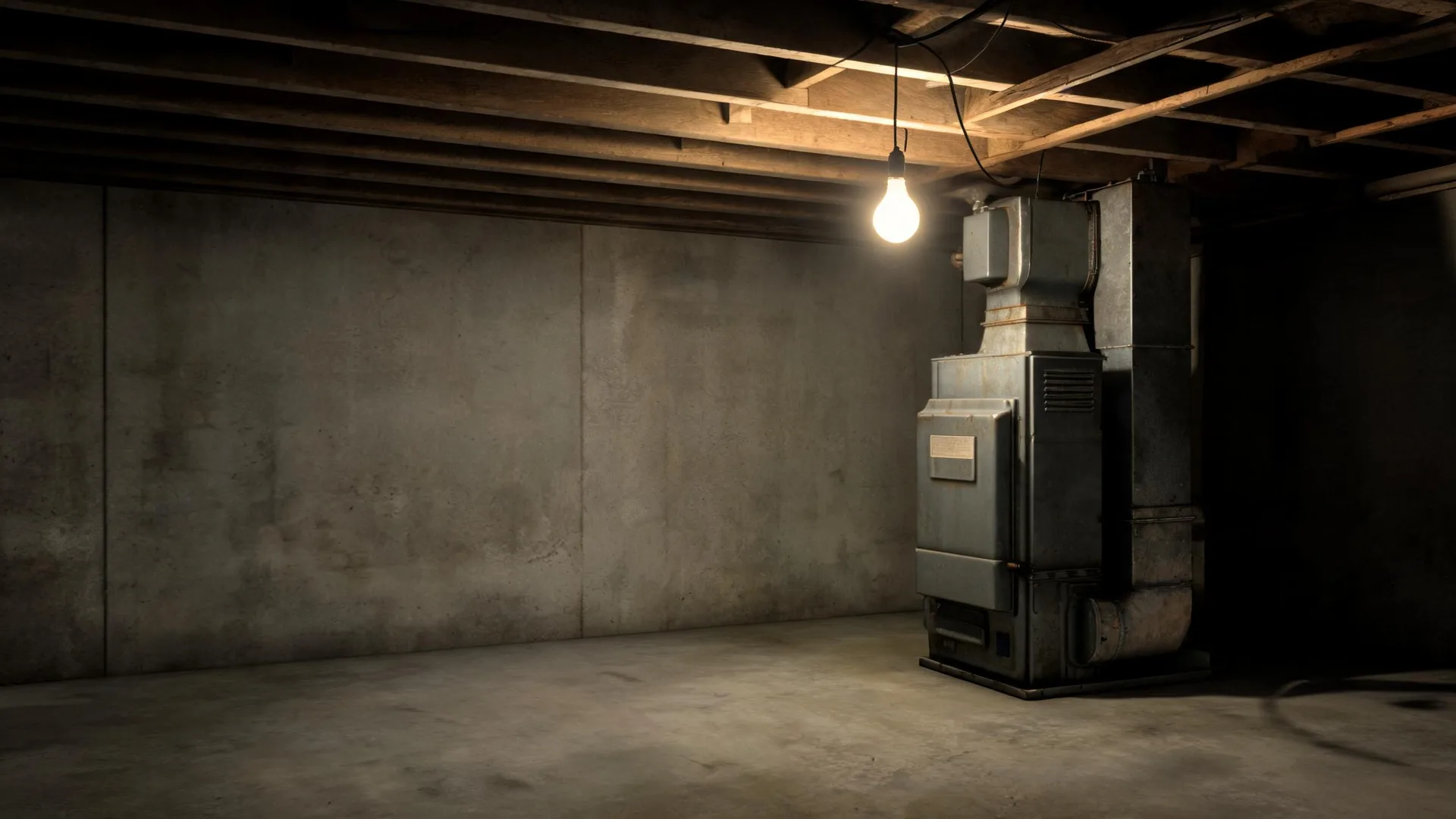
The old furnace gets disconnected and removed

The installer shuts off gas and power to the old unit, disconnects the vent or flue, and takes the furnace out of the house. A furnace left sitting unhooked is a hazard, not a spare part, so none of this gets left partway done.
What stays and what doesn't

Ductwork, thermostat wiring and the gas line often stay if they're in good shape and sized right for the new furnace. The vent pipe usually doesn't carry over to a higher-efficiency model, since those vent differently and need their own setup. Ask the installer to walk through what's being kept before the job starts, so there's no surprise about what counts as extra work.

Sizing a furnace comes down to a load calculation, not the square footage of the house. The installer measures each room, checks the windows and insulation, and figures out how much heat escapes on the coldest day, then matches that number to a furnace output. Skip that step and go by the old unit's size or a rule of thumb, and the new furnace can end up wrong in either direction. Too big and it heats the house fast, shuts off, then starts again a few minutes later, which is hard on the heat exchanger and the blower motor over the years. Too small and it runs constantly on cold days and still can't hold the temperature. A furnace sized right runs longer, steadier cycles and wears evenly, which is what actually makes it last.

Installation day starts before the new furnace ever comes off the truck. The installer walks the space, checks the venting path, and confirms the gas line and electrical hookup match what the new unit needs. The old furnace comes out first, gas and power shut off before anything gets disconnected. Once the new furnace is set in place, it gets tied into the ductwork, the vent, the gas line, and the thermostat wiring, then the gas gets turned on and the system fires up for testing. The installer checks the flame, the airflow at the registers, and the rise in temperature across the furnace to make sure it matches what the manufacturer specs call for. Before they leave, the furnace should be running a full cycle with you watching, not just sitting there warm.