







A red brick single-story house with a covered porch and adjacent cream-sided houses behind a trimmed hedge and lawn, framed by large oak trees draped with Spanish moss under an overcast sky.

Heat Pump Installation in Texarkana, AR

Tell us about the job

Takes about a minute. No obligation.

New system or replacementHeat PumpMiller County, AR
Step 1 of 2

What ZIP code is the job in?

Most homes in Miller County heat with electricity, 58.3% of them. A heat pump fits right into that picture, since it runs on electricity too and does the job a straight electric furnace or baseboard heat does, but for less. Gas heats 36% of homes here, and that split matters if you're deciding between a heat pump and a furnace replacement. If your home already has electric heat, going to a heat pump is a straightforward swap, not a rework of how the house gets its energy.

5 months
November through March, your system heats
5 months
May through September, it cools
36°F
the average winter night it heats against
92°F
the average summer afternoon it cools against
Isometric line illustration of a cutaway single-story house showing interior ductwork, an indoor air handler unit, and an outdoor condenser connected by refrigerant lines, with a dark shingled roof.
Your system heats November through March and cools May through September.

NOAA nClimDiv, 1991–2020 normals

Arkansas electricity runs 12.32 cents a kilowatt-hour, below the national average.

A high-efficiency heat pump still costs less to run here, but it takes longer to earn back the difference in price.

October is when to put in a heat pump here, before it has to work

Cooling runs May through September
Heat runs November through March
Power costs 12.32 cents a kWh statewide
Weather a heat pump here has to stand up to91 severe weather events hit Miller County between 2015 and 2024.

A heat pump that's too big will cool or heat the house fast, then shut off, then kick on again a few minutes later. It never runs long enough to pull moisture out of the air in summer, so the house feels clammy even at the right temperature. One that's too small runs constantly and still can't keep up on the coldest or hottest days. Getting the size right means a contractor does a load calculation on the house itself, room by room, looking at square footage, window area, insulation, and ceiling height, not just matching whatever size the old system happened to be. A unit swapped in at the same tonnage as the last one can be wrong if the old one was never sized correctly either.

Get the sizing right. The efficiency rating matters less here

A heat pump here still costs less to run than the system it replaces, even with electricity at 12.32 cents a kilowatt-hour. At that rate, the top-efficiency model just takes longer to pay for itself. That makes sizing and installation the thing to get right, more than the number on the sticker.

Find a contractor
A man in a cap, olive shirt and dark pants carries a canvas tool bag up concrete steps toward a dark blue front door, with a potted shrub beside the entry.
A gray air-source heat pump mounted on a concrete pad next to a house with gray vinyl siding, surrounded by gravel and flanked by green shrubs and white hydrangea flowers.

The sticker number assumes everything else was done right

The rating on that label is measured in a lab, at a set outdoor temperature, not the range a heat pump actually sees over a year of running hot and cold. A higher rating generally means the compressor can slow down and run long and low instead of switching on and off at full blast, and that steadier run is what makes the house feel even and what keeps the electric bill down. But that number assumes the rest of the job was done right. Put a high-efficiency unit on ductwork that leaks or runs too small, and it will never get near the number on the sticker, because the lab test didn't have to push air through your attic. The rating describes the equipment. It doesn't describe the installation, and the installation is what decides whether the house ever sees that efficiency at all.

The old equipment gets hauled away

Whoever installs the new heat pump disconnects the old unit and takes it with them, indoor coil and outdoor unit both. The refrigerant gets recovered first, not vented, since it's against the law to release it into the air. A licensed contractor has the equipment to pull it out of the lines before anything gets disconnected.
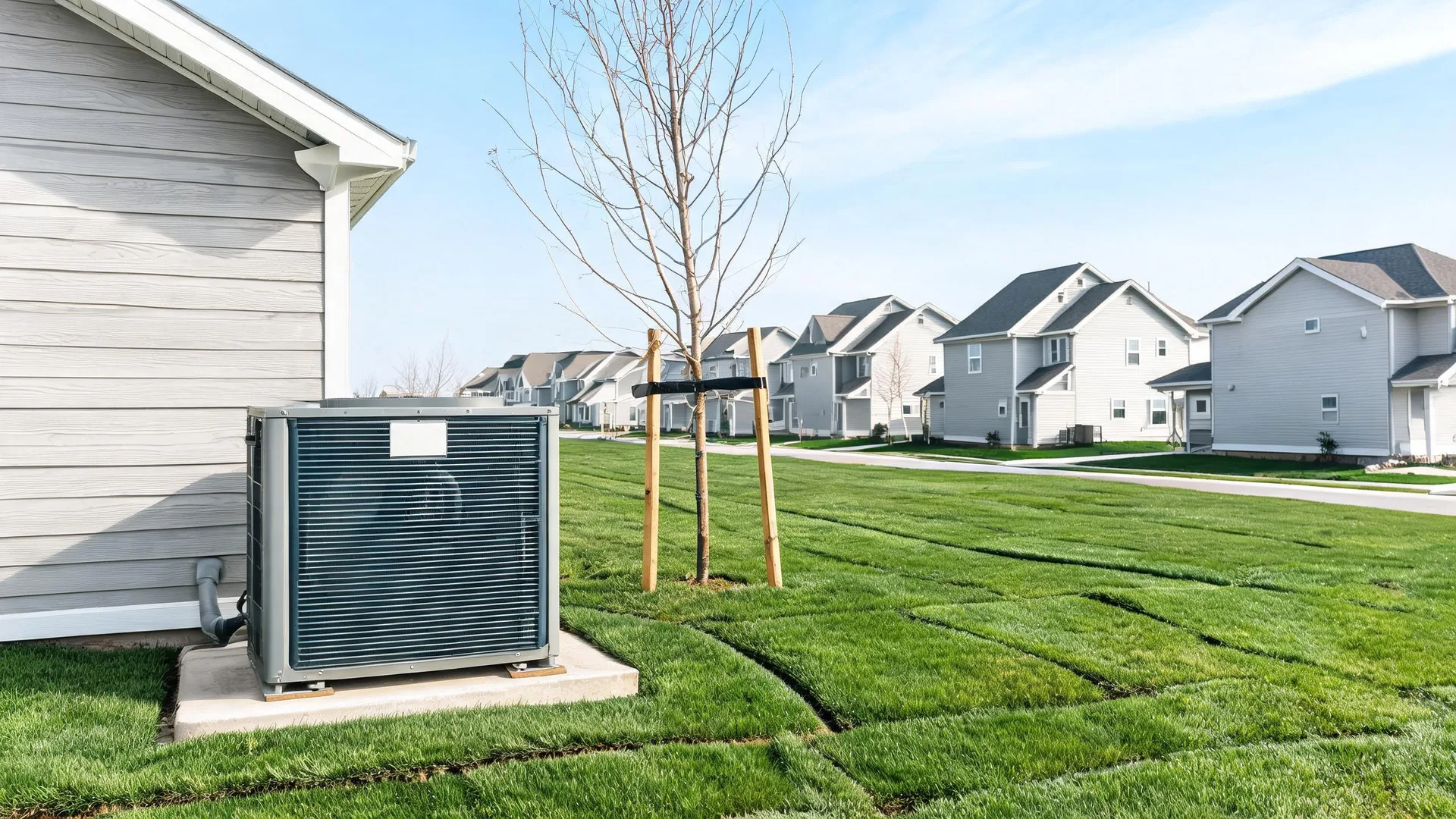
The old furnace or air handler may or may not go too

If a heat pump is replacing straight electric heat or a furnace paired with an old AC, ask what happens to the air handler itself. Sometimes it gets swapped along with the outdoor unit so the whole system matches and runs the way it's supposed to. Sometimes the existing air handler stays and only the outdoor compressor changes. Either way works, but it's worth knowing which one you're getting before the job starts, not after.

Ask what the installer plans to do with the ductwork, not just the equipment sitting outside. A heat pump moves more air across the coil than a furnace does in heating mode, so ducts that were fine before can end up undersized or leaky enough to matter now. Ask whether the refrigerant line set is new or reused from the old system, since an old line set can be the wrong diameter for the new unit. Ask how the thermostat is being handled, because a heat pump needs one built for it, not a leftover furnace thermostat that doesn't know how to run backup heat strips. And ask who is doing the load calculation, because a number pulled from a quick walkthrough isn't the same as one pulled from measuring the actual rooms.

Installation day starts with the old system coming out, not the new one going in. The crew disconnects the indoor and outdoor units, recovers the refrigerant, and clears the pad or the closet before anything new gets set. Setting the outdoor unit and mounting or connecting the indoor coil is often the fastest part of the day. Running the line set, sealing the ducts, and wiring in a new thermostat take longer, especially if the old ductwork needs work to handle what the heat pump moves. Once everything's connected, the contractor charges the system, checks refrigerant pressures against what the manufacturer specifies, and runs it through a full cycle in both heating and cooling before calling the job done. A system that looks finished but was never checked running is not actually finished.