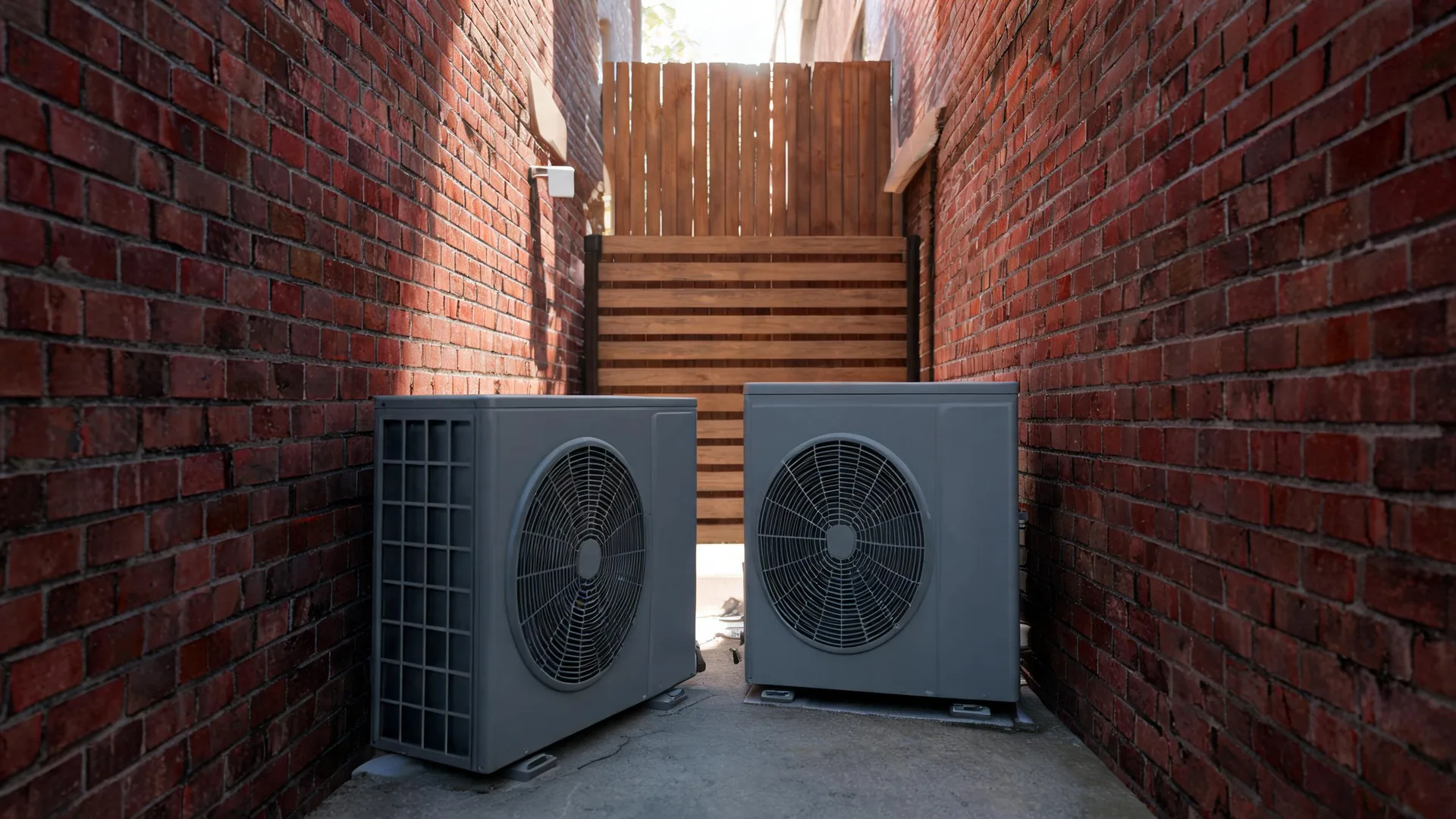
Most homes here run on electric heat already
Electricity heats 59.1% of homes in Johnson County, more than gas and propane combined. A heat pump fits a house wired for electric heat without adding new fuel lines or venting.

Takes about a minute. No obligation.
Electricity heats 59.1% of homes in Johnson County, more than gas and propane combined. A heat pump fits a house wired for electric heat without adding new fuel lines or venting.
If your current system runs on electricity, a heat pump installer is working with the wiring and setup already there. The job is about sizing the new equipment to your house, not reworking how power gets to it.
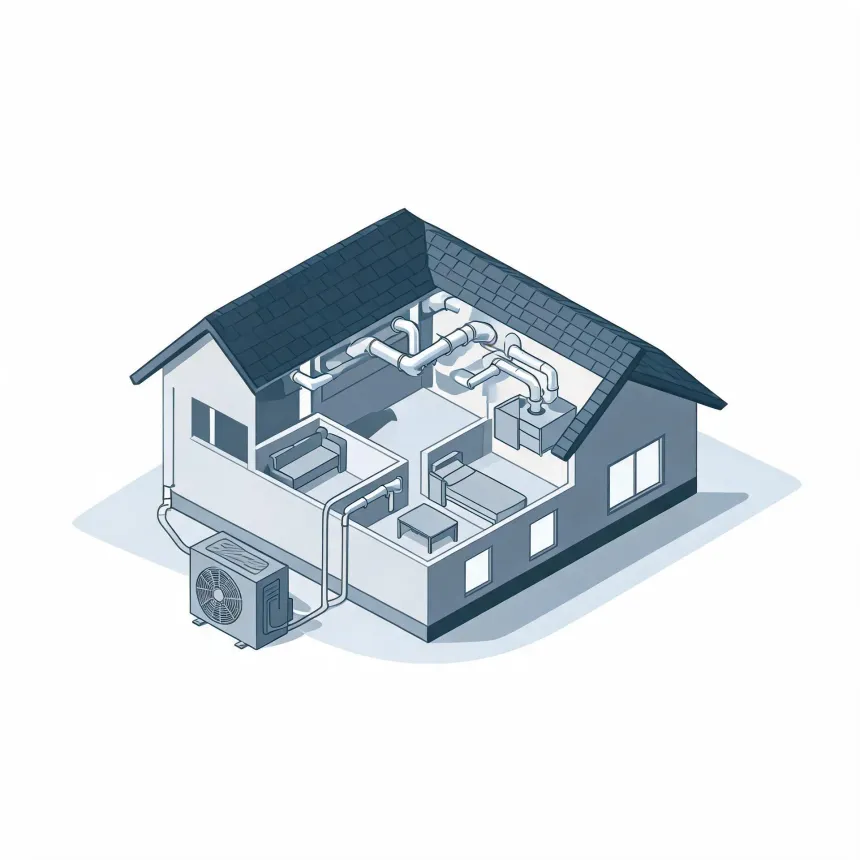
NOAA nClimDiv, 1991–2020 normals
Heat here runs October through April, seven months of the year.
September is the month to get a heat pump installed, so it's ready before the first cold night.



Johnson County sits in zone 3A, a warm, humid climate with a long run of cooling weather and a short, mild winter. That's a normal rating, not an edge case, and it means a standard heat pump sized correctly for your house will keep up in summer and in winter both. There's no need to size up for extreme cold here, and no reason to pay for a higher efficiency tier than your house calls for. The county does see damaging wind, 63 times between 2015 and 2024, so the outdoor unit should go in secured and placed where debris isn't likely to hit it. That's a setup detail, not a reason to change what size or model you buy.
Electricity ran 12.32 cents per kilowatthour here in 2024, cheaper than most places pay. A high-efficiency model still costs more up front, and it takes longer to earn that back when power is already cheap. Put the money into the right size and a solid install instead.
Find a contractorWhatever is being replaced has been cycling on and off for years, and that kind of wear shows up in specific places. A furnace or air handler blower runs down its bearings. A compressor loses a bit of capacity every season it runs, so it works harder near the end than it did at the start. Refrigerant lines, electrical connections and ductwork all stay in place through the swap, but the equipment itself goes. Whoever installs the heat pump should check the existing ductwork for leaks and the right duct size before assuming it can carry the new system's airflow, since old ducts were sized for whatever ran before. The outdoor pad, electrical disconnect and line set may be reusable, but that's a judgment call made on site, not something to assume from the old unit still sitting there.
A heat pump that's too big cools the house fast then shuts off before it pulls the moisture out, so the air stays clammy. One that's too small runs constantly and never quite catches up on the hottest or coldest days. Getting the size right means a load calculation on the actual house, the windows, the insulation, the layout, not just matching the tonnage of whatever is being pulled out.
If the indoor and outdoor units can use the existing line set and the ductwork is already sized to carry enough air, the crew is mostly swapping equipment. If the lines need rerouting, the ducts need resizing, or the electrical panel can't handle the new unit's draw, that's additional work beyond hanging the new equipment. None of that shows up until someone's looked at the house in person.
The efficiency rating on a heat pump's label tells you how much heat it moves for the power it draws. A higher rating means lower running cost over the life of the unit. It doesn't mean the unit heats or cools better, and it doesn't mean it's sized right for your house. Heat pumps with the same rating can perform differently once installed, because ductwork, refrigerant charge and airflow all affect how the equipment actually runs in a real house. The rating comes from a lab test under fixed conditions, not from your attic or your ducts, so weigh it as one factor among others. A correctly sized unit with an average rating will often outperform an oversized or poorly installed one with a high rating.
Installation day starts with the old equipment coming out, not the new unit going in. The crew disconnects the refrigerant lines, pulls the old indoor coil and air handler or furnace, and takes the outdoor unit off its pad. Once the house is down to bare lines and ductwork, they can see what they're actually working with, which is why some of the work gets decided on the spot rather than quoted in advance. Setting the new outdoor unit means leveling the pad, running the line set, and making the electrical connections. Inside, the new coil goes in and the system gets charged with refrigerant to the exact amount the manufacturer specifies, not just filled until it feels right. Before anyone leaves, the system should run through a full cycle, heating and cooling both, so any airflow or charge problem shows up that day instead of during the first cold snap.