Electricity already heats most homes here
Just over half of Jefferson County homes, 52.9%, heat with electricity. A heat pump fits that pattern since it runs on the same fuel most homes already have.

Takes about a minute. No obligation.
Just over half of Jefferson County homes, 52.9%, heat with electricity. A heat pump fits that pattern since it runs on the same fuel most homes already have.
Utility gas heats 41.7% of homes in the county. If your house is one of them, swapping to a heat pump means the contractor is changing the fuel your system runs on, not just the equipment.

NOAA nClimDiv, 1991–2020 normals
The old furnace or AC doesn't get left in place once the heat pump goes in.
Disconnecting it fully is part of the job, not an afterthought left for later.




Half the homes in Jefferson County were built in 1978 or earlier, and half in 1978 or later. That split doesn't call for a bigger heat pump or a smaller one. A contractor sizes the unit to your house, its square footage and layout, not to the year it was built. One thing worth a closer look either way. Mobile homes make up 12.5% of the housing stock here. A heat pump for a mobile home uses different ductwork and mounting than one for a site-built house. If that's your situation, say so up front and make sure the contractor is quoting the right equipment for it.
Jefferson County falls in climate zone 3A, and heat pumps installed here since January 2023 have to meet 14.3 SEER2 for cooling and 7.5 HSPF2 for heating. A new installation is also how you claim the federal tax credit for qualifying heat pumps. Start the form above and a contractor can tell you what qualifies.
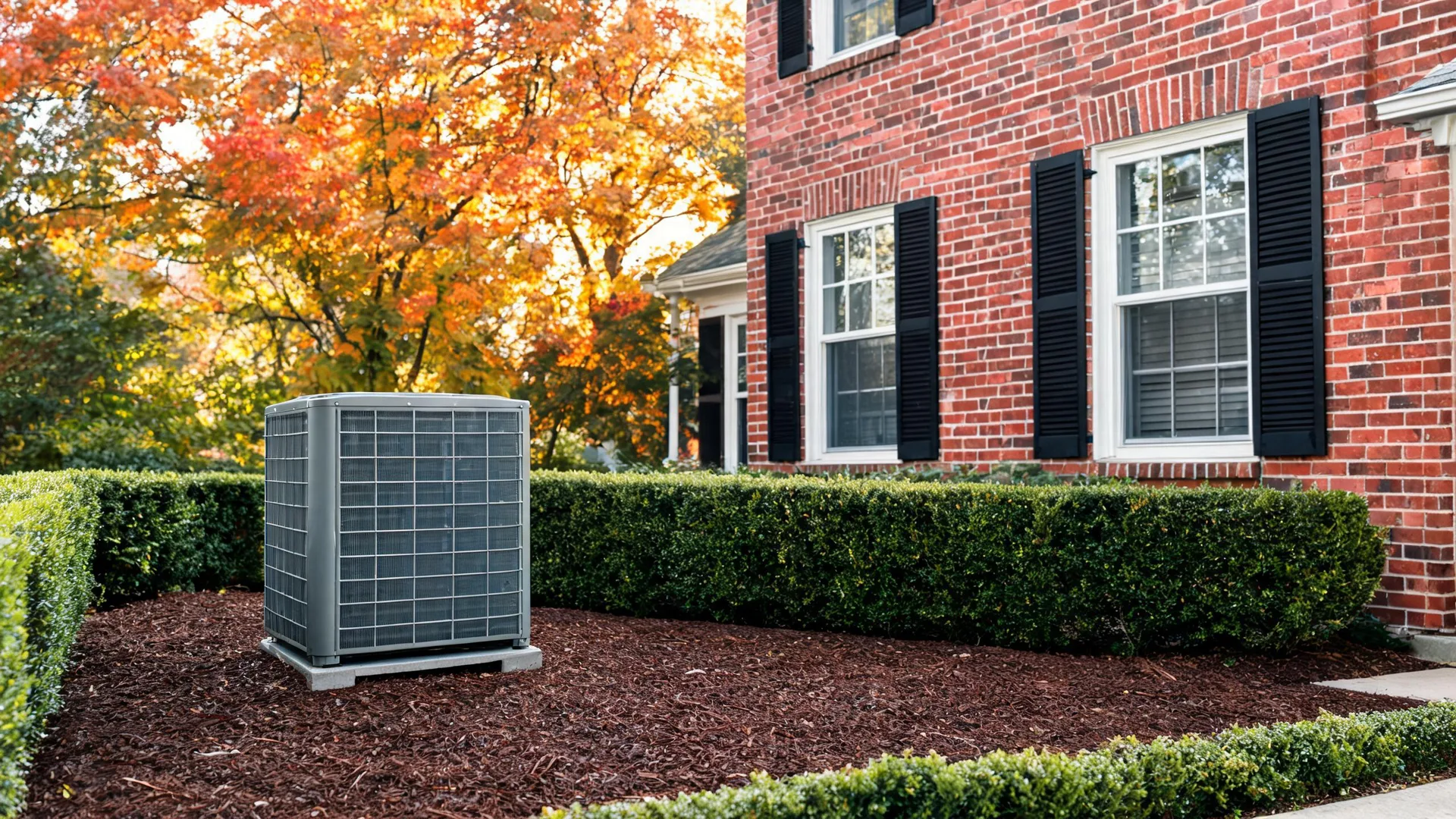
Find a contractorThe unit running next to your house day after day is what makes installation more than bolting on a box. A contractor has to size it to the space it's heating and cooling, run new line sets or reuse what's there if it checks out, and set up the electrical to carry the load. Ductwork condition matters too. Leaky or undersized ducts choke a heat pump's output no matter how good the equipment is, so sealing or modifying them is often part of the job, not separate from it. Where the outdoor unit sits matters as well. It needs clearance to pull air through the coil and a path for condensate to drain, and getting that placement wrong is the kind of thing that costs more to fix later than to plan for up front. The thermostat and controls have to match the equipment, especially with variable-speed systems that step up and down instead of just switching on and off. None of this shows up in a quick glance at the equipment. It shows up in how the job is scoped before anyone touches a wrench.
Every heat pump has a point where it stops pulling enough heat from outside air and leans on backup heat strips instead. That point is different from one model to the next. Ask where it sits for the system you're quoting, not just what the unit does on a mild day.
Sizing a heat pump off square footage alone misses insulation, window count and layout, and an oversized unit short cycles while an undersized one runs constantly without keeping up. A contractor should walk the house and run the numbers, not quote off a tape measure.
Sizing starts with a room by room heat loss and heat gain calculation, not a nameplate swap from the old system. A contractor measures wall and ceiling area, counts windows, checks insulation, and adds up how much heat the house loses in winter and gains in summer. That number, not the square footage, is what the equipment gets matched to. Go too big and the heat pump satisfies the thermostat fast, shuts off, and starts again a few minutes later. Short cycles like that wear out the compressor faster and leave the house colder in some rooms than others because the air never runs long enough to mix evenly. Go too small and it runs constantly, leans on backup heat strips more than it should, and still falls behind on the coldest days. The right size is the one that runs long, steady cycles and keeps up without help most of the time.
Installation day starts with the old equipment coming out and the site getting prepped. Line sets get run new or reused, and either way they get pressure tested before anyone charges the system with refrigerant. The electrical disconnect and breaker get checked against what the new unit actually draws. A heat pump's start up load is not always the same as what the old AC or furnace needed. Once the outdoor unit is set and the indoor coil or air handler is in place, the contractor pulls a vacuum on the line set to clear out moisture and air before refrigerant goes in. Charging it right matters as much as installing it right. Too little refrigerant and the system struggles to pull heat in winter. Too much and it can short cycle or trip on high pressure. The last part of the day is commissioning. That means checking airflow at the registers, setting the thermostat to match the equipment, and running the system through a cycle on both heat and cool before anyone calls it done.