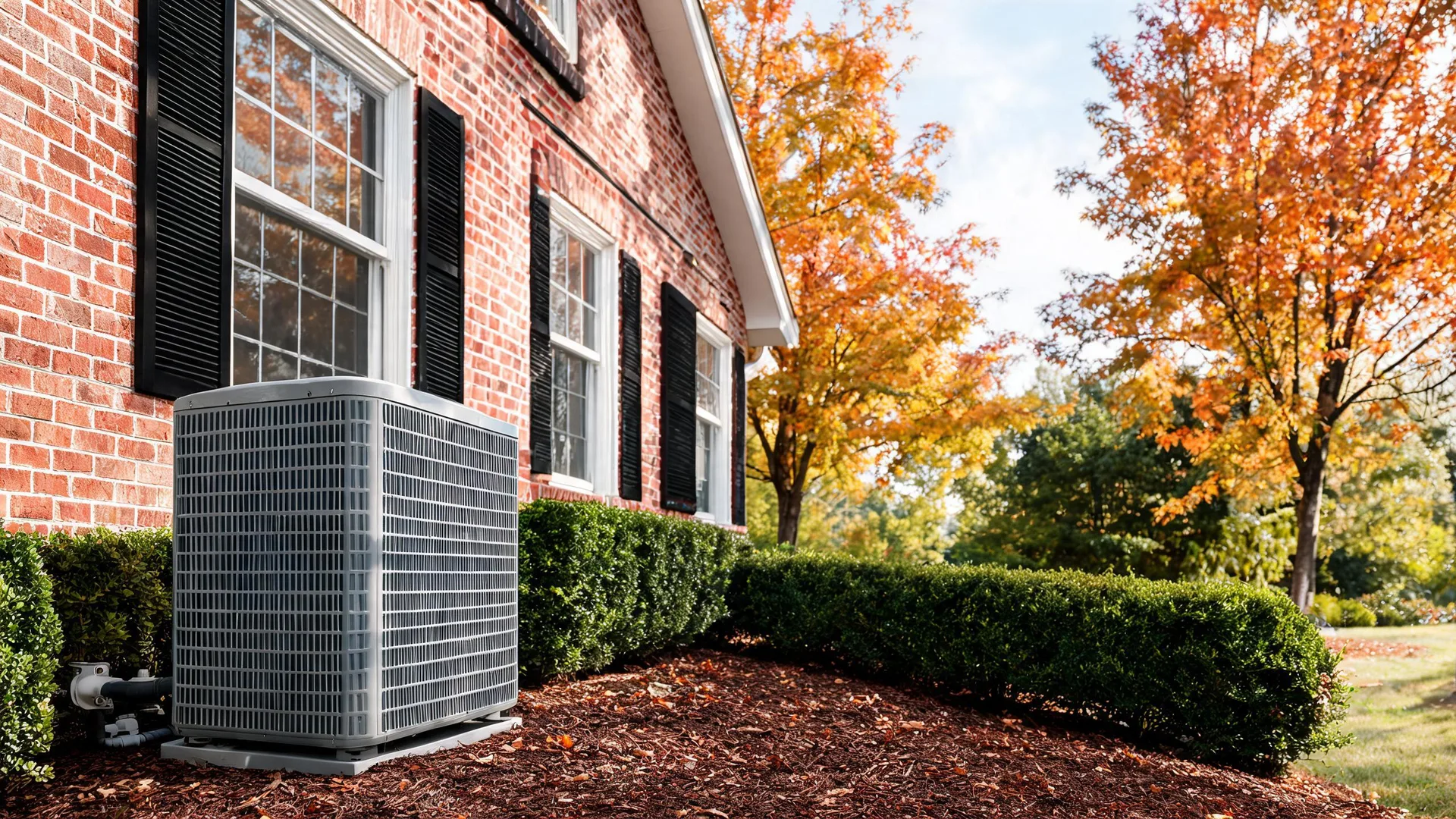
Most homes here run on electric heat
Electricity heats 63.8% of occupied homes in Conway County, with gas accounting for less than a quarter. A heat pump fits that setup directly, since it runs on the same electric service most homes already have.

Takes about a minute. No obligation.
Electricity heats 63.8% of occupied homes in Conway County, with gas accounting for less than a quarter. A heat pump fits that setup directly, since it runs on the same electric service most homes already have.
Installing a heat pump in a home that already heats with electricity means no gas piping to remove or cap off. The job centers on the outdoor unit, the air handler or coil, and the electrical connection between them.

NOAA nClimDiv, 1991–2020 normals
Arkansas electricity runs 12.32 cents a kilowatt-hour, below the national average.
A heat pump still beats electric resistance heat here, but the payback on the top-tier efficiency model takes longer when power is this cheap.



With power this cheap, a mid-efficiency heat pump is worth a real look instead of defaulting to the top-tier model. A contractor can size either one to this house. The gap in the power bill between a good unit and the best one will take years longer to close here than in a state paying more per kilowatt-hour. Put the money where it shows up sooner. A correct refrigerant charge and ductwork that matches the air handler decide comfort and how long the system lasts. The SEER2 number on the sticker matters less than getting the unit sized right for this house.
Any heat pump going in here has to clear 14.3 SEER2 for cooling and 7.5 HSPF2 for heating, Conway County's floor under zone 3A. That's the minimum, not a tier, so it narrows the field before you even start comparing units. A federal tax credit is available on top of whatever you choose, worth asking a contractor about when you size the system.
Find a contractor
Whatever is being replaced did one job. It made heat with a coil or an element, nothing more. A heat pump moves heat instead, so the installer is not just swapping a box in the closet. The old ductwork gets checked before the new unit goes in, because a heat pump moves more air at a lower temperature than a furnace or baseboard heat does. Ducts sized for the old system do not always suit the new one. If a furnace is coming out, it usually comes out entirely rather than staying behind as backup. The electrical circuit feeding the old equipment gets checked too. A heat pump draws power differently than what it is replacing, and the wiring has to match it.
A heat pump's price tracks its size and the condition of what carries the air. A larger outdoor unit and coil cost more outright. If the existing ducts are too small or leaky for the air a heat pump moves, sealing or resizing them adds to the job before the new equipment ever turns on.
The outdoor unit needs clear space around it and a path for the refrigerant lines back to the coil. A straightforward run between a convenient pad and the indoor coil takes less time than one that has to cross a long distance or go through finished walls. Line length and routing shape the labor even before the equipment is picked.
A heat pump that's too big for the house will short cycle, running in quick bursts that cool or heat the air without ever pulling the moisture out. One that's too small runs constantly and still can't keep up on the coldest or hottest days. Getting the size right starts with a load calculation, not the size of the unit being replaced. That calculation looks at the square footage, the windows, the insulation, and how much sun the walls take on, then works out how much heating and cooling the house actually needs. Equipment sized off a rule of thumb or matched to whatever was there before skips that work, and the house pays for it every month the system runs.
The SEER2 and HSPF2 numbers on the label come from lab tests, one unit run at fixed conditions, not your house. A higher number means the compressor and fan can produce the same heating or cooling using less electricity, averaged over a season of weather that may or may not match what the unit actually sees. Homes with the same rated equipment can still see different power bills depending on duct condition, how the system was charged with refrigerant, and whether it was sized to the house in the first place. A top-tier rating on a unit that is oversized or poorly installed will not outperform a mid-tier unit that fits the house and was set up correctly. The rating tells you what the equipment is capable of under ideal conditions. It does not tell you what the installation will actually deliver.