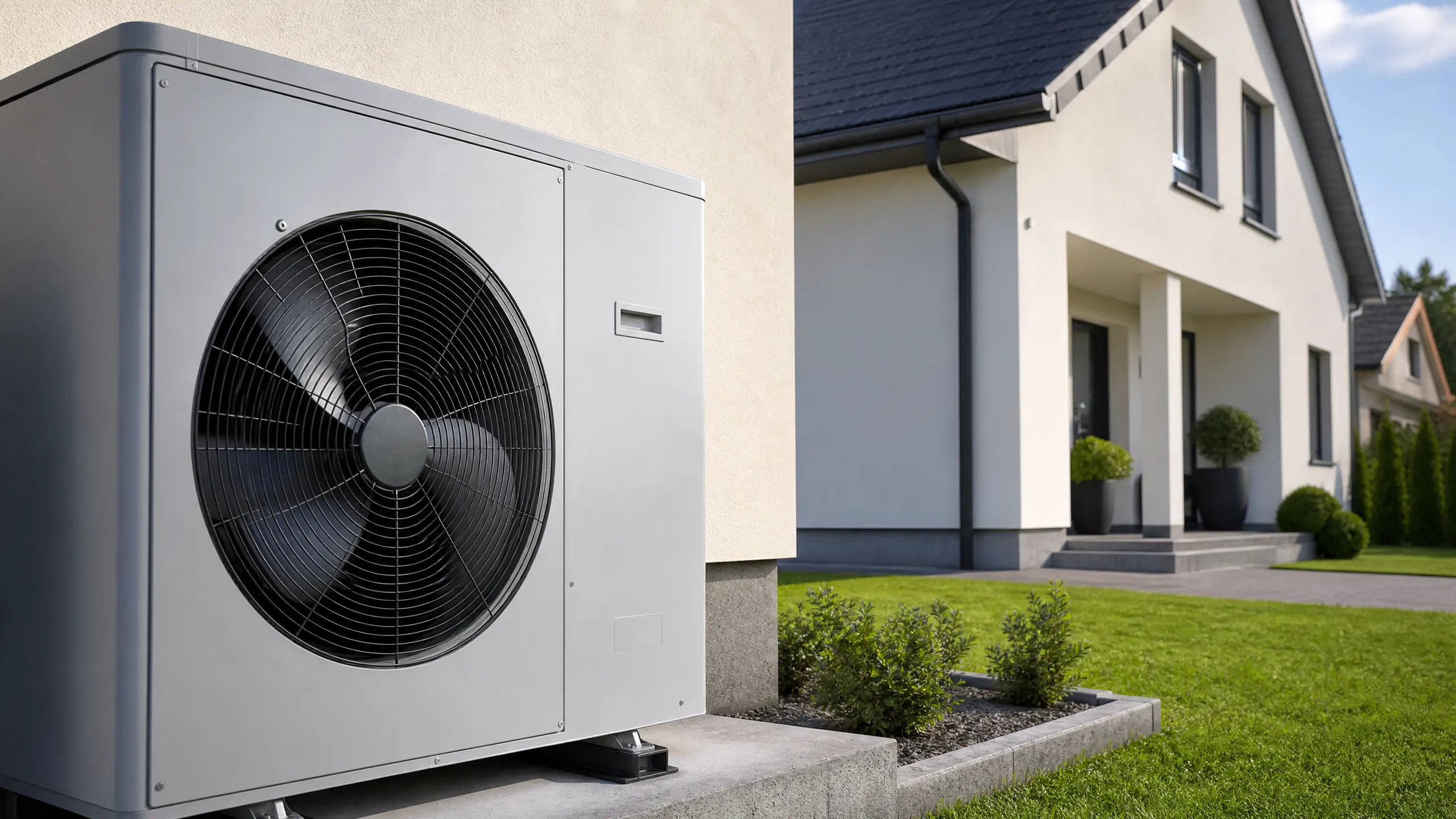






A grey air-source heat pump outdoor unit mounted on a concrete pad next to a modern white-rendered residential house.

Heat Pump Installation in Trumann, AR

Tell us about the job

Takes about a minute. No obligation.

New system or replacementHeat PumpPoinsett County, AR
Step 1 of 2

What ZIP code is the job in?

Poinsett County saw 103 severe weather events between 2015 and 2024, including dozens of damaging wind storms and hail. A heat pump's outdoor unit sits outside year round, not tucked away in a basement, so where it goes and what shields it matters. That's worth working out with your installer before the install, not after a storm. Almost a quarter of Arkansas households went at least a full day without power last year, and a heat pump needs electricity to run in either direction, heating or cooling. Ask what your options are for getting through an outage.

6 months
November through April, your system heats
5 months
May through September, it cools
33°F
the average winter night it heats against
90°F
the average summer afternoon it cools against
Isometric cutaway illustration of a single-story house showing interior rooms, ceiling ductwork connected to an air handler, and an outdoor condenser unit linked by a line set.
Your system heats November through April and cools May through September.

NOAA nClimDiv, 1991–2020 normals

Arkansas electricity ran 12.32 cents per kilowatthour in 2024, cheaper than most of the country.

A heat pump still has to earn its keep here through storms and outages, not just a lower bill.

A normal size, sized right, holds up fine here

Half the homes here were built by 1978
Power costs 12.32 cents a kWh statewide
Climate zone 3A
Install before NovemberHeat runs November through April here, so October is the month to get it done.

Electricity already heats about half the homes in Poinsett County, more than gas or propane. A heat pump fits into that setup without rewiring the house for a new fuel. Gas still heats 40.4% of homes here, and propane another 8.8%, so plenty of homeowners are weighing a switch rather than a straight swap. If electric is already running your furnace or baseboard heat, a heat pump replaces it directly and gives you cooling from the same system. If you're coming from gas or propane, ask your installer what else changes, since the electrical panel and ductwork may need a look before the switch makes sense.

A new system here has to meet zone 3A's efficiency minimum

Any heat pump installed here now has to hit 14.3 SEER2 for cooling and 7.5 HSPF2 for heating at minimum, and the cooling side has to clear that same 14.3 mark since this county falls under the Southeast's higher standard. That narrows what an installer can offer you. A federal tax credit is available to help offset a qualifying system, worth asking about while you're comparing options.

Find a contractor
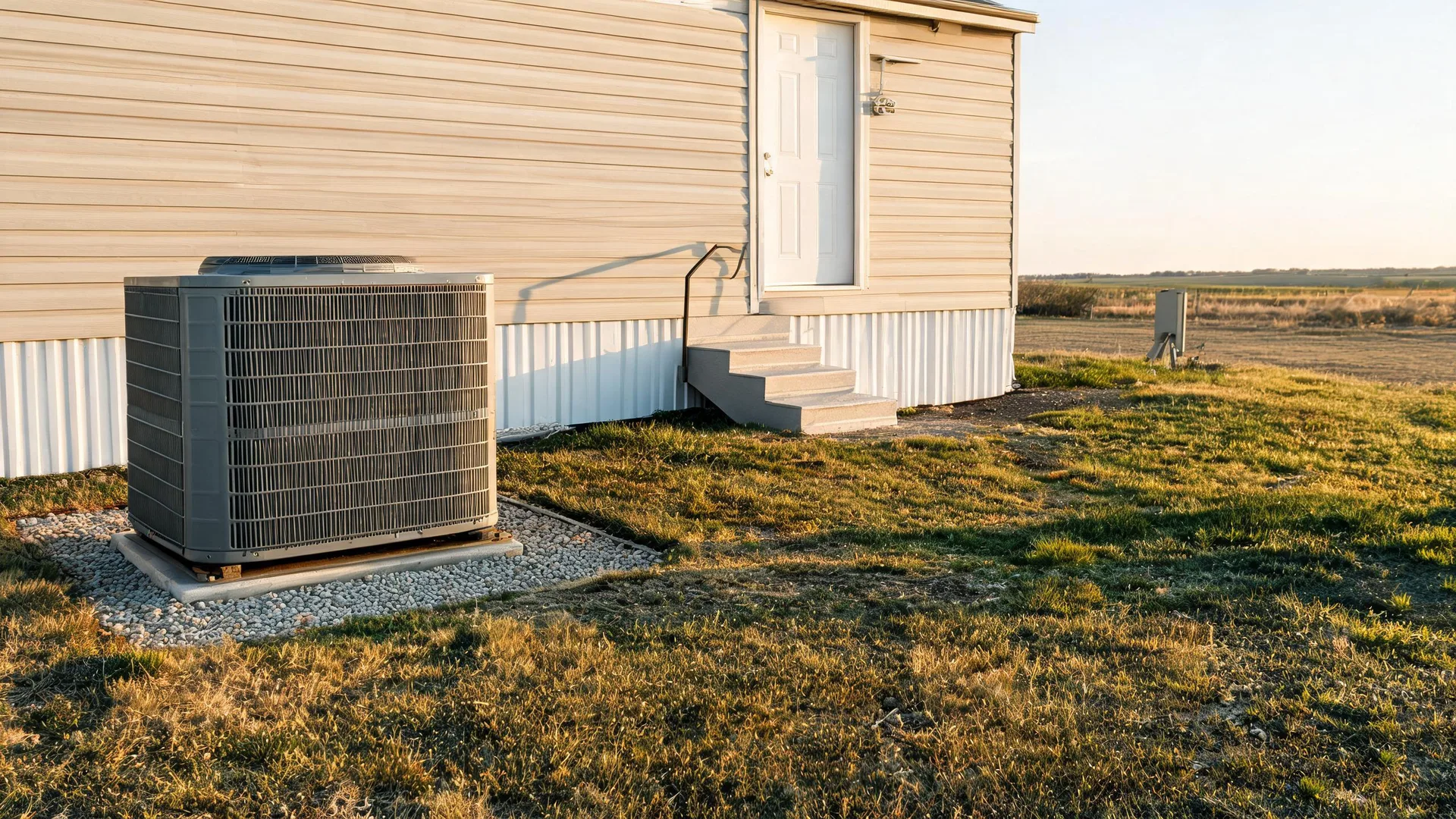
A gray heat pump outdoor unit mounted on a concrete pad next to a residential house with lap siding and stone accents.

Taking out the old equipment

What comes out of the old system depends on what it is. A furnace or air handler gets disconnected from the ductwork and the gas line or electrical circuit feeding it, then hauled out. An old outdoor condenser gets its refrigerant lines cut and the line set capped. If refrigerant is still in there, it has to be recovered properly rather than vented, since releasing it into the air is against the law. Ductwork usually stays, though your installer should check it against what the new system needs. A heat pump moves a different volume of air than a straight furnace did, and old ducts sized for one don't always suit the other. Whatever gets hauled away, ask where it ends up. Scrap metal from the cabinet and coil has value, and a lot of installers recycle it rather than send it to a landfill.

Bigger isn't better here

An oversized heat pump cools the air fast and shuts off before it pulls the moisture out of it, so the house feels clammy even at the temperature you set. It also cycles on and off more, and that start-stop pattern wears on the compressor faster than a system that runs in long, steady stretches.
The size comes from a room by room load calculation

A proper installer figures the size using a load calculation that accounts for the square footage, the windows, the insulation, and the orientation of the house, not a rule of thumb based on the old equipment. Whatever was in there before might have been sized wrong from the start, so matching it isn't the goal. The calculation is what tells the installer what the new system actually needs to handle.

The cost of putting in a heat pump comes down to how much has to change beyond the unit itself. The equipment is one line item. The labor to run new refrigerant lines, set the outdoor unit on a proper pad, and tie the indoor coil into the air handler or ductwork is another, and that work varies with how the old system was laid out. Electrical is often the bigger factor. A heat pump draws differently than a gas furnace did, so the panel, the breaker, and the wire gauge all have to be checked against what the new system pulls, and upgrading any of those adds to the job. Ductwork plays in too. If the existing ducts were sized for a furnace, they may need modification to move the air volume a heat pump puts out. None of this is optional or padding. It's what makes the system actually work once it's in.

Install day starts with the outdoor unit and works inward. The crew sets the new pad or bracket, mounts the condenser, and runs refrigerant lines to the indoor coil. Those lines get checked for leaks before anything is charged, since a joint that weeps refrigerant will show up as weak heating or cooling months later. Once the lines hold, the system gets evacuated to pull moisture and air out of the lines, then charged to the amount the manufacturer specifies for that line length. The electrical hookup gets tied in and tested under load, not just flipped on and left. Before the crew leaves, the system should run a full cycle in both directions, heating and cooling, so any problem shows up that day instead of the first cold night after.