






A row of single-story houses, the nearest of red brick with a covered porch and others with light siding, set behind a mowed lawn and a tall trimmed hedge, with large oak trees draped in Spanish moss overhead.

Heat Pump Installation in Cabot, AR

Tell us about the job

Takes about a minute. No obligation.

New system or replacementHeat PumpLonoke County, AR
Step 1 of 2

What ZIP code is the job in?

A heat pump that's too big for the house will short cycle. It kicks on, satisfies the thermostat fast, then shuts off before it's pulled any moisture out of the air or settled into a steady rhythm. One that's too small runs almost constantly and leans hard on the backup heat strip during the coldest stretches, and rooms still end up uneven. Getting the size right means a contractor works out the heat loss and heat gain for the house itself. Square footage matters, but so does the window area, the insulation, the ceiling height, which walls take the weather. That's a load calculation, not a guess based on the size of the old unit. The old system might have been oversized to begin with, or the house may have gotten new windows or added insulation since it went in, so matching it exactly can just repeat the same mistake. The right size is the one that runs long, steady cycles on most days and only leans on backup heat on the few that are genuinely extreme.

5 months
November through March, your system heats
5 months
May through September, it cools
34°F
the average winter night it heats against
90°F
the average summer afternoon it cools against
Isometric cutaway illustration of a gray house showing interior rooms, a central air handler with ducts in the attic, and refrigerant lines running to an outdoor condenser unit beside the building.
Your system heats November through March and cools May through September.

NOAA nClimDiv, 1991–2020 normals

Heat pumps in Cabot go into their first cold stretch in November.

Installed in October, yours is already running steady before it has to work.

Cabot sees its share of hail, and a heat pump here runs through heat and cold alike

54 hail events from 2015 to 2024
Power costs 12.32 cents a kWh statewide
Climate zone 3A

Electricity heats 66.5% of occupied homes in Lonoke County. If that's what your house runs on now, a heat pump fits the setup already in place. The furnace or strip heat coming out is electric, the heat pump going in is electric, and the contractor isn't rerouting gas lines or adding fuel service to make the swap work. That's one less thing to sort out while you're already weighing size and backup heat.

Here, the right size and a unit built for the weather matter more than squeezing out another efficiency point

At 12.32 cents a kilowatt-hour, Arkansas power is cheap enough that a high-efficiency heat pump won't pay for its price difference nearly as fast as it would somewhere with higher rates. That changes what's worth paying for. Put the money into correct sizing and a unit that holds up through Cabot's heat, cold, and hail, rather than chasing the highest efficiency number on the sheet.

Find a contractor
A man in a dark long-sleeve shirt and tan work pants, seen from behind, carries a worn canvas tool bag up steps toward a navy blue front door of a gray clapboard house, with a large blue planter and shrub to the right.
A gray heat pump condenser unit mounted on a concrete pad against the gray lap-siding exterior wall of a house.

Running this much, size and build carry more weight than the spec sheet

This unit runs most days of the year here, into summer heat and winter cold alike. That kind of duty shows up fast if the size or the build is wrong. A unit sized to the house, not just matched to the old one, carries that load without leaning on backup strips every time the weather turns hard. Put the money into the load calculation and a unit rated for what Cabot throws at it. That matters more here than an extra SEER2 point you won't earn back at these power rates.

The old equipment comes out

Whatever heated and cooled the house before, the furnace, the old heat pump, the air handler, comes out as part of the install. The refrigerant in an old heat pump has to be recovered properly, not vented, so that's handled before the unit is disconnected. The ductwork usually stays. If it was sized and sealed for the old system, a contractor checks that it still makes sense for the new one rather than assuming it carries over untouched.
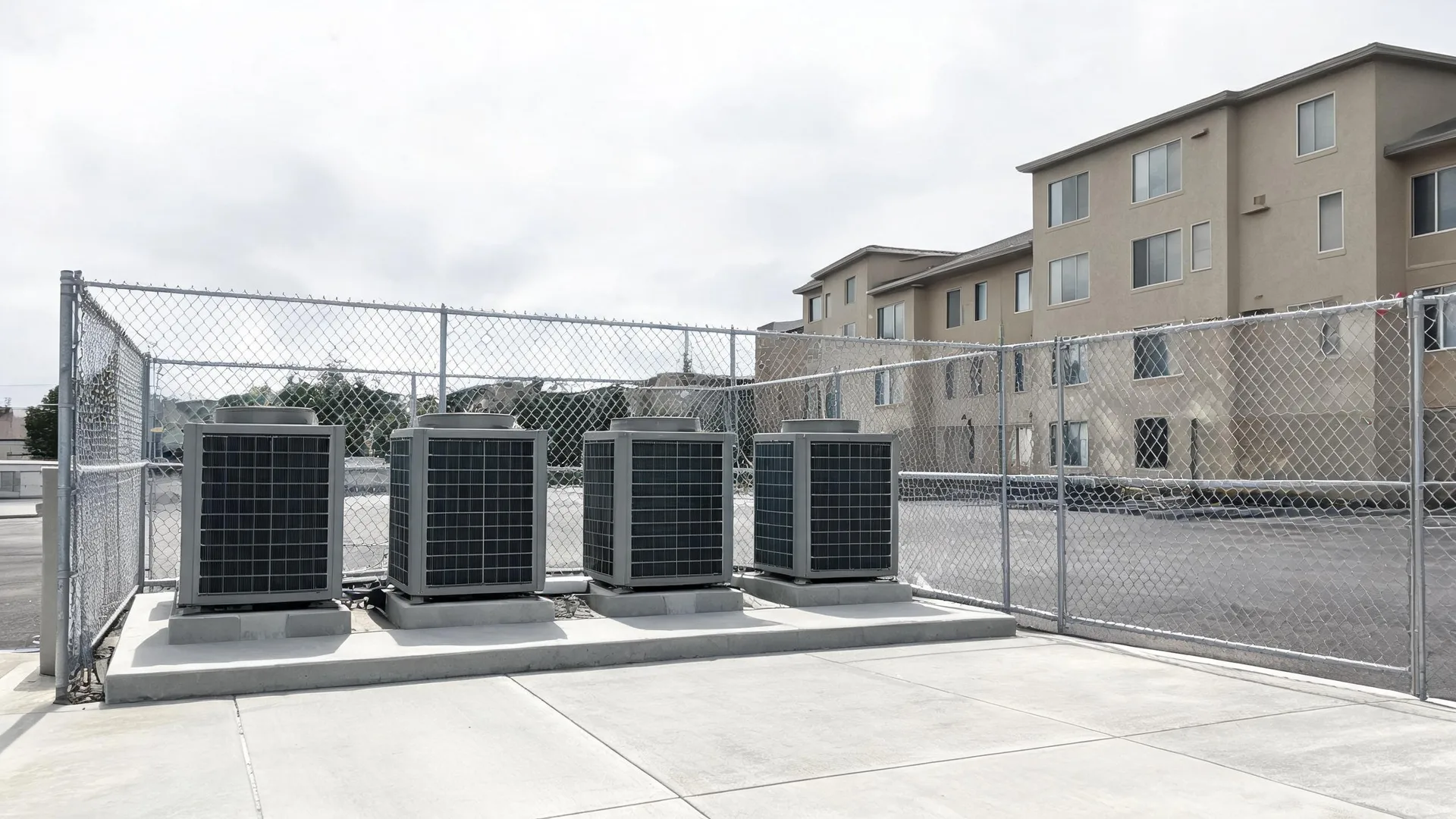
The thermostat and power connections get sorted too

A heat pump often needs a different thermostat than a straight furnace or AC setup, since it has to manage backup heat and defrost cycles the old system never did. The electrical circuit gets checked as well. Heat pumps and their backup heat strips draw power differently than a gas furnace did, so the breaker and wiring have to match what the new unit actually needs, not just what was there before.

Ask every contractor for the load calculation itself, not just a final number. A contractor who measured the windows, the insulation, the ceiling height lands on a size that fits the house. One who just matched the old unit is guessing, even if the number looks reasonable. Ask what temperature triggers the backup heat and how the system handles the coldest nights. Ask about the sound rating on the outdoor unit too, since it runs far more of the year than a plain AC compressor did, and that matters if it sits near a bedroom window. Ask whether the quote covers sealing the ductwork or adding a return if the system needs it, or whether that gets added later as an extra cost. A quote that spells out these answers was worked out. One that skips them was guessed at.

Installation day starts with the old system coming out, so expect some hours without heat or cooling while that happens. The crew will recover the refrigerant from the old unit if it's a heat pump, set the new outdoor unit on its pad, and run new line sets if the old ones don't match what the new system needs. Inside, the air handler or furnace gets swapped and the new thermostat goes in, which takes some setup since it has to control backup heat and defrost cycles. Before anyone leaves, the system gets charged with refrigerant, the airflow gets checked against what the unit is rated for, and someone walks the thermostat settings with you so you know how it behaves differently from what you had. A straightforward swap can wrap up in a day. Anything involving duct changes, a return added, or electrical work to support the new unit runs longer, and a contractor should tell you that upfront rather than after they've started.