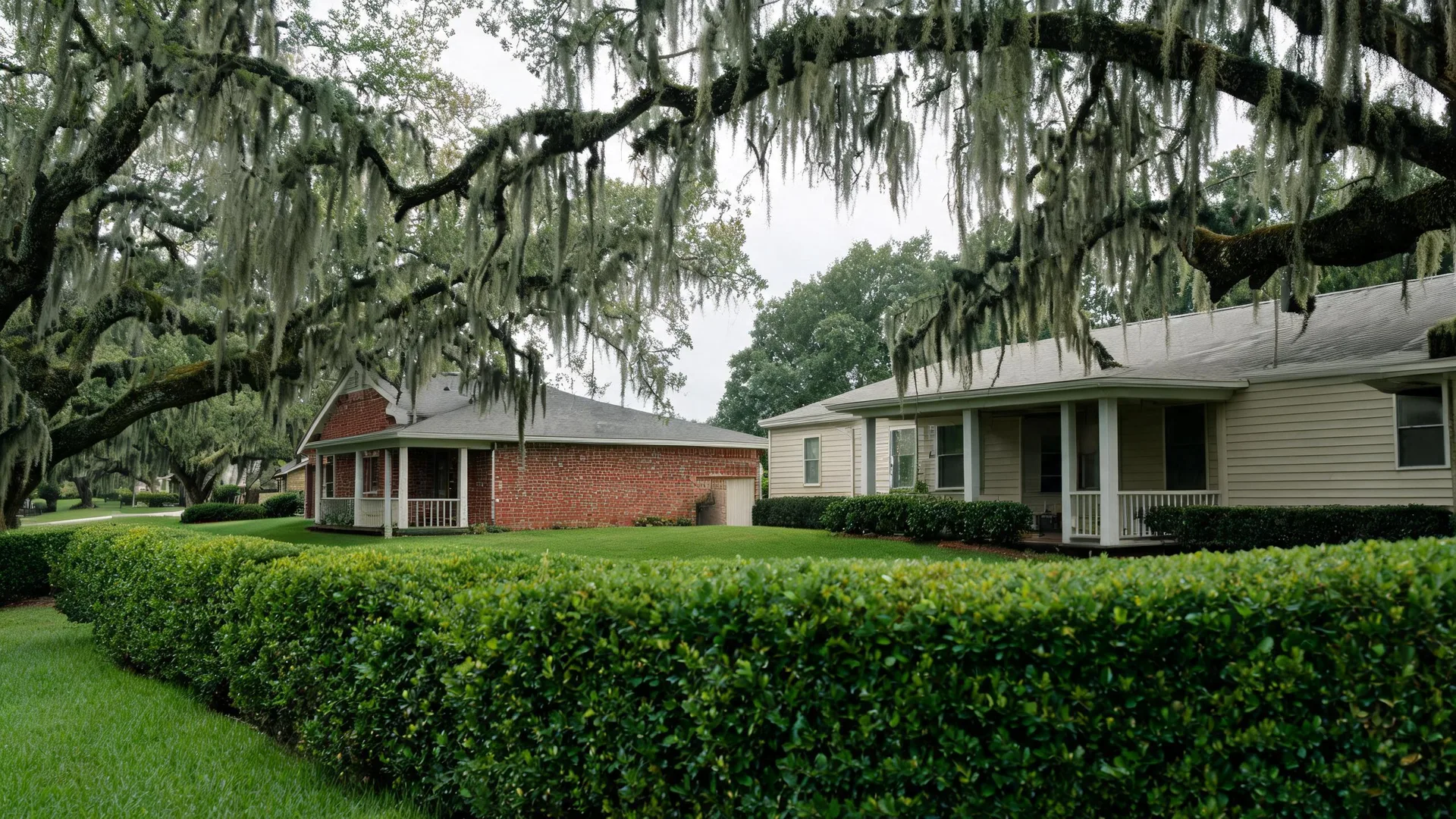






Two single-story houses, one brick with a covered porch and one with pale siding, seen across a mown lawn and a trimmed hedge, beneath large oak branches draped with Spanish moss.

Heat Pump Installation in Paragould, AR

Tell us about the job

Takes about a minute. No obligation.

New system or replacementHeat PumpGreene County, AR
Step 1 of 2

What ZIP code is the job in?

Electricity heats 74.7% of homes in Greene County, more than any other fuel. Gas, whether piped or delivered in a tank, covers a much smaller share of homes here. That matters for a heat pump, since it runs on electricity and usually replaces an electric furnace or electric baseboard heat without any new fuel line to run. It also takes over the job of the window units or central AC already cooling the house, so one system handles both jobs instead of two.

7 months
October through April, your system heats
5 months
May through September, it cools
31°F
the average winter night it heats against
89°F
the average summer afternoon it cools against
Isometric grayscale illustration of a cutaway house showing interior rooms, ductwork and an indoor air handler connected by lines to an outdoor condenser unit on the ground outside.
Your system heats October through April and cools May through September.

NOAA nClimDiv, 1991–2020 normals

A heat pump in Greene County works nearly year round, covering heat from October through April and cooling from May through September.

September is the month to get one installed, before the heat switches on for the winter.

Cheap power here means the payback is slower on the priciest model

Power costs 12.32 cents a kWh statewide
35 hail events from 2015 to 2024
Climate zone 3A
Built for weather, not for showGreene County saw 99 severe weather events between 2015 and 2024.

At 12.32 cents a kilowatt-hour, Arkansas power costs less than most of the country pays. That changes what's worth spending on. A top-tier heat pump with the highest efficiency rating costs more up front, and the electricity it saves you each month is worth less here than it would be somewhere with a higher rate. So the extra you'd pay for the top of the line model takes longer to earn back. Put that money toward the sizing and installation instead. A unit matched to the house, installed so the refrigerant charge and airflow are right, will keep you comfortable and hold up longer than a few extra efficiency points you're slow to recover.

A standard heat pump, sized right, is all this county asks for

A standard size and efficiency rating holds up fine here. Greene County recorded 35 hail events between 2015 and 2024, which is a case for solid installation, not for oversizing or paying up for the top-tier model. Get the unit matched to the house and move on.

Find a contractor
A gray heat pump outdoor unit mounted on a concrete pad next to a residential house with lap siding and stone accents.

This one doesn't get a season off

A furnace sits idle all summer. A central AC sits idle all winter. A heat pump doesn't get that rest, because it's doing both jobs on the same compressor and the same outdoor coil. More hours worked means more cycles on the parts that wear, the reversing valve, the outdoor fan motor, the contactor. None of that is a reason to worry about one sized and installed correctly. It's a reason to ask how the installer plans to size it for the house, not just go by square footage, since a unit that's oversized short cycles and one that's undersized runs flat out trying to keep up. Both wear faster than a unit matched right. Ask too what maintenance the manufacturer wants done and how often. A system working this many months a year falls behind quicker when a filter or coil gets ignored than one that gets a season off.

The old furnace or AC comes out

Whatever heated or cooled the house before gets disconnected and hauled off. If it was a central air system sharing ductwork, that ductwork usually stays and gets reused. An electric furnace or baseboard heat comes out entirely since the heat pump takes over that job on its own.
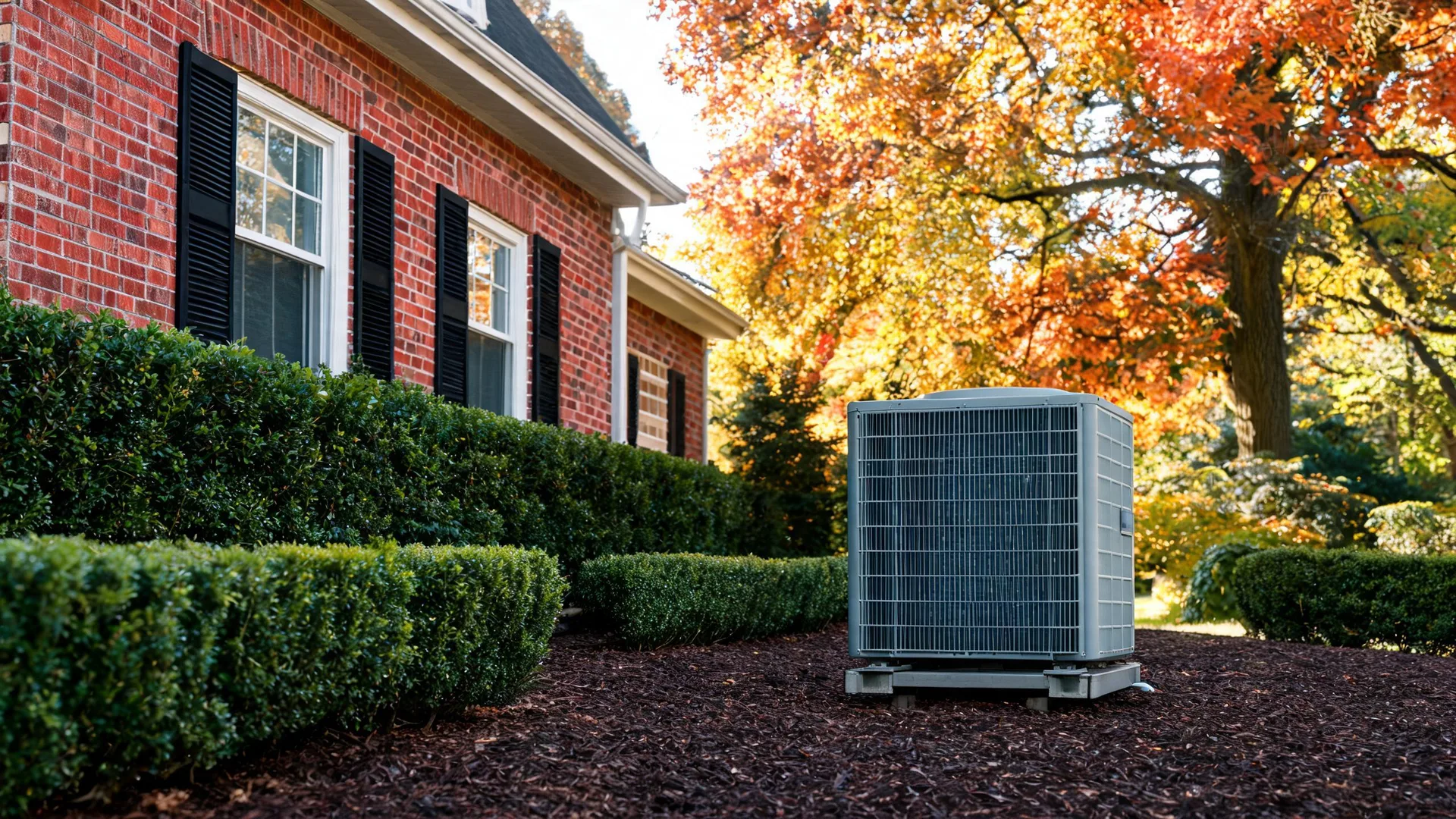
The electrical work tells you what's left to do

A heat pump needs its own circuit and disconnect sized for the new unit. If the old system already ran on electric heat, the panel capacity is probably already there. If it's replacing a gas furnace paired with a window AC, expect more electrical work to get the circuit right before the new unit goes in.

Sizing a heat pump comes down to a load calculation, not a tape measure around the house. A contractor works through the walls, the windows, the insulation, the ceiling height, even which way the house faces, because all of that changes how much heat moves in or out on a given day. Square footage alone skips most of that, which is why houses that look alike from the outside can need different sized units. Too big and the heat pump satisfies the thermostat fast, shuts off, and starts again a few minutes later. Short cycles like that don't run long enough to pull moisture out of the air, so the house ends up cold and clammy. Too small and it runs flat out on the coldest and hottest days without ever catching up. The right size runs long, steady cycles that hold the temperature and dry the air properly, and it's worth asking the installer to walk you through how they got their number.

Installation usually runs one day for a straightforward swap, longer if ductwork needs rework or the electrical panel needs attention. The crew sets the outdoor unit on a pad or mounting brackets, levels it, and runs the refrigerant lines and electrical whip to it. Inside, the air handler or coil goes in, gets tied into the ductwork, and the condensate drain gets run and tested. Once everything's connected, the lines get pressure tested for leaks, then pulled into a vacuum to clear out air and moisture before refrigerant goes in. The installer weighs in the exact charge the system calls for, checks airflow at the vents, and sets the thermostat. Before they leave, they should walk you through what temperature it's blowing at the vents and how to work the thermostat, since a heat pump's settings work differently than what you're used to.