
Heat pump vs furnace in Greene County, Arkansas

Get a Local Quote

Pros who install both

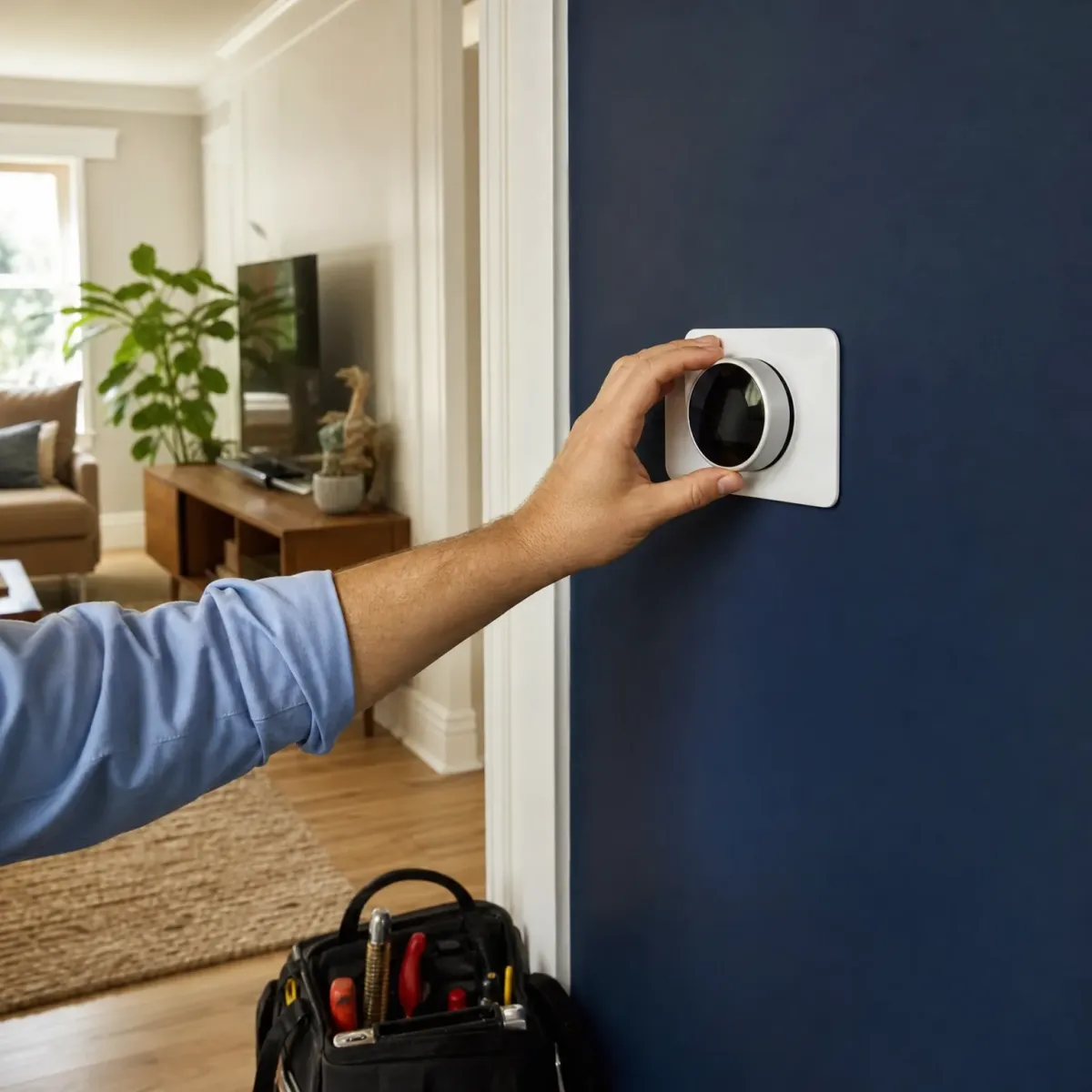
A person's arm in a light blue shirt reaches to adjust a round white and black thermostat mounted on a dark blue wall, with a living room containing a houseplant, television and wooden console visible through a doorway and a tool bag with screwdrivers on the floor below.

Tell us about the job

Takes about a minute. No obligation.

New system or replacementGreene County, AR
Step 1 of 3

What kind of equipment?

Which costs less to run in Greene County?

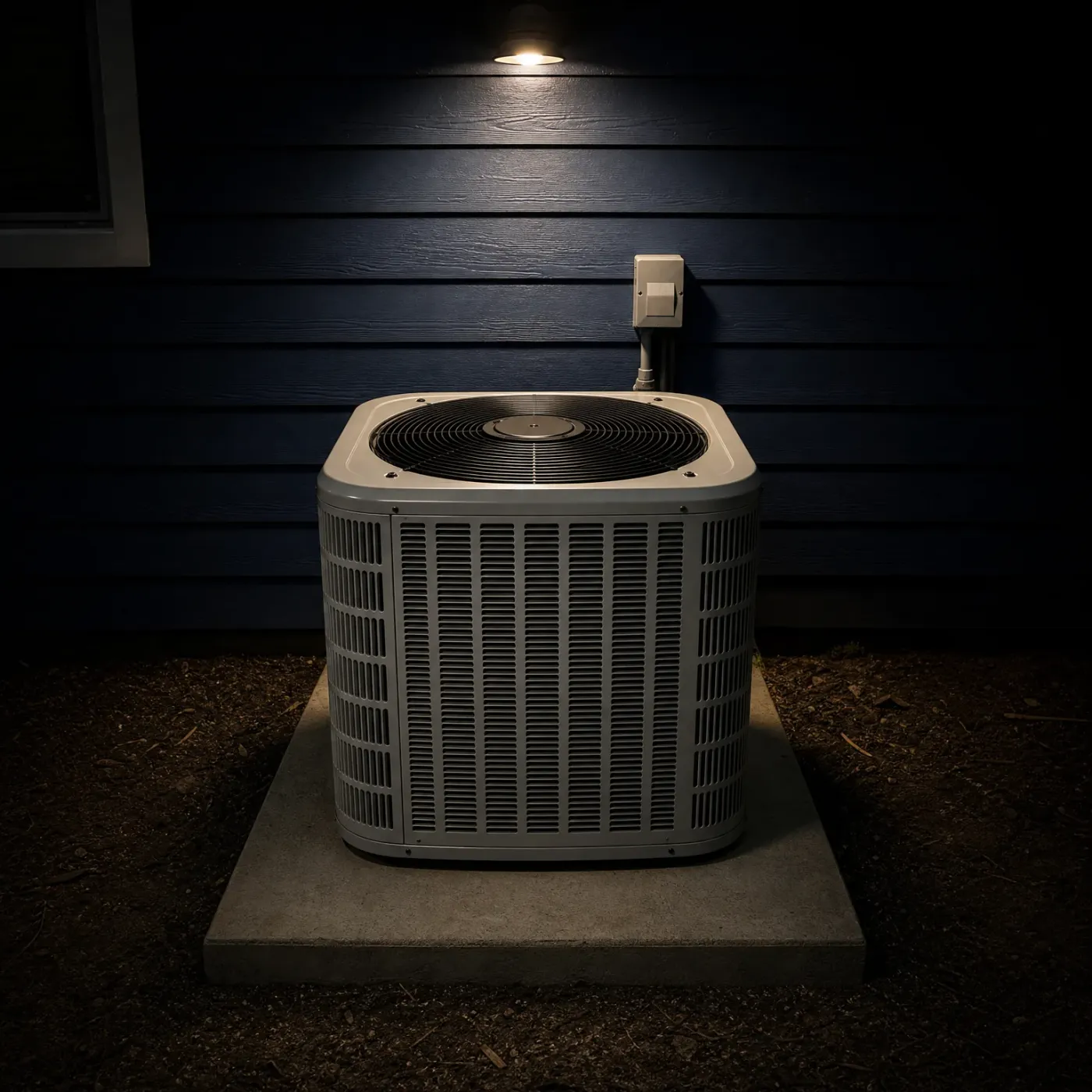
A gray outdoor condenser unit on a concrete pad beside a dark blue horizontal-lap sided wall at night, lit by a wall-mounted light above, with an electrical disconnect box on the wall behind it.

Heat pump

To heat your home here$1.64per 100,000 Btu

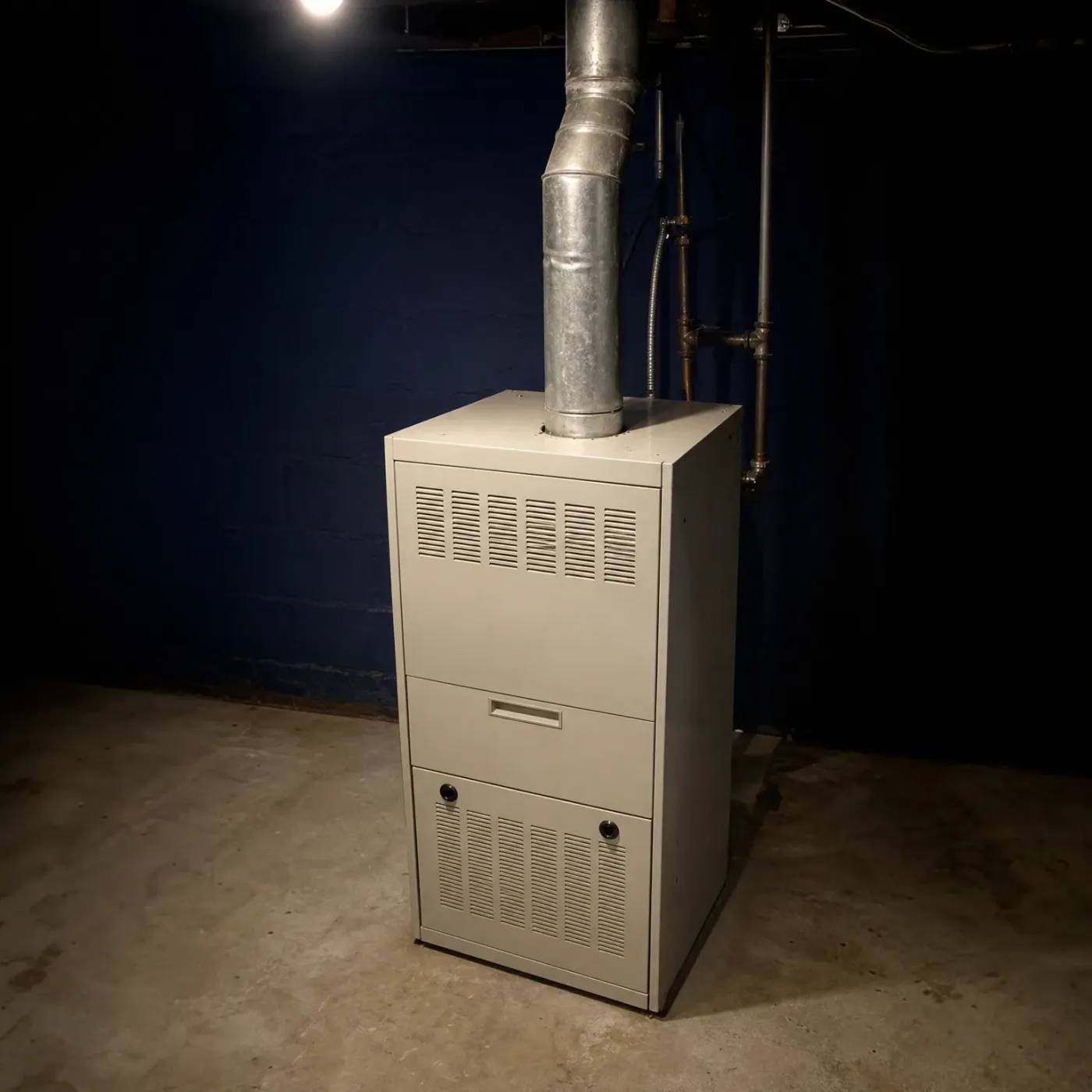
A beige residential furnace with louvered panels stands on a concrete basement floor against a dark blue painted block wall, with a galvanized metal flue pipe rising from its top and copper and steel pipes along the wall.

Furnace

To heat your home here$1.97per 100,000 Btu

At Arkansas's gas and electricity prices, a heat pump makes the same heat as a gas furnace for about 17% less.

Btu stands for British thermal unit, the standard measure of heat energy.

Where does a heat pump shine?

  • Heats and cools in one system

    One machine handles the heat in winter and the cooling in summer. There's no second system to buy or keep up.

    Living room with a white-framed sash window overlooking a green garden, a potted plant and books on a wooden bench below, a navy built-in bookcase at left, and a pale sofa with a navy knit throw and blue table lamp at right.
  • Steady, even comfort

    It eases up and down with the weather. There are fewer swings between too warm and too cool.

    A golden retriever sleeps on a woven rug in a living room with a navy plaid armchair holding an open book and a gray fringed throw, beside a dark fireplace, potted plants, a lit table lamp and mug, and a frosted window at night.
  • No gas line, nothing burning in the house

    A heat pump runs on electricity alone. Nothing burns inside the house.

    A kitchen with a navy blue island topped by a white stone counter holding a black induction cooktop, a white kettle, green apples on a wooden tray and a blue striped towel, with pale grey cabinets, a window, a potted plant and a wooden stool nearby.

Where does a furnace shine?

  • Pairs with any central AC

    Most central air systems are built around a furnace. The two share the blower, the ducts and the thermostat.

    A metal floor vent set into a hardwood floor beside sheer white curtains billowing near a sunlit window.
  • Proven, simple, easy to get serviced

    The design is simple and well understood. That keeps service calls short.

    A gloved hand holds a white pleated air filter in front of a furnace and ductwork, with wooden shelving holding storage bins and a potted plant in the background.
  • Fast, strong heat on demand

    A furnace pushes out hot air within minutes of switching on. A cold house warms up fast.

    A mudroom with coats hung on hooks, a wooden bench with a mug and blanket, a floor vent, snow-dusted boots on stone tile, a jute rug, and a dark glass-paned door showing a snowy yard.

What the cold here actually asks of a heat pump

Your heat runs seven months a year here, October through April, and the overnight low across December, January and February averages 31°F. That's the number that decides this, more than any other. A standard heat pump starts losing ground below 40°F and often leans on backup heat below about 35°F. Your average winter night sits below both marks already.

That doesn't mean the heat pump struggles all winter. About 65 nights a year here fall to freezing or below, under a third of the nights the heat even runs. The rest of the season sits above that 35°F line, right where a heat pump works the way it's rated to. The cold snaps are real but they are not most of the winter.

And the deep cold that would really lean on backup heat almost never shows up. Fewer than one night a year here reaches 0°F. Field tests of cold-climate heat pumps in occupied homes found backup heat carried only a small share of the load between 0°F and 35°F, and running on backup alone was rare even at 0°F. Greene County's coldest nights don't get there.

If you want a heat pump that's built for this, look for the ENERGY STAR Cold Climate label. To earn it, a heat pump has to keep at least 70 percent of its 47°F heating capacity at 5°F and still make more heat than the electricity it uses. That's the version that takes the edge off a 31°F average low instead of handing the work to backup heat all winter.
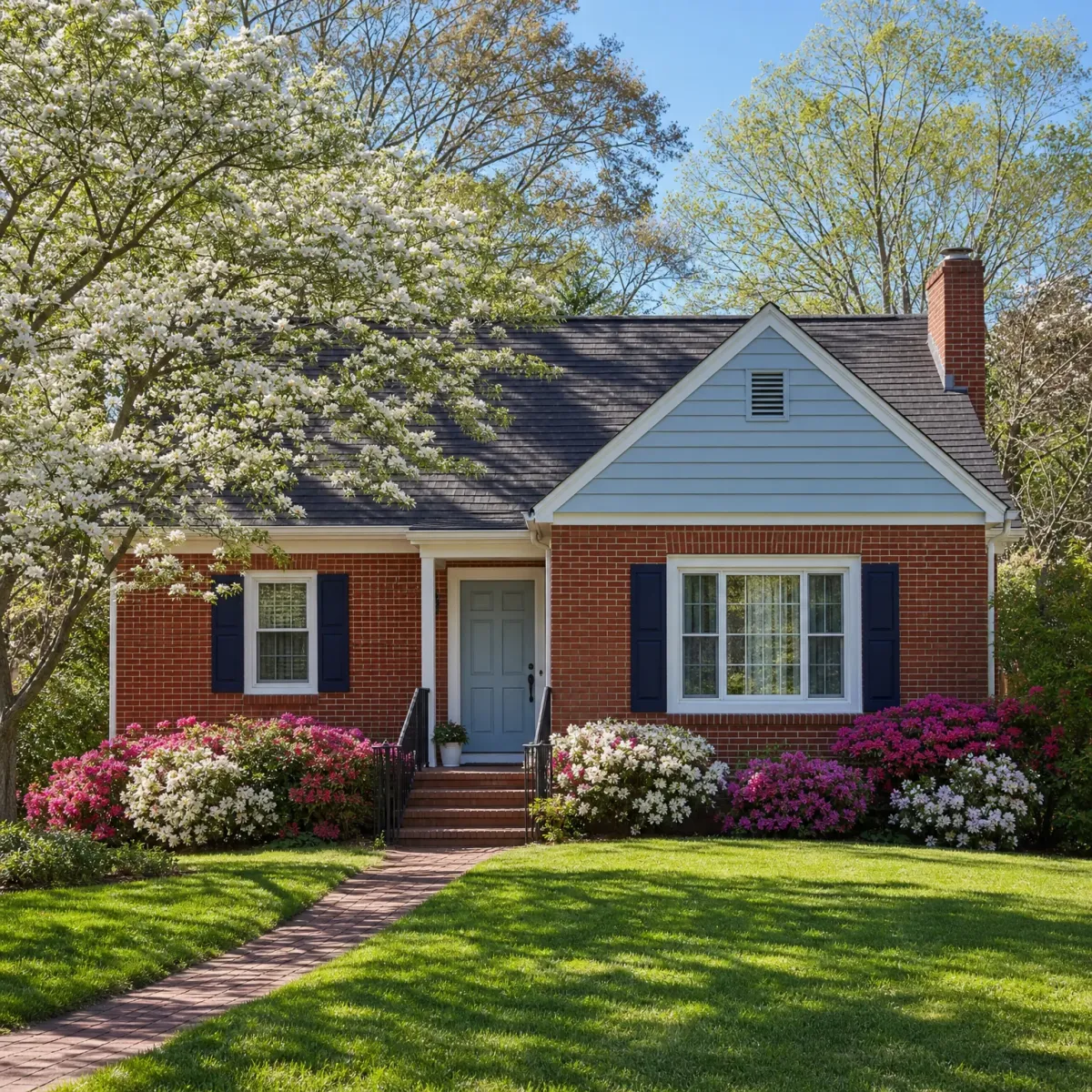
A single-story red brick house with dark shutters, a light blue front door, and a gray gabled dormer, fronted by flowering pink and white shrubs, a brick walkway, a mown lawn, and a blossoming white tree.

What it costs to run, and what it means for summer

At Arkansas's prices, the heat pump is cheaper to run: $1.64 against $1.97 per 100,000 Btu, about 17 percent less for the same heat. That gap holds even before counting what a furnace can't do. A furnace only heats. For the five months a year you're running AC instead, May through September, it sits idle while the heat pump keeps working as your air conditioner.

That matters more here than in a mild climate, because cooling season is real: the afternoon high hits 90°F or higher about 55 days a year. A furnace means a separate AC system to buy, maintain and eventually replace. A heat pump is both machines in one.

Three out of four homes in Greene County already heat with electricity, against about one in ten on gas. That's not proof either system is right for your house, but it means a heat pump fits the pattern of what's already here, and parts, service and electricians familiar with them are not a rare find.

Where a furnace still earns its keep is simplicity and raw output. It burns gas and makes heat on demand, no outdoor coil, no defrost cycle, nothing to manage below 35°F because there's nothing to switch over from. If your house already has a gas line and a working AC system, pairing a new furnace with it is a straightforward path. If you're choosing both systems at once, the cost numbers and the five idle months point toward the heat pump.

Sources: NOAA nClimDiv · NOAA 1991–2020 seasonal normals · PNNL Building America guide · PNNL-37127 field study · ENERGY STAR product criteria · EIA SEDS 2024 · 10 CFR 430.32 · Census ACS 2020–2024

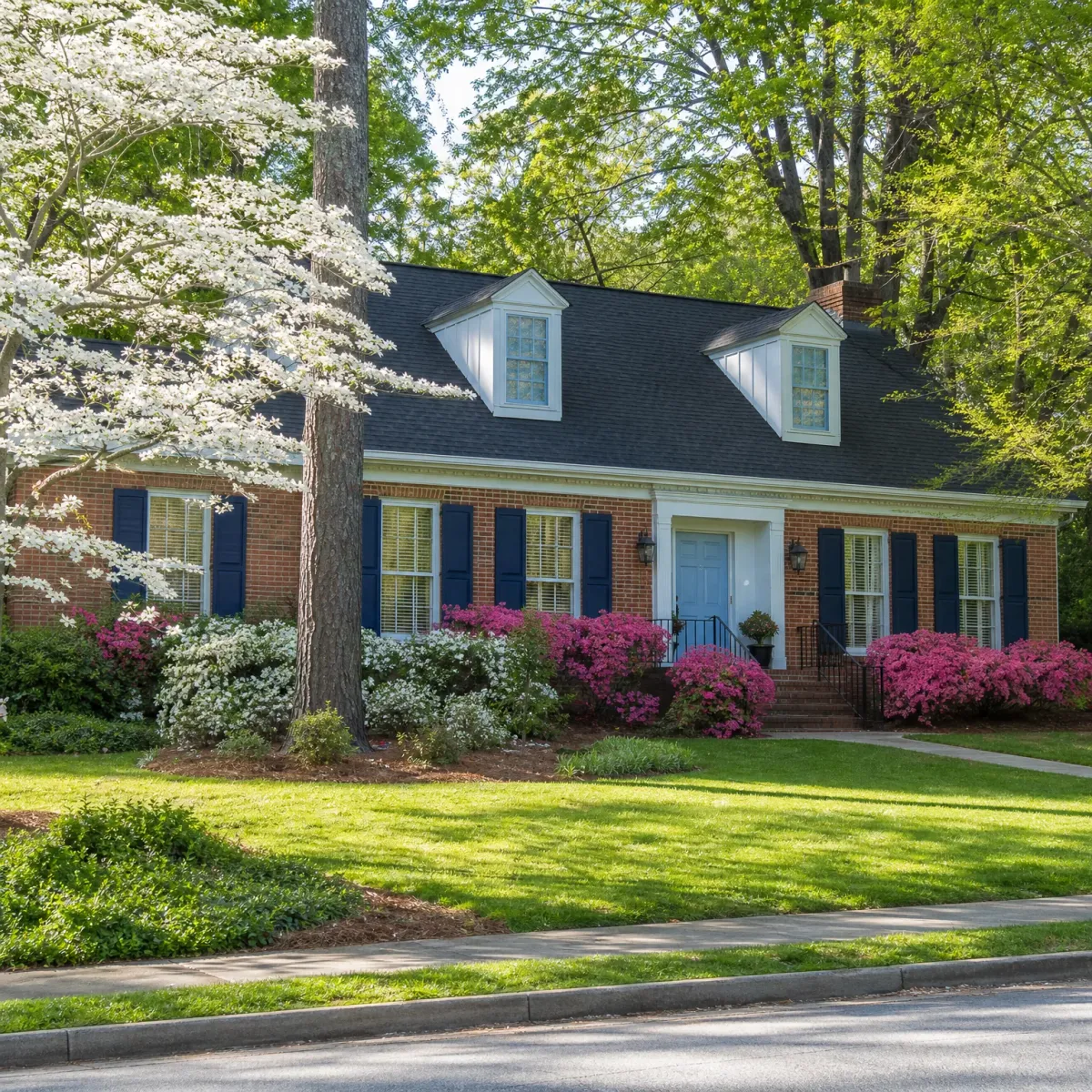
A single-story brick house with dark shingled roof, two dormer windows, navy shutters and a light blue front door, fronted by flowering pink and white azaleas, a blooming white dogwood, a large pine trunk, and a mown lawn beside a street.

Common questions about heat pumps and furnaces

  • Can a heat pump heat a house through an Arkansas winter?

    It can, but it needs help on the coldest nights. A standard heat pump's output drops once it's below 40°F outside and often needs backup heat below about 35°F, and the average overnight low here in December, January and February is 31°F. That's below both marks, and it happens on about 65 nights a year, under a third of the nights in the heating season. The other two-thirds of winter nights stay above freezing, where a heat pump heats on its own without leaning on backup.

  • Will a heat pump keep my house cool enough here?

    Yes. A heat pump is a central air conditioner in the summer, running on the same equipment that heats your house in winter. Greene County sees about 55 days a year at 90°F or hotter, and a heat pump is built to handle that the same way any central AC would. There's nothing about the heat pump side of the system that makes it weaker at cooling than a standalone AC unit.

  • What if my house doesn't have a gas line?

    You're not stuck burning anything. Only about 12% of homes here heat with utility gas, so most houses in Greene County already run without a gas line, mainly on electricity. A heat pump is the cheaper electric option: it moves heat instead of making it, so it isn't competing against electric resistance heat on the power bill. A furnace without a gas line means propane or oil delivered to a tank, which is a different setup and a different cost than the gas price quoted above.

  • Is a heat pump cheaper to run than a furnace in Greene County?

    Yes. A heat pump here runs about $1.64 per 100,000 Btu of heat against $1.97 for a gas furnace, so it costs less to make the same heat. That gap holds across the roughly seven months a year heat runs in Greene County. The furnace figure also only covers the winter; the heat pump keeps working as your air conditioner the other five months, with nothing extra to install.