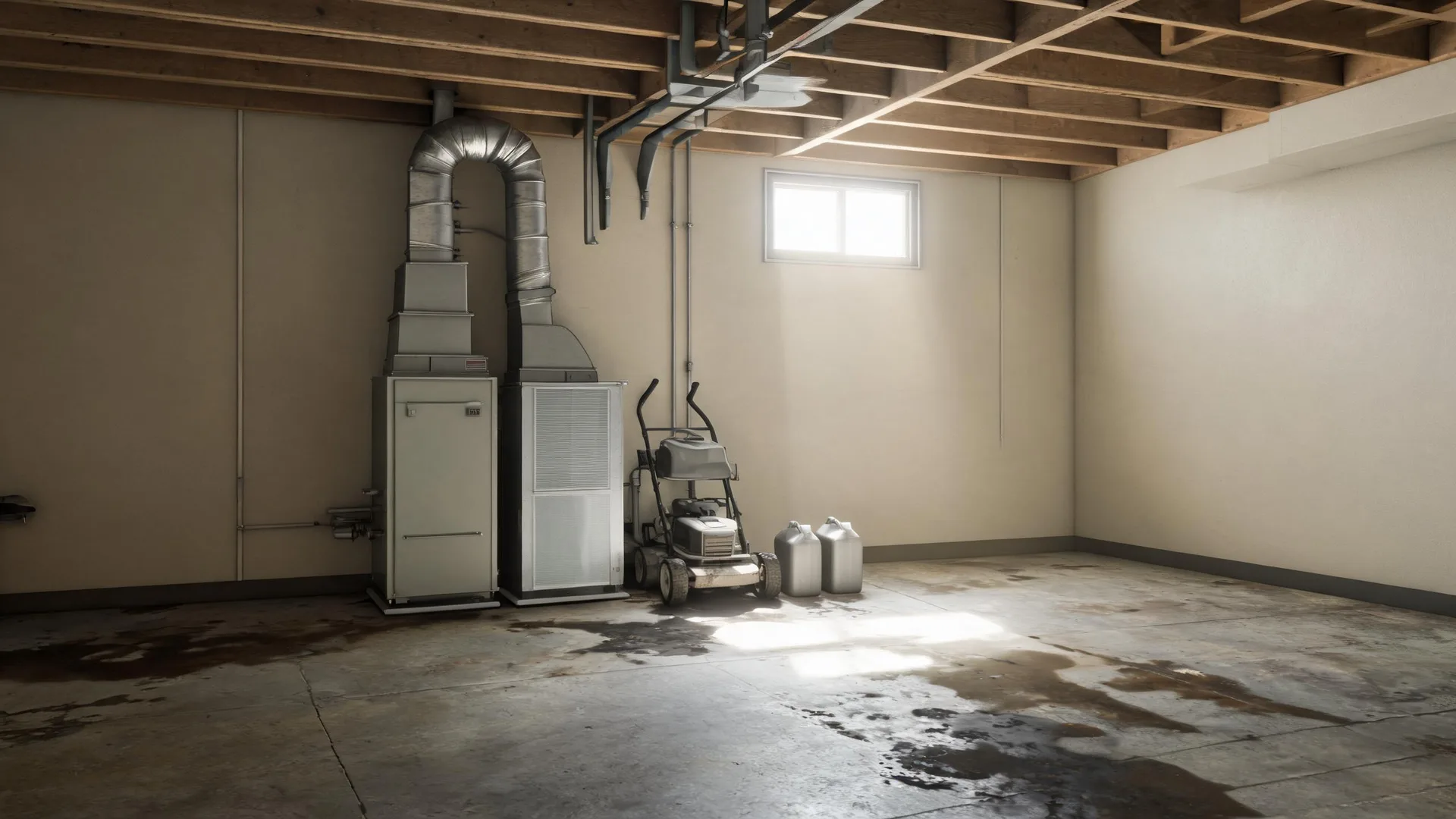
September is the month to catch it
Furnaces here sit unused since spring. September, before the heat starts running in October, is when a weak igniter or a bad flame sensor shows up on a test rather than on the first cold night.
Takes about a minute. No obligation.
Furnaces here sit unused since spring. September, before the heat starts running in October, is when a weak igniter or a bad flame sensor shows up on a test rather than on the first cold night.
Once furnaces here start running in October, they stay on through April. A part that was already marginal tends to fail in those first weeks, when the system is finally working hard after months off.
NOAA nClimDiv, 1991–2020 normals
The igniter is the part most likely to fail first, since it heats up and cools down every single cycle.
A furnace that won't fire at all usually comes down to that igniter or the flame sensor next to it.



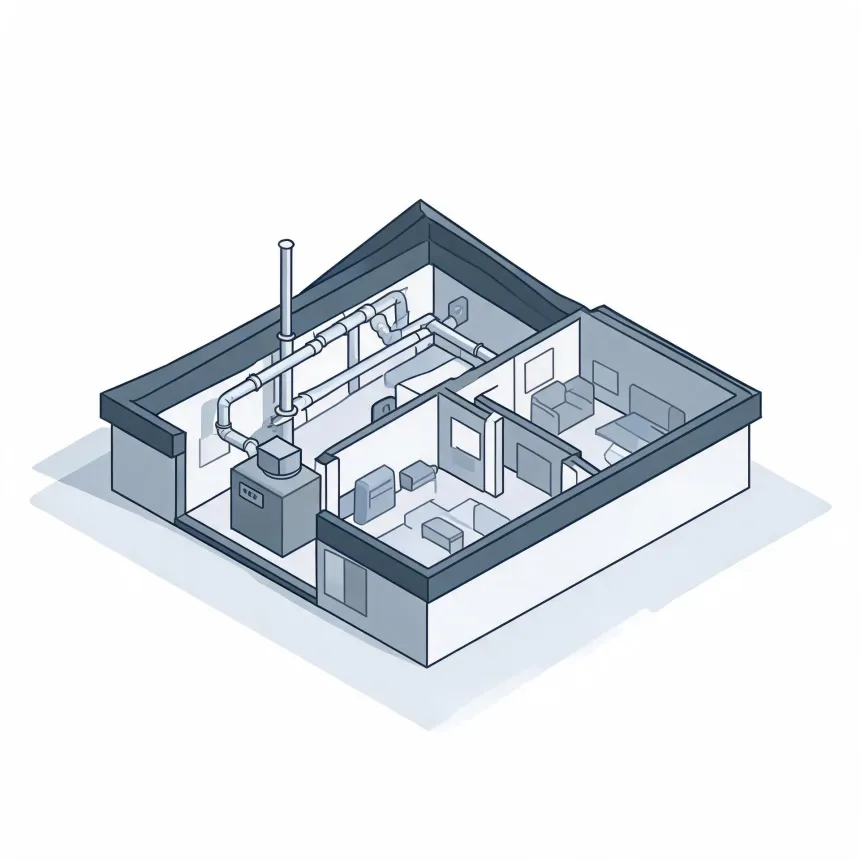
Half the houses in Greene County were built in 1991 or later. If yours is one of them, the furnace inside it hasn't necessarily been run into the ground. A furnace that's a few years old, or even a decade or two old, usually just needs the broken part replaced. An igniter or flame sensor failing doesn't mean the unit is done, it means that one part is done. Worth knowing before anyone tells you the whole system needs to go.
Nothing about Paragould puts extra strain on a furnace. What's going on in yours is most likely a worn igniter or flame sensor, the kind of thing a contractor sees all the time and fixes without replacing the whole unit. Electricity runs $36.10 per million Btu in Arkansas, so it's worth having it fixed instead of run on backup heat while you wait.
Find a contractorA furnace that's misfiring doesn't fail quietly. Keep running it past the point where it's short cycling or tripping a safety switch, and the parts doing the extra work are the ones already struggling, the igniter, the flame sensor, the blower motor. A limit switch that keeps tripping because of a dirty filter will keep tripping, and every cycle where the furnace fires, stops, and tries again puts a small amount of wear on the heat exchanger it wasn't designed for. A cracked heat exchanger is a different repair than a bad igniter, and a more serious one. The fix early on is usually a single part. Left running rough for weeks, the same problem can take other parts down with it.
A furnace that's starting to fail doesn't usually just quit outright. It makes noise first, a rattle at startup, a screech from the blower, a bang in the ductwork as it fires. Or it smells different. A burning dust smell the first time it runs after sitting all summer is normal, but a smell that lingers or turns sharp is not. Pay attention to what changes, not just whether the furnace runs.
If the furnace fires, runs briefly, shuts off, then starts again a little while later, it's tripping a safety switch. That's usually a flame sensor reading the fire wrong, a clogged filter choking airflow, or a limit switch sensing the furnace running hotter than it should. It isn't something to wait out. Running it that way puts more wear on the parts that are already struggling.
Before anyone comes out, there are a few things worth checking yourself. Make sure the thermostat is set to heat and set a few degrees above room temperature, and check the batteries if it uses them. Go to the breaker panel and look for anything tripped, since a furnace is usually on its own breaker. Check the filter. A filter packed with dust chokes airflow and can cause the exact short cycling that looks like a bigger problem. If the furnace has a standing pilot, see if it's lit. If it uses an igniter instead, you won't be able to relight anything yourself, but it's worth knowing which kind you have before anyone shows up. None of this fixes a bad igniter or a failed flame sensor, but it rules out the simple stuff first.
A diagnostic visit starts with the thermostat, not the furnace itself. The contractor checks that the call for heat is actually reaching the unit before opening anything up. From there it's a look at the igniter or pilot assembly and the flame sensor next to it, since those explain most no-heat calls on their own. A multimeter tells the story on the igniter, whether it's heating properly or not getting power at all. The flame sensor often just needs to be pulled and wiped clean, since a film of oxidation on it can make a working sensor act like a failed one. If the furnace is short cycling, the filter and the blower get checked too, because restricted airflow can trip a limit switch that has nothing wrong with it on its own. Most of this gets sorted without ever opening the blower compartment or touching the heat exchanger.