






Furnace pilot light won't stay lit in Fayetteville, AR

Send the request today and let a furnace pro reach out to you.

Send my request

Why won't my furnace's pilot light stay lit?

You keep relighting the pilot and it goes out again within a few minutes, maybe faster when a draft comes through. It's frustrating when it happens on a cold night and you just want the furnace to hold the flame and run. Most of the time the fix doesn't need a new furnace, just a part that wears out and needs replacing.

Usually it's a worn thermocouple

The thermocouple sits right in the pilot flame and its job is to tell the gas valve the flame is lit. Once it wears out or sits slightly out of position, it stops sensing the flame correctly and the valve shuts the gas off, even though the pilot was burning fine seconds earlier. A dirty pilot orifice or a draft in the vent pipe can cause the same thing, but a bad thermocouple is the most common reason. Replacing it is a simple repair, not a sign the furnace is failing. With winters here getting cold, a furnace that won't hold its pilot is worth fixing quickly rather than relighting it night after night.

  1. Gas flows to the pilot and you hold the igniter button down.

  2. The flame heats a thermocouple rod sitting in it.

  3. The thermocouple sends a tiny signal telling the gas valve it's safe.

  4. Releasing the button too soon cuts that signal and the valve shuts.

A gray gas furnace stands on a concrete basement floor, connected to sheet-metal ductwork, white PVC vent pipes, and a yellow gas line, with plastic sheeting covering the walls.
A clean pilot assembly with a strong, steady flame keeps the thermocouple heated and the gas valve open through the coldest night.
A metal furnace with louvered panels stands against a concrete basement wall, connected to sheet-metal ductwork and a round flue pipe, with wooden framing posts and a pipe nearby.
Years of dust on the burner and a scorched thermocouple make the flame weak, so it drifts out as soon as you let go of the button.

A furnace that won't hold its pilot is a furnace that isn't heating your house, and on a night when the temperature drops hard, that shows up fast. The thermostat keeps calling for heat the system can't deliver. Rooms farthest from the furnace cool first, so you'll notice it in the bedrooms before the living room. If you've been relighting it two or three times a night, you're also burning extra gas each time you purge the line and get the pilot going again. Left alone, a weak flame and a fouled thermocouple don't fix themselves. Some nights the pilot might catch and hold for an hour before it dies, and you'll think it's solved, then it happens again. If this furnace came with the house and you don't know its age, a pilot that's gotten harder to keep lit over a few weeks is usually the part wearing out, not a one-time fluke. Left long enough, a weak signal from the thermocouple can also mean the valve stops opening at all, and then you have no heat until it's looked at.

A smiling man in a navy long-sleeve shirt sits at a wooden table in a kitchen and dining area, with a ceramic mug, a potted plant, and a sliding glass door behind him.
A smiling bearded man in a green henley shirt stands at a kitchen island with a gray mug, looking off to the side, with a dining area and shelves blurred behind him.
A smiling bearded man in a navy sweater sits at a white kitchen island with a ceramic mug, with open shelves, potted plants and a range hood behind him.
A smiling man in a dark olive long-sleeve shirt sits in a kitchen beside a counter with a dark mug, with a dining table, sideboard and hallway visible in the blurred background.

What a thermocouple actually does

A thermocouple is a simple rod made of two different metals joined at the tip. Heat from the pilot flame hits that tip and generates a small electric signal, usually under 30 millivolts. That signal travels to the gas valve and holds it open. No signal, no gas. The part has no moving pieces and nothing to wear out in the usual sense, but the tip does get coated with soot over years of use, and a sooted tip reads the flame as cooler than it is even when the flame itself looks fine.


Why cleaning works before replacing

A thermocouple that reads weak because of soot will often test fine once that soot is off the tip. A contractor can check the millivolt output with a meter and know in a few minutes whether cleaning solved it or the rod itself is failing. Replacing a part that only needed cleaning wastes a trip and a part. The reverse matters too, since a rod that tests weak after cleaning is actually done, and no amount of adjusting the pilot flame around it will make it hold a signal it can no longer produce.

An older metal furnace with PVC and metal pipes stands on a concrete basement floor beside galvanized ductwork, with wooden stairs and a water tank in the background.
Before you get your furnace repair
A gray high-efficiency furnace in a basement with sheet-metal ductwork, white PVC vent pipes, metal plumbing lines, a condensate pump on the floor, and a window showing green trees outside.
After you get your furnace repair

Relight it yourself

You hold the button down longer, maybe clean the pilot opening with a thin wire, and hope the flame holds past tonight. Sometimes it does, for a while.

Let a pro reach out

Have the thermocouple checked

A worn thermocouple gets tested and swapped before the next cold snap, so the pilot stays lit and the furnace keeps running through the night.

Let a pro reach out

Why does a weak pilot matter more on a Washington County winter night?

  • Winter nights average 29°F

    Overnight lows here average 29°F in December, January and February, so a pilot that won't hold leaves the furnace cold exactly when you need it most.

  • Heat runs October through April

    Heat runs here from October through April, about seven months. A pilot that keeps going out is going to keep going out for most of the year.

  • 47.8% of homes heat with electricity

    47.8% of homes in Washington County heat with electricity. If yours runs on gas instead, a failing pilot has no backup system to lean on.

NOAA nClimDiv 1991-2020 · ACS 2020-2024

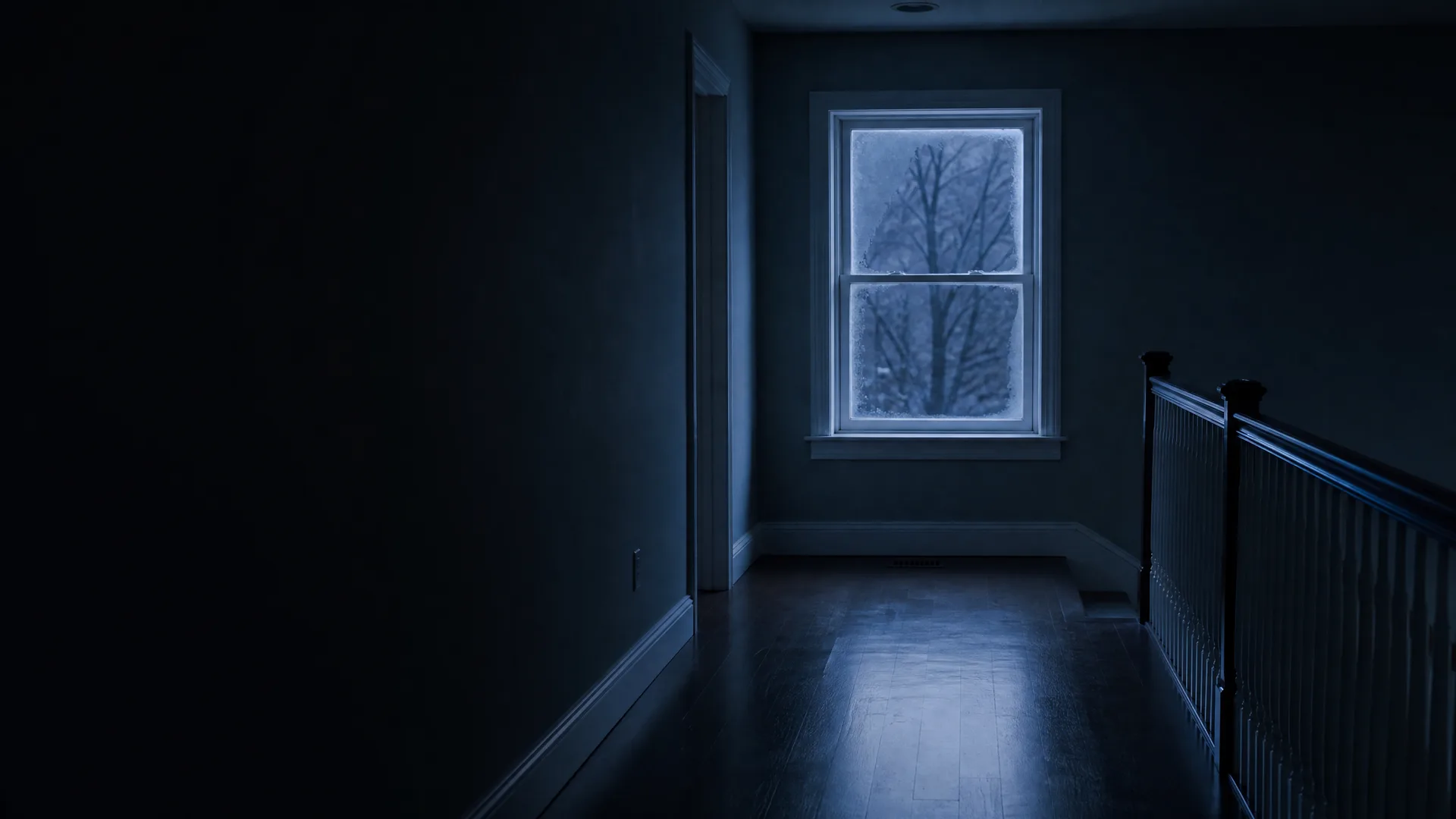
A dark interior hallway with a dark wood floor, a floor vent, a doorway on the left, and a stair railing on the right, lit only by a tall double-hung window showing bare tree branches outside.

The house has been quiet for hours. Upstairs, the hallway floor vents aren't moving any air, and you notice it when you get up at 2 a.m. and the boards are cold under your feet. Outside the window at the end of the hall, frost has crept up from the corners of the glass. The only light is the dim blue of the streetlamp coming through it. You crouch by the floor vent and hold your hand over it anyway, already knowing. Somewhere downstairs the pilot has gone out again, and the thermostat is calling for heat the furnace can't give it. You think about going down to relight it, then think about how long that held last time.

Send one request and you're done looking

A licensed pro who repairs furnaces in Washington County gets your request.

No fee to send it, and nothing to sign.

A basement utility area with a gray furnace, sheet-metal ductwork, pipes, plastic-covered walls, a concrete floor, and a black shelving unit holding storage bins.

Furnace holding steady

This is what a working pilot looks like: the burner lights, the flame stays put behind the access panel, and the furnace runs its cycle without you touching it. The gas line and condensate pipes do their job quietly, and the mechanical room stays just a place you walk past.

A gray metal furnace with louvered vent panels stands on a concrete basement floor beside galvanized ductwork, gas and plastic pipes, and foil-faced insulation along the ceiling and wall.

Furnace losing the flame

An older furnace like this one has had years for dust to build on the burner and the pilot assembly to wear down. Rust on the cabinet tells you the unit has been through a lot of winters, and a pilot that won't hold is often one more sign of a part reaching the end of its run.

A smiling man in a dark blue T-shirt sits on a light gray sofa in a living room with a wooden shelf and window behind him, with a laptop edge visible in the foreground.
A bearded man in a plaid flannel shirt sits indoors looking out a window at snow-covered trees, with a steaming mug on the sill and wooden kitchen shelves behind him.

Waiting it out another night

You could keep relighting the pilot and hope it holds longer each time. Some nights it might catch and run a few hours before going out again. But a thermocouple that's failing doesn't fix itself, and a draft finding its way to the pilot through a cracked seal doesn't stop on its own either. Each night you wait is a night the furnace might quit again at 3 a.m., and Washington County winters don't give you much room for a cold house while you figure out next steps. The relighting itself is free, but it costs you sleep and it costs the house heat it isn't holding onto.

Having a contractor look at it

A local contractor who works on furnaces all winter can tell you in minutes whether the thermocouple is worn, the pilot opening is clogged, or a draft is getting where it shouldn't. They carry the parts this job usually needs, so a weak thermocouple often gets replaced the same visit instead of waiting on an order. You're not explaining the problem to three different companies, just one that already knows what a Washington County furnace runs into this time of year. Once the form is in, finding that contractor stops being something you have to manage. The furnace gets looked at properly, and you stop gambling on whether tonight's relight holds.

Winter nights average 29°F

At 29°F, your furnace is running most of the night to hold the house steady, so a pilot that drifts out doesn't just mean a cold spell. It means hours with no heat at all while everyone sleeps.

NOAA nClimDiv 1991-2020

What a steady pilot means

  • A pilot that won't hold is almost always a thermocouple too weak to keep telling the gas valve it's safe to stay open.
  • Relighting it yourself buys a few hours at best if the rod underneath is worn or coated with soot.
  • A furnace technician tests the thermocouple's signal directly and replaces it when it reads low, instead of guessing from the flame alone.
  • Washington County winters push the furnace hard enough that a pilot problem shows up as a cold house within a single night.
  • The contractor who takes this job works on furnaces like yours all winter and knows which part usually fails first.
  • You're matched with one licensed local contractor, so you deal with a single call back instead of sorting through several.

A pilot that won't hold almost always comes back to the thermocouple. The flame heats it, it sends its small signal, and the gas valve stays open on the strength of that signal. When the rod wears out or gets coated, the signal drops too low and the valve shuts, no matter how long you hold the button down. Relighting it yourself might buy a few hours, sometimes less once a draft catches the flame, but it doesn't fix what's actually failing underneath. A furnace technician can test the thermocouple's output directly and knows right away whether it's reading low, rather than watching the flame and guessing. That's the difference between a furnace that holds through a cold night and one that leaves you relighting it at 2 a.m.

This matters more here because Washington County winters don't ease up. Overnight lows sit around 29°F through December, January and February, and a furnace that can't hold its pilot stays cold for the whole stretch the house needs it most. The contractor matched to this job works on furnaces through that same stretch every winter and has seen which part gives out first on a system like yours. You're sent to one licensed local contractor, not a handful, so the call back you get is the one you're expecting, not three competing for your number. Once that thermocouple is swapped and tested, the pilot holds on its own, through the draft and through the cold, and you stop thinking about it.

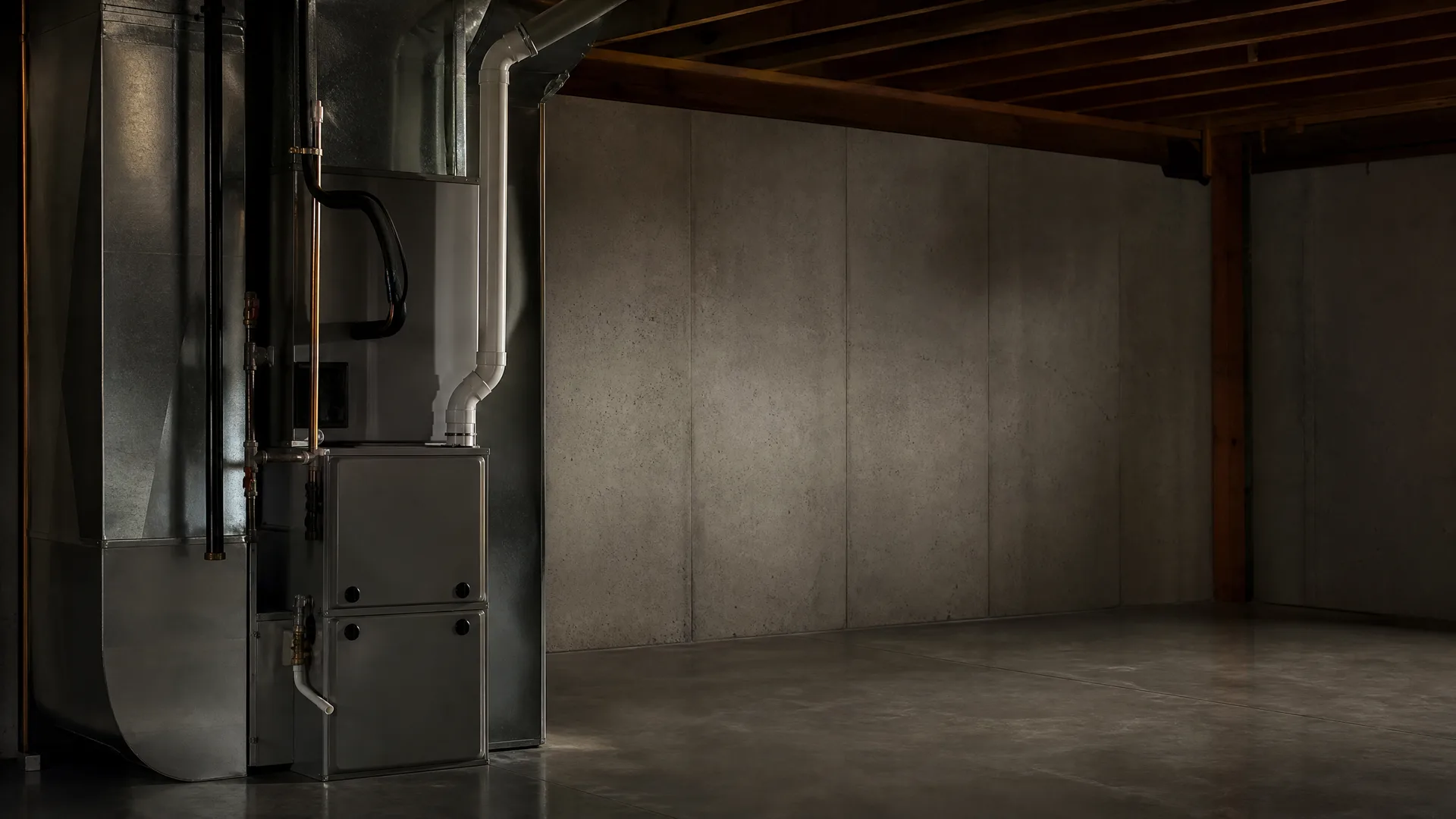
A dimly lit basement with concrete floor and walls, exposed wood joists, and a furnace with sheet-metal ductwork and copper piping on the left side.

Finding a pro stops being your job

Your request goes to one pro, not a list of companies.

RepairFurnace or heatingWashington County, AR
Step 1 of 2

What ZIP code is the job in?