





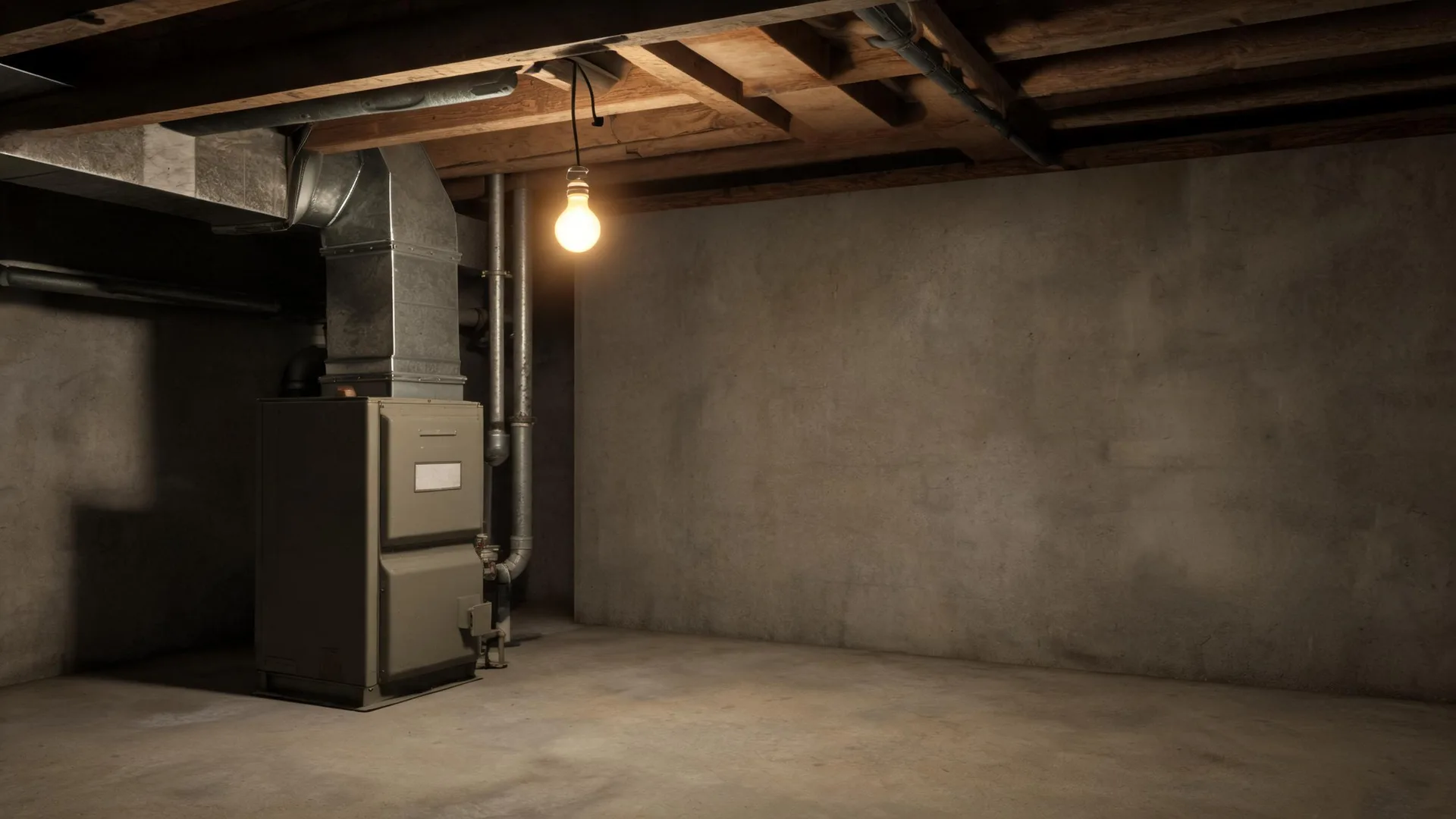
An empty unfinished basement containing a forced-air furnace with overhead ductwork, exposed ceiling joists, and a single hanging light bulb.

Furnace Installation in Paragould, AR

Tell us about the job

Takes about a minute. No obligation.

New system or replacementFurnace or heatingGreene County, AR
Step 1 of 2

What ZIP code is the job in?

Electricity heats 74.7% of occupied homes in Greene County, which makes an electric furnace or heat pump the usual choice here, not the exception. Gas is around for some homes, split between utility gas at 12.1% and bottled or LP gas at 9.9%, but neither comes close to electric's share. If your current system runs on electricity, replacing it with the same fuel type is the straightforward path, since the wiring and setup for it are already in place. Switching fuels for a furnace install is possible, but it means new gas lines or a different electrical setup, and that's a bigger job than most people expect.

7 months
October through April, your furnace is on duty
31°F
the average winter night it heats against
80% AFUE
the federal minimum any new unit must meet
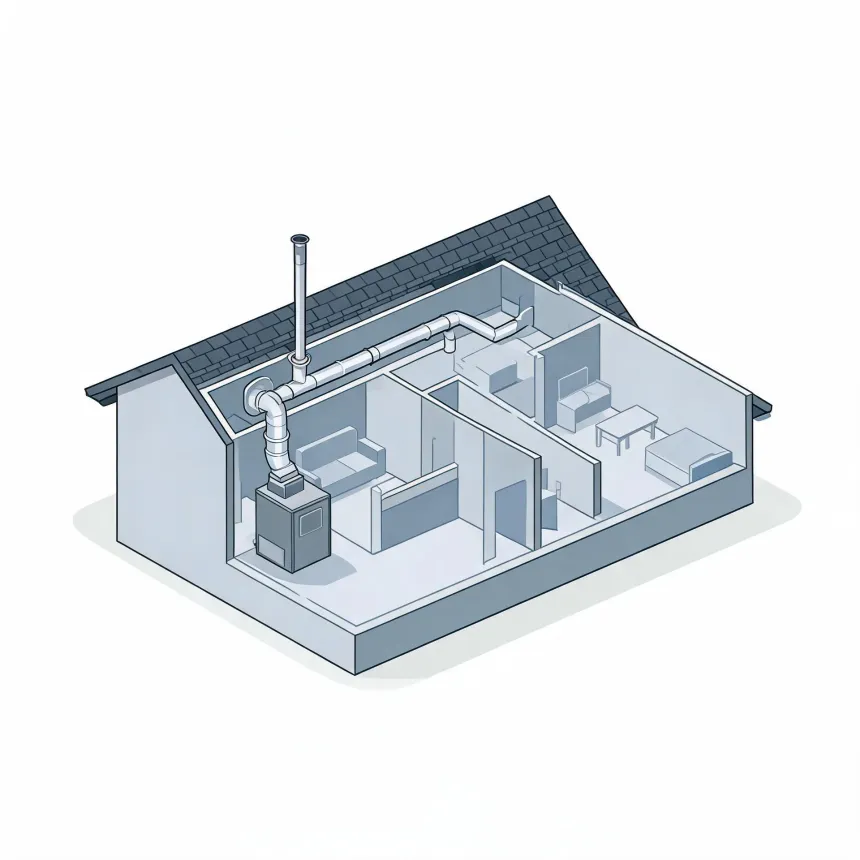
Isometric cutaway illustration of a single-story house showing interior rooms with furniture and a furnace connected to ductwork and a vertical flue pipe extending through the roof.
Your furnace works hardest from November through March.

NOAA nClimDiv, 1991–2020 normals

The right size furnace matches your home's heat loss, not the size of the one you're replacing.

Ask for a load calculation, not just a guess based on square footage.

Greene County's weather is rough on a system, but it doesn't change what size furnace you need

99 severe weather events from 2015 to 2024
24% of homes statewide lost power a day or more in 2024
42 damaging wind events from 2015 to 2024

September is worth marking on the calendar if a new furnace is on your mind. Heat comes on in October here and stays on through April, seven months of the year leaning on this system. Installing before that start gives the contractor time to size the unit properly and get the ductwork and venting right, instead of rushing to get heat back on in a cold house. Wait until the first cold snap and you're choosing from whatever's available on short notice, not necessarily what fits your home best.

Size It Right, Not Big

At $36.10 per million Btu, electricity here isn't cheap to run on a furnace sized bigger than your home needs. A proper load calculation gets you a standard size and efficiency that fits Greene County homes fine, nothing more.

Find a contractor
A man in a gray t-shirt and tan work pants, seen from behind, climbs concrete steps toward a dark blue front door while carrying a canvas tool bag, with a potted shrub beside the entry.
A gray residential gas furnace installed in an unfinished basement, surrounded by ductwork, a metal flue pipe, and a gas supply line.

The old furnace doesn't get a second life here, it gets replaced

When the old furnace comes out, the installer disconnects it from the ductwork, the venting and its power or gas supply, then takes it out the way it came in. A furnace that size doesn't fail all at once. The heat exchanger cracks, the igniter weakens, or the blower motor starts drawing more than it should, and each of those is a sign the unit is working harder to do what it used to do easily. Hauling it off is standard practice, not an extra step, and it clears the way to check the ductwork and venting behind it, since those often get reused with the new unit and need to be sized and sealed for it, not just left as they were.

The rating tells you the waste, not the output

An efficiency rating on a furnace tells you how much of the fuel it burns turns into heat for your home, and how much goes out the vent. A higher rated furnace wastes less fuel doing the same job. It doesn't tell you how much heat your home needs or how big the unit should be. A furnace built for a small home and a furnace built for a large one can carry the same rating.
A high rating on the wrong size furnace doesn't save you anything

A furnace sized too big for your home cycles on and off more than it should, and it wears out doing that regardless of what the label says. The rating only pays off when the furnace is sized to your home's actual heat loss and runs the way it's meant to, long steady stretches instead of short bursts. Chasing a higher number without a load calculation to back it up is paying for a label, not for lower bills.

A load calculation looks at what actually holds or loses heat in your home. Floor space is part of it, but so is how much window glass you have, how much insulation is in the attic and walls, which way rooms face, and how much air leaks in around doors and gaps. Homes the same size can come out with different numbers because one has more window area or thinner insulation than the other. The calculation gives the contractor a figure for how much heat escapes on the coldest day, and the furnace gets matched to that figure. Oversize it and the furnace blasts heat fast, shuts off, then starts again shortly after, never running long enough to heat evenly or pull moisture out of the air. Undersize it and it runs constantly without catching up on the coldest days. The right size runs in long, steady stretches and keeps the house even from room to room.

Install day starts with the old unit already disconnected and out of the way, so the work is building the new system into place, not fighting the old one. The furnace gets set and leveled, then connected to the supply and return ducts, the venting, and either the gas line or the electrical circuit it needs to run. Ductwork gets sealed at every joint it connects to, since a leaky seam there wastes heat before it ever reaches a room. The venting gets checked for the right pitch and clearance, because a furnace that can't vent properly won't run safely no matter how well it's sized. Once it's wired or piped in, the contractor fires it up, checks the temperature rise across the furnace, and watches it cycle through a full run to make sure it's heating the way the load calculation said it should.