





Two white Southern-style homes with wraparound porches lit by landscape lighting at night, flanked by live oak trees hung with Spanish moss.

Furnace Repair in Benton, AR

Tell us about the job

Takes about a minute. No obligation.

RepairFurnace or heatingSaline County, AR
Step 1 of 2

What ZIP code is the job in?

Half the homes in Saline County were built in 1997 or later. If your house falls on that side, your furnace is probably not old enough to be the reason it's acting up. Something like an igniter or a flame sensor can fail early in a unit's life just as easily as late in it, and that kind of fix has nothing to do with the furnace's age. Worth checking when the system was put in, especially if it came with the house.

5 months
November through March, your furnace is on duty
33°F
the average winter night it heats against
11 winter storms
in ten years, the nights a failure hurts most
Isometric cutaway illustration of a single-story house with a dark shingled roof, showing interior rooms with furniture and a furnace connected to ductwork and a flue pipe extending above the roof.
Your furnace works hardest from November through March.

NOAA nClimDiv, 1991–2020 normals

Furnace in Benton only has to run about five months a year, November through March.

A short work season like that means a furnace rarely fails from strain, so a repair is usually the fix, not a new system.

October is when a weak furnace gets found out

Heat runs November through March
Winter nights average 33°F
11 winter storms from 2015 to 2024

Get it fixed now, while the job is still easy

A light workload most of the year is exactly why a repair is usually the right call. Get it fixed now and it should carry you through the cold nights still ahead, including the ones near 33°F, without having to prove itself the hard way.

Find a contractor
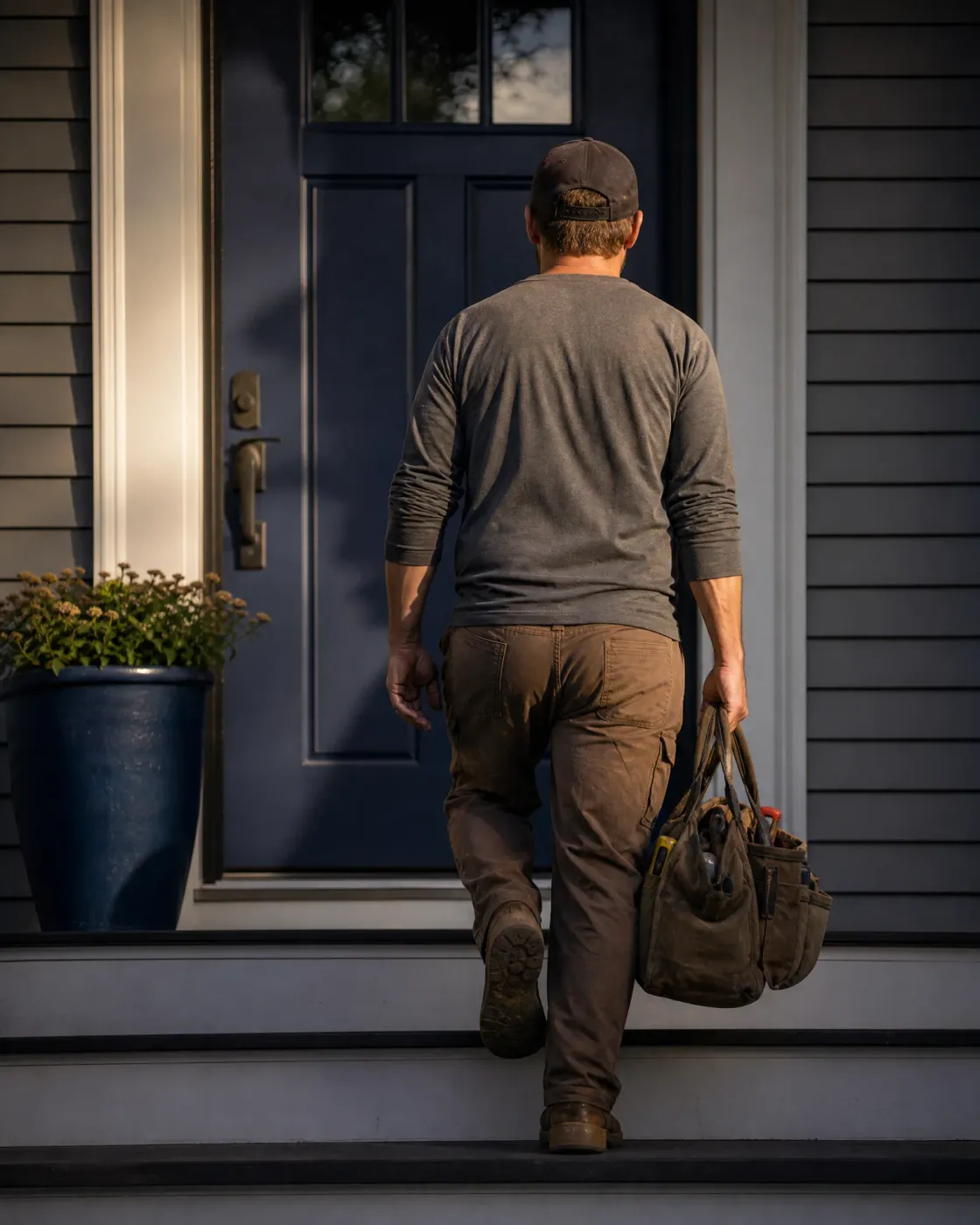
A man in a cap, gray long-sleeve shirt and brown work pants walks up porch steps toward a dark blue front door, carrying a canvas tool bag, with gray horizontal siding and a potted flowering plant nearby.
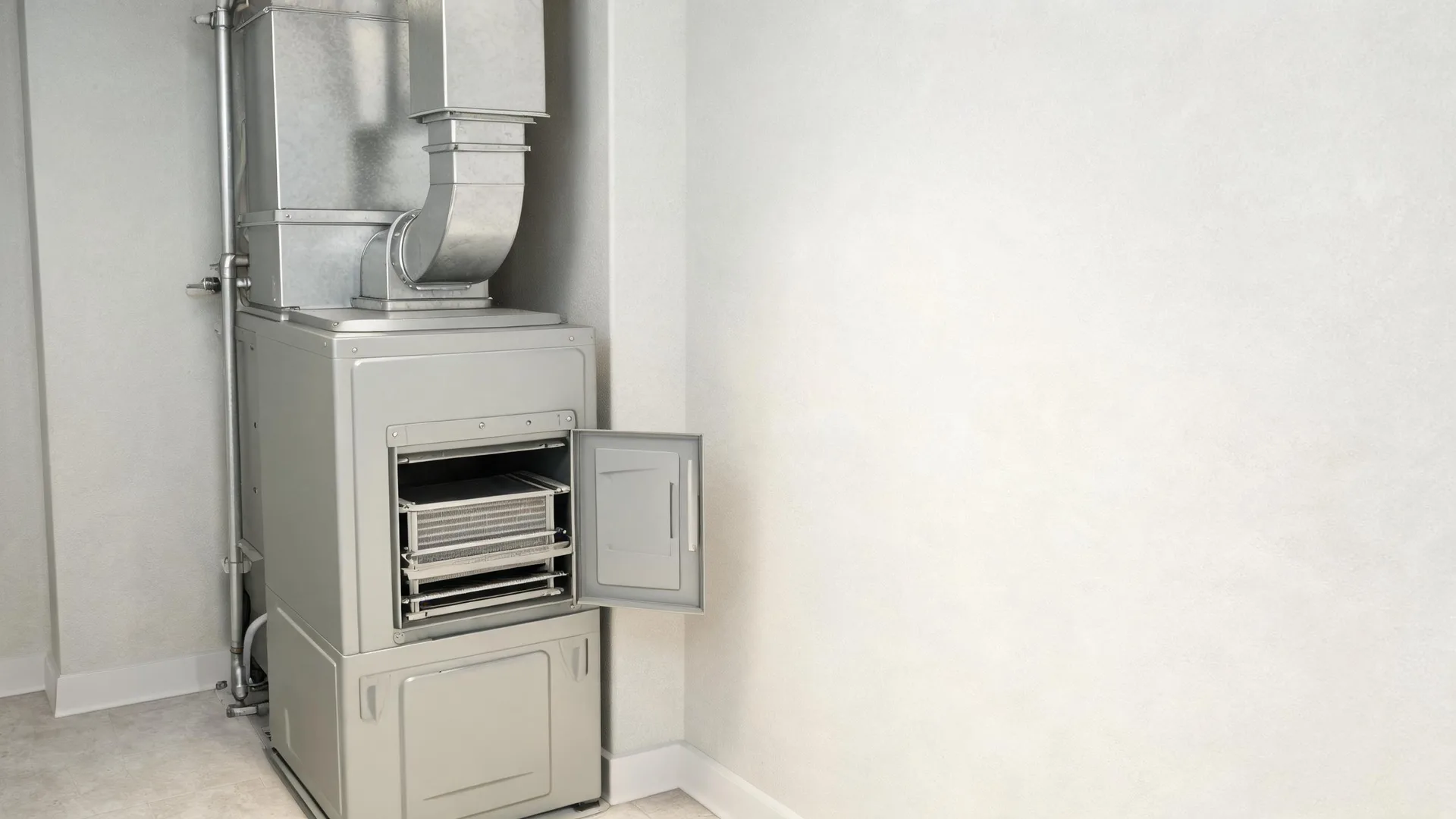
A gray gas furnace with attached ductwork and piping installed in an unfinished concrete basement.

Furnaces fail part by part, not all at once

Most furnace failures trace back to one of a few parts, not the whole system wearing out. The igniter cracks or weakens over time and stops lighting the burners. The flame sensor gets a coating of residue and can no longer tell the control board a flame is there, so the unit shuts itself down as a safety check. A blower motor can run for years and then start grinding as its bearings wear. Thermostats and control boards fail on their own schedule, unrelated to how hard the furnace has worked. None of this has much to do with wear from heavy use. A furnace that short-cycles, one that starts and stops before it's actually heated the house, is usually pointing at a clogged filter or a flame sensor that needs cleaning, not a system on its way out.

Check the simple stuff first

Make sure the thermostat is set to heat and the setting is above room temperature. Check that the furnace switch, it looks like a light switch near the unit, is on. Look at the breaker for the furnace and the one for the air handler if they're separate. A filter clogged with dust can choke airflow badly enough that the furnace overheats and shuts itself off, so pull it out and hold it up to a light. If you can't see light through it, replace it.
Know what to tell the tech

Before you call, notice what the furnace is actually doing. Does it try to start and then shut off, or does nothing happen at all. Do you hear clicking with no flame, smell gas, or hear a hum without the blower kicking on. Is the pilot light or igniter glowing when you look in the viewing window. Telling the tech exactly what you saw and heard, rather than just 'it's not working,' gets them to the right part faster.

A furnace that's struggling usually sends a warning before it quits outright, and running it anyway tends to turn a small repair into a bigger one. A cracked igniter that only lights part of the time will keep trying on every cycle, and each failed attempt is wear it didn't need. A dirty flame sensor that's starting to misread the flame will shut the burner down more and more often, and each shutdown stresses the parts that start it back up. A blower motor with worn bearings will keep drawing on those bearings until they seize, instead of being replaced on your schedule instead of its own. Even something as simple as a clogged filter, left alone, can push a furnace to overheat and trip its limit switch again and again, and that switch isn't built for repeated tripping. The fix is almost always smaller the day the symptom shows up than it is a few weeks later.

A diagnostic visit starts before any panel comes off. The tech asks what happened and when it started, and what the furnace was doing right before it quit, since that points toward certain parts and rules out others. Then the cover comes off and the tech watches it run through a cycle. Does the inducer motor start. Does the igniter glow. Does the burner light. Does the blower kick on when it should. A multimeter checks what the eye can't, like whether the flame sensor is reading a strong enough signal and whether the control board is sending power where it needs to go. The cause usually shows itself in that first cycle. Whatever time is left goes to checking that nothing else is close behind it.