Night view of illuminated white Southern-style houses with wraparound porches beneath Spanish moss-draped oak trees.

Heat Pump Maintenance in Little Rock, AR

Tell us about the job

Takes about a minute. No obligation.

Tune-up, service, or cleaningHeat PumpPulaski County, AR
Step 1 of 2

What ZIP code is the job in?

Keep the filter clean

A dirty filter chokes airflow across the indoor coil, and a heat pump moving less air has to work harder to heat or cool the same room. Check it on a regular schedule and replace or rinse it when it looks gray or matted. This is the one job a homeowner can do that actually prevents a service call.


Keep the outdoor unit clear

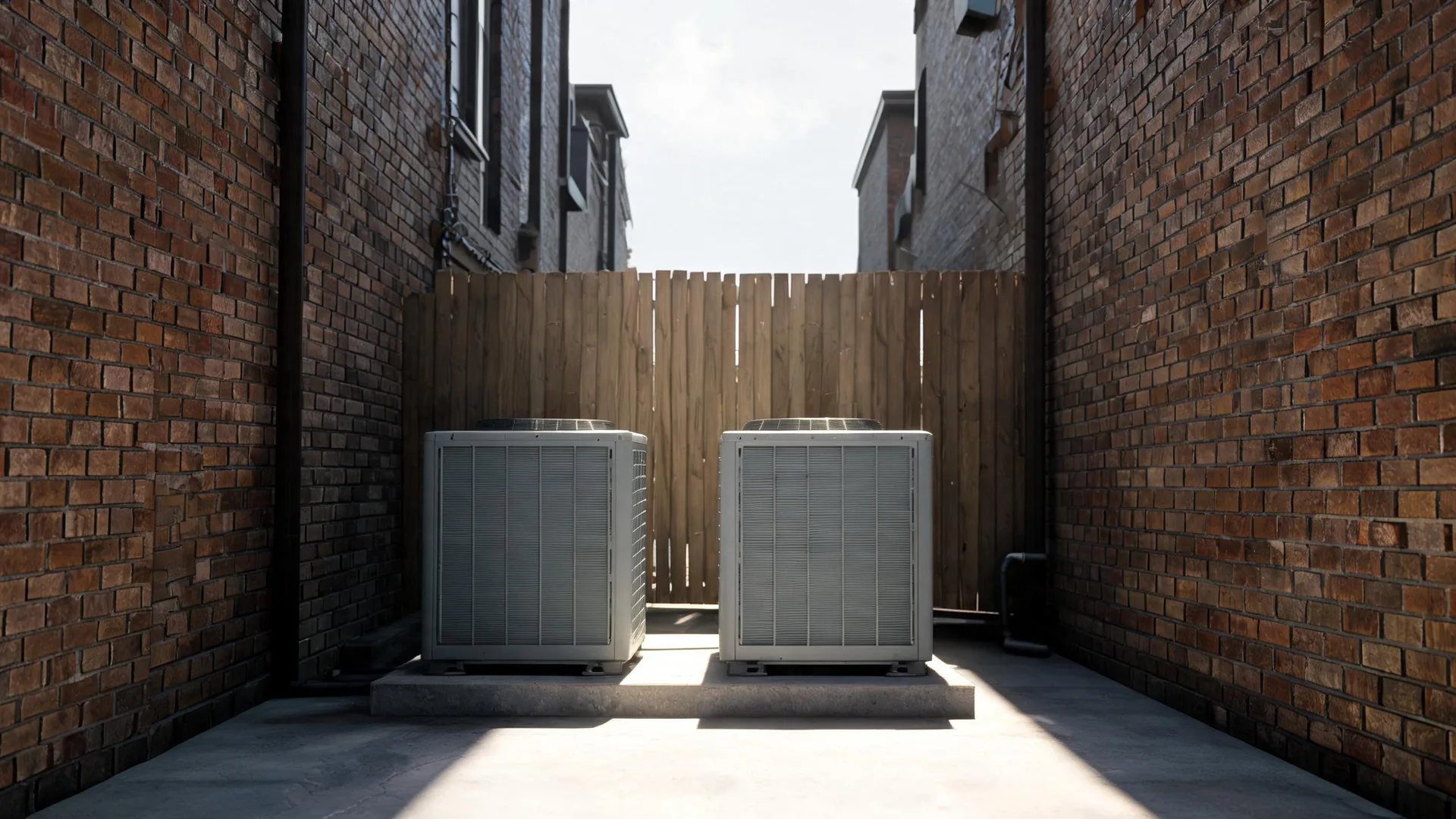
The outdoor unit needs open space around it to pull air through the coil. Leaves, grass clippings, dryer lint and mulch piled against the cabinet block that airflow and make the system run longer to do the same job. Walk around it now and then and clear anything stacked against the sides or caught in the fins.

Half the homes in Pulaski County were built in 1981 or later.

A heat pump that age still has years ahead of it, and a yearly check is what gets it there.

April is the month to have it looked at, before May asks it to work

Cooling runs May through September
Heat runs November through March
178 damaging wind events from 2015 to 2024

If your heat pump went in with the house, a yearly check is what keeps it running that way. A tech can catch a refrigerant charge drifting low or a contactor starting to wear before either one leaves you without heat or air. That visit also means someone is looking at the system before summer, not after it has already struggled through a few weeks of heat. For a unit with years ahead of it, that's a small thing to schedule now rather than find out about later.

Keep it in good shape

If your system is fairly new, a yearly check keeps it in good shape for longer.

Find a contractor
A man in a cap, long-sleeve shirt and work pants climbs porch steps toward a dark blue front door, carrying a worn canvas tool bag, with a small potted evergreen beside the entry.
A gray outdoor HVAC unit mounted on a concrete pad beside a house with gray lap siding and a stone foundation.

The system usually gives you a warning first

A heat pump that's due for a check doesn't always announce it. Watch how it runs through a full cycle. It should switch from heating to cooling without a long pause or a burst of air that feels off temperature for a minute. If it's cycling on and off more than it used to, or running long stretches without shutting off, that's worth a look even if nothing's failed yet. Frost on the outdoor coil is another one. A little frost during a defrost cycle is normal. A coil that stays iced over, or a unit that never seems to defrost at all, points to a problem with the reversing valve or the defrost control. Listen for it too. A new rattle, a hum that wasn't there before, a clicking that repeats. None of these mean the system is failing. They mean it's asking for the same yearly check that keeps a unit this age running well for years more.

The coil has to stay clean too

The indoor coil can only move heat if air passes through it freely. Dust that gets past the filter settles on the coil fins over time and insulates them, the same way a layer of dust on a radiator keeps it from throwing heat. A tech cleans this during a yearly check. It is not something you can see without pulling the system apart, which is why it waits for a visit instead of a weekend chore.

The drain line keeps the whole thing dry

Cooling pulls moisture out of the air, and that water has to leave through a condensate line. If that line clogs with algae or sludge, the water backs up into the pan under the coil and from there into the house. A tech checks that the line drains freely and the pan isn't holding water it shouldn't. It's a small check next to the coil and filter, but it's the one that prevents a leak instead of a comfort problem.

A lot of what a tech checks during a tune-up isn't visible from the outside. The refrigerant charge is one. Too little and the system can't move heat the way it should, but you won't see that from the thermostat, you'll just notice it running longer and still falling short. Electrical connections loosen over time from the vibration of the unit cycling on and off, and a loose connection at the contactor or the capacitor terminals can run hot enough to fail without any warning first. A tech also checks the capacitor itself, since a weak one makes the compressor or fan motor strain to start even though the system still seems to run fine. None of this shows up as a symptom until the day it does.

A tune-up also means someone checks the reversing valve, since that's the part that switches a heat pump between heating and cooling and it doesn't get exercised the same way all year. If it sticks, the system can get stuck blowing cold air in the winter or warm air in the summer, and that's confusing to troubleshoot from the thermostat alone. A tech also checks the refrigerant lines and the connections at both the indoor and outdoor units for signs of oil residue, which is usually the first clue of a slow leak before it becomes a system that won't hold a charge. Airflow gets measured too, not just looked at. A heat pump that's low on airflow because of a dirty blower wheel or a collapsed duct run has to work harder no matter how clean the coil is or how correct the charge is. A full tune-up ties all of it together instead of treating one part at a time.