






An outdoor heat pump unit mounted on a concrete pad beside a house with beige siding and a landscaped garden bed.

Heat Pump Maintenance in Harrison, AR

Tell us about the job

Takes about a minute. No obligation.

Tune-up, service, or cleaningHeat PumpBoone County, AR
Step 1 of 2

What ZIP code is the job in?

Half the homes in Boone County were built in 1985 or later. If your heat pump came with a newer house, it's probably well short of the end of its working life. A yearly check on a system that age isn't about catching something already going wrong. It's about keeping the coil clean and the refrigerant charge correct so the unit keeps running the way it did when it was installed. Skip that for a few years and the system still runs, just harder than it needs to.

Winter nights here average 28°F, nothing close to the extreme cold a heat pump has to fight in colder states.

A heat pump in Boone County isn't straining against the air most winter days, so a yearly check is what keeps it running that easy.

September is the month to get this checked, before heat takes over in October

Cooling runs June through September
Heat runs October through April
43 hail events from 2015 to 2024
Boone County doesn't ask much of a heat pump43 hail events between 2015 and 2024, and almost none of them aimed at what's sitting outside on your pad.

Set a date you'll use every year and keep it. A tech checking a heat pump that's only a few years old is looking for small things, a connection that's loose, a coil picking up dust, a charge that's drifted slightly off. Catching that early is what keeps a newer system running like a newer system for longer. If the heat pump was already there when the house was built in 1985 or earlier, the check still matters. It just shifts toward how much life is left in it rather than keeping it like new.

Keep the yearly check on the calendar

An easy climate still means a yearly check. Have the coil and charge looked at once a year and the system keeps doing what it's already good at here.

Find a contractor
A man in a cap, gray shirt and brown work pants, seen from behind, carries a canvas tool bag up steps toward a dark navy front door beside a potted shrub.
A white mini-split heat pump outdoor unit mounted on a concrete pad beside a gray-sided house, surrounded by gravel and green shrubs.

It runs both directions, all year, so there's no season it gets to rest

A heat pump runs in both directions. It heats in winter and cools in summer, so it never really gets a season off. Watch the outdoor coil during the colder months. Some frost is normal, but it should clear on its own during the defrost cycle. Frost that stays built up means that cycle isn't doing its job. Listen for the reversing valve too. That's the part that switches the system between heat and cool, and it should do it quietly. A hesitation or a clunk when it switches over is worth a look. Short cycling is another sign, where the unit kicks on and off in quick bursts instead of settling into a full run. That wears on the compressor faster than steady running does. None of this means the system is about to fail. It means something is drifting and a check will catch it while it's still small.

Anyone can hose off a coil

A quick visit gets the coil rinsed, the filter checked, and the thermostat cycled to make sure the unit kicks on. That tells you the system runs. It doesn't tell you whether the charge is correct or whether a connection is starting to loosen behind the panel.
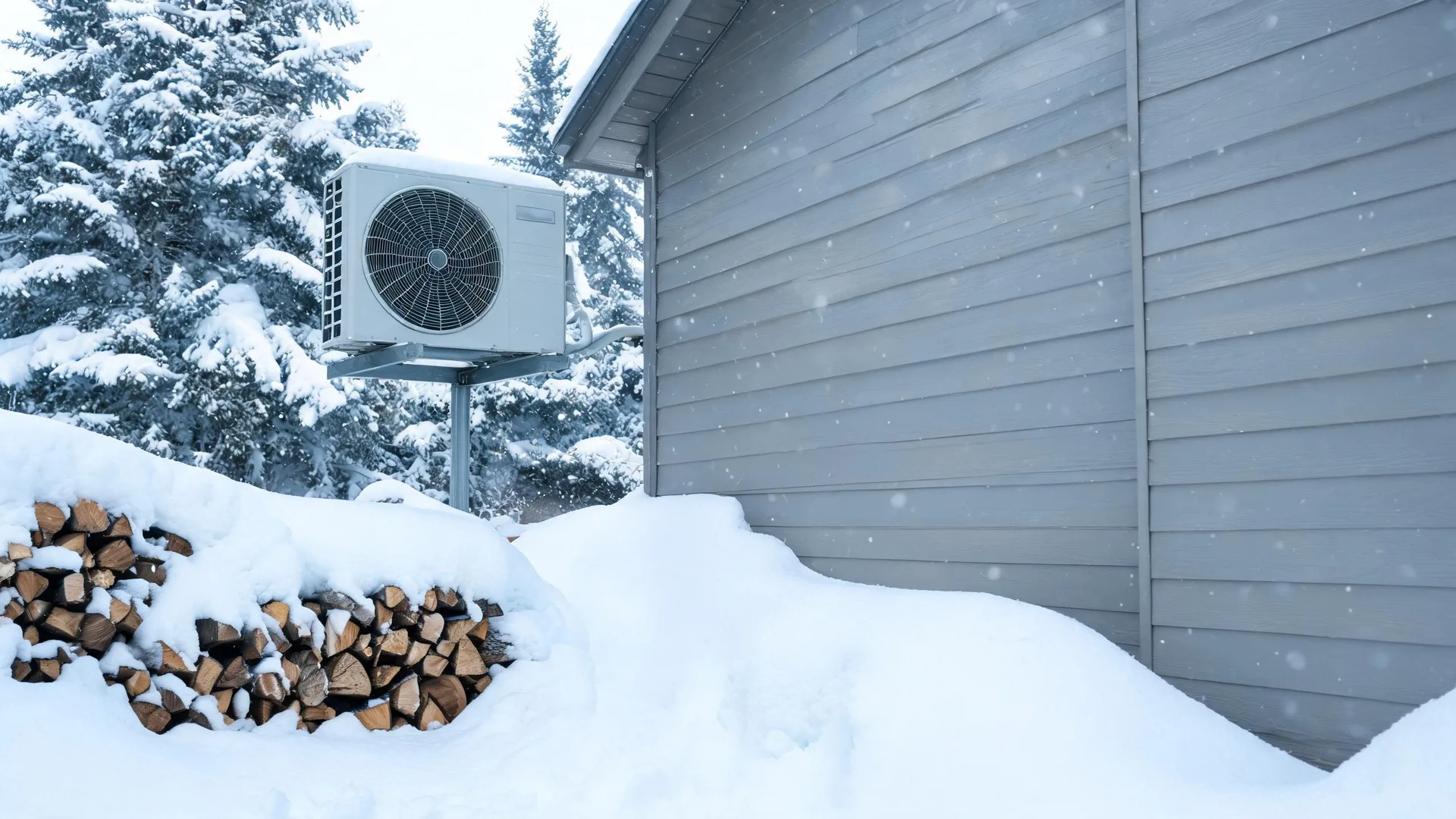
The difference shows up in the numbers written down

A thorough check ends with actual readings measured against the manufacturer's spec. Capacitor output, refrigerant pressures, the temperature split across the coil. If the tech hands you a sheet with numbers on it, they measured something. If they just say it looks fine, they didn't check at all.

Inside, the filter is the part that's easy to check and easy to forget. A clogged filter chokes airflow across the indoor coil, and the system has to run longer to move the same amount of heat. Leave it too long and that coil can ice over in heating mode or sweat and stay wet in cooling mode. Either way, the condensate drain is next in line. It carries off the moisture the indoor coil pulls out of the air, and if algae or dust clog that line, the water backs up instead of draining out. A float switch will usually shut the system down before that turns into water damage, but a tripped switch means the system just stops working until someone clears the line. A dirty filter strains the coil, and a neglected coil floods the drain.

A tune-up on a heat pump means hands on the system, not just a glance at the thermostat. Outside, that's pulling the panel to check capacitor readings and contactor wear, checking refrigerant charge against what the unit calls for, and washing the coil rather than just looking at it. Inside, it's pulling the blower and checking the motor and wheel for dust buildup, since a dirty blower wheel loses airflow the same way a dirty filter does. A good tech also checks the reversing valve under both modes, not just one, since a valve that switches fine in cooling can still hesitate in heating. Electrical connections get checked for looseness, since a loose connection generates heat on its own and burns the contact down over time. None of this is guesswork. Every reading gets compared against what the manufacturer specifies for that unit, which is the only way to know if something's actually drifted or if it's still within range.