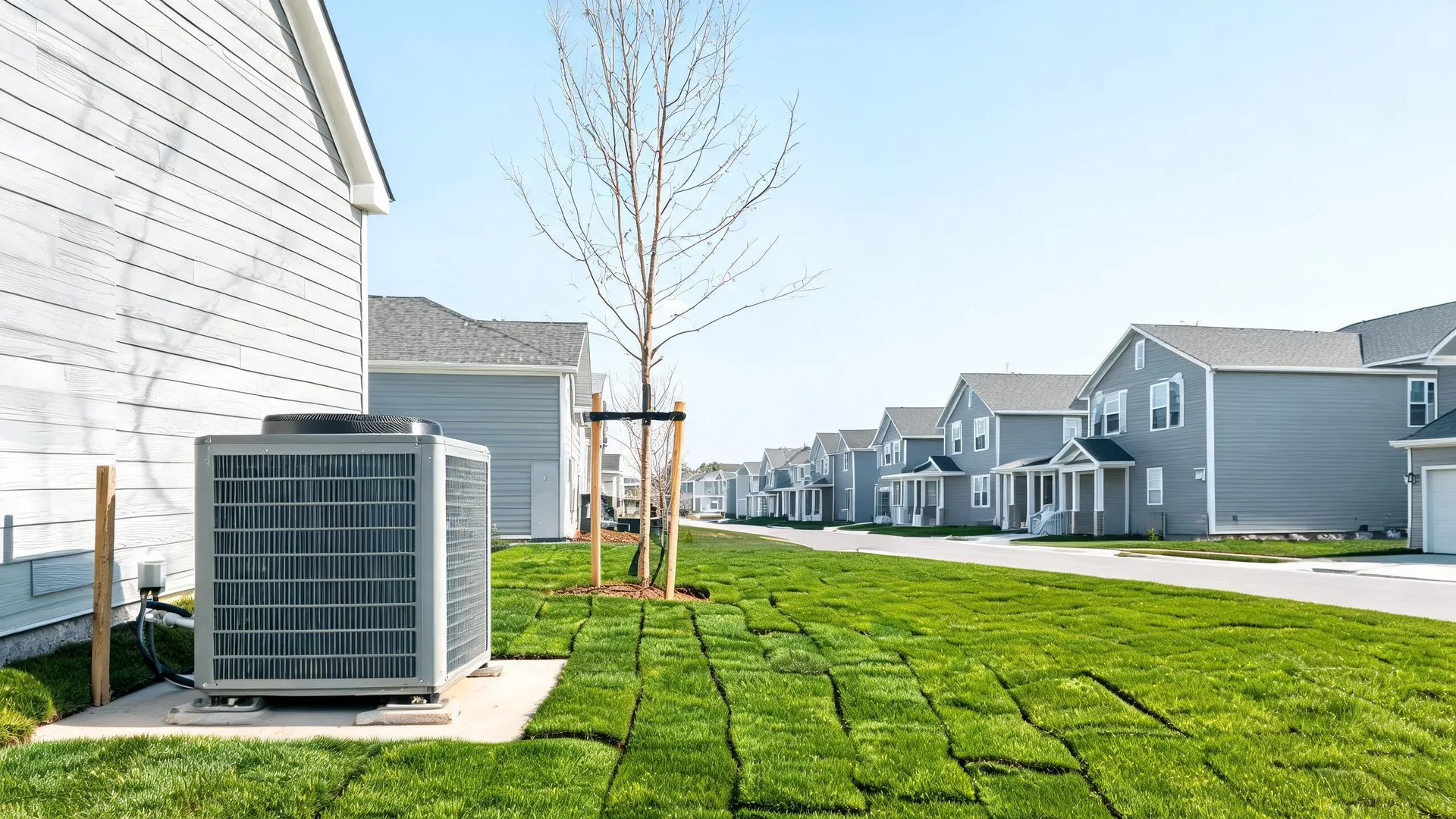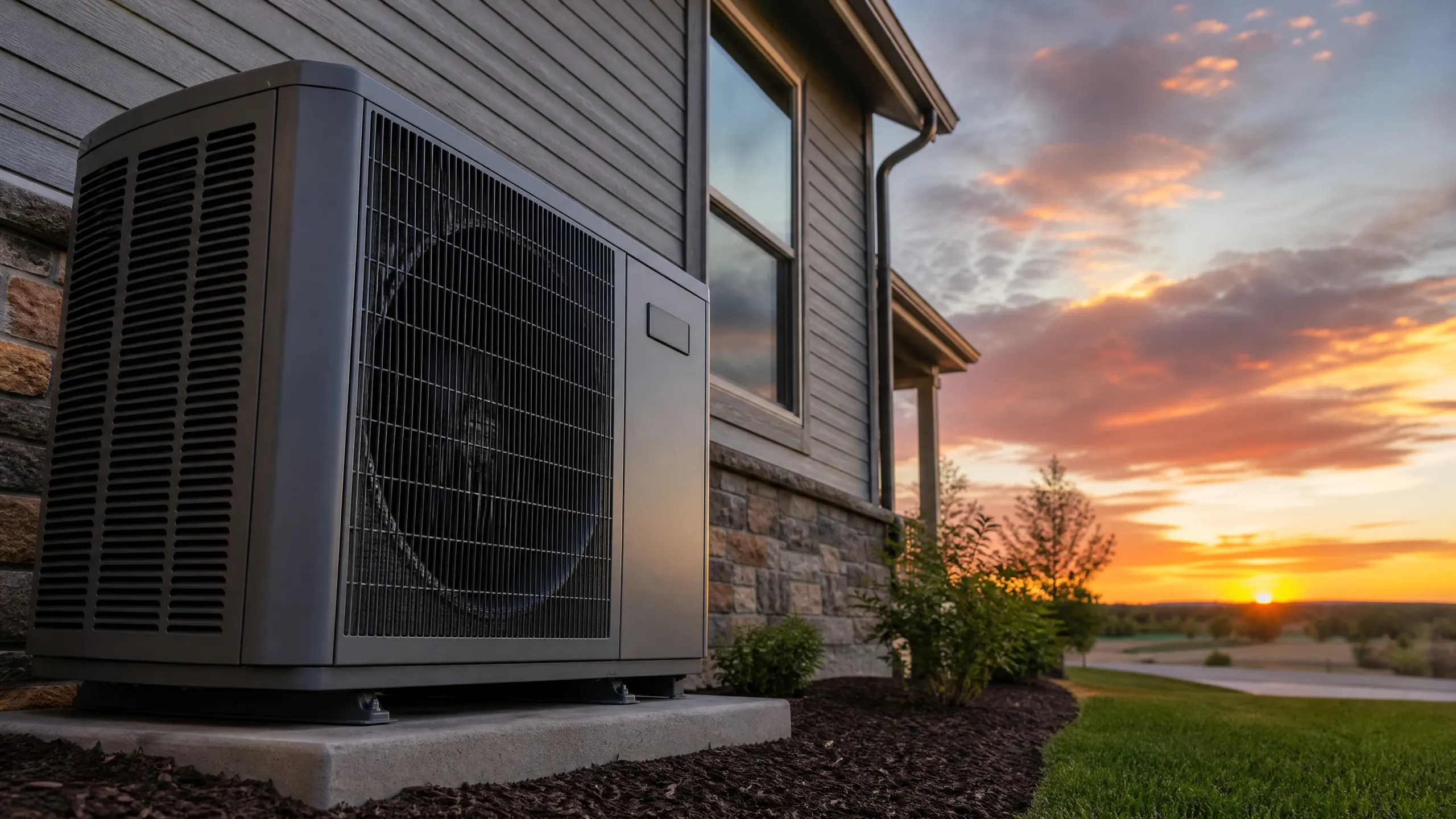
An outdoor air conditioning condenser unit mounted on a concrete pad next to a residential house at sunset.

Heat Pump Maintenance in Hot Springs, AR

Tell us about the job

Takes about a minute. No obligation.

Tune-up, service, or cleaningHeat PumpGarland County, AR
Step 1 of 2

What ZIP code is the job in?

Refrigerant charge that looks fine and isn't

A heat pump low on refrigerant will still blow air and still switch between heating and cooling. Nothing about it seems wrong from inside the house. A gauge set on the lines is what shows the charge is off, and running that way for a long stretch wears on the compressor.


What that means for the compressor

The compressor is the part nobody wants to replace, and it's also the part that fails quietest. It doesn't throw a code when it's straining, it just runs hotter and shorter. Catching a weak start capacitor or a low charge during a check is what keeps that compressor from being the thing that finally gives out.

Garland County logged 57 hail events between 2015 and 2024.

A heat pump outside through that gets its coils and cabinet checked before hail is the reason it's struggling.

Half these homes were built by 1984, which means half the heat pumps out there are newer than that, and newer still means worth protecting

Half the homes here were built by 1984
57 hail events from 2015 to 2024
Power costs 12.32 cents a kWh statewide
Hot Springs heat pumps work hardest starting in MayHomes here run cooling May through September, so April is the month to get the heat pump checked.

Garland County logged 61 damaging wind events between 2015 and 2024. That outdoor unit sits through all of it, taking wind and whatever it carries along. A bent or dirty coil forces the system to work harder to move the same heat, and a cracked cabinet lets weather in where it doesn't belong. A check before storm season catches that kind of damage while it's still a fan setting and a coil cleaning, not a replaced unit. Worth doing too since close to a quarter of Arkansas households lost power for a day or more last year, and a heat pump that was already struggling has a harder time once that power comes back.

Get the coils checked before the next hail event

Fifty-seven hail events hit Garland County between 2015 and 2024, and that outdoor unit takes it with no cover. A check now catches a bent fin or a dented cabinet while it's still a simple fix, before the next storm turns it into something bigger.

Find a contractor
A man in a cap, gray work shirt and dark pants, seen from behind, carries a worn canvas tool bag up porch steps toward a dark navy front door beside a potted shrub.
A white mini-split heat pump outdoor unit mounted on a concrete pad beside a gray-sided house, surrounded by gravel and green shrubs.

A newer heat pump still needs a yearly look

A system installed new still needs eyes on it every year. Early on there's nothing to find, but that's exactly when a yearly check is cheapest, since it's just confirming the charge and the capacitor are where they should be. Skip those early years and the first check might come after something's already drifted. If your system came with the house, find out when it went in and start the yearly schedule from there.

The defrost cycle stops clearing frost

A heat pump outside should go through short defrost cycles in cold weather, melting off the frost that builds on the coil. Watch for a coil that stays white or stops sending out that puff of steam. A failing defrost board or a stuck reversing valve means the frost keeps building until it blocks airflow across the coil entirely.

Warm air that isn't warm enough

Heating mode on a heat pump never feels as hot as a furnace, and that's normal. What isn't normal is air that used to feel warm at the vent and now feels barely above room temperature. That drop points to a reversing valve not fully shifting or a charge that's slipped low, and a check will tell you which one it is before the system just stops heating altogether.

Between visits there's a short list worth doing yourself. Keep the filter clean, since a clogged one starves the system of airflow and makes every other part work harder than it should. Walk around the outdoor unit now and then and clear anything piled against it, leaves, grass clippings, a stray branch, so air can move through the coil the way it's supposed to. Keep at least a couple feet of open space around the cabinet on all sides. Inside, check that the vents aren't blocked by furniture or rugs. None of that replaces a real check with gauges on the lines, but it keeps the system from working against itself in the meantime.

A real tune-up checks both sides of the refrigerant cycle, not just the one in the backyard. Inside, that means the coil above the furnace or air handler, since a dirty indoor coil restricts airflow the same way a clogged filter does. Static pressure matters too. A duct system that's too restrictive makes the blower motor work harder than it should, and that shows up as higher amp draw even when everything else checks out fine. A thorough visit measures superheat and subcooling rather than just checking that the pressures look roughly right, because those readings together are what confirm the charge is correct for the exact conditions that day. Electrical connections get checked for heat damage, since a loose lug running high current will scorch a wire nut long before anything stops working outright. None of this is guesswork. It's the same readings, taken the same way, every time.