




Single-story houses with beige siding and a brick building set on a mown lawn behind a trimmed hedge, framed by large oak branches draped with Spanish moss.

Heat Pump Maintenance in Arkadelphia, AR

Tell us about the job

Takes about a minute. No obligation.

Tune-up, service, or cleaningHeat PumpClark County, AR
Step 1 of 2

What ZIP code is the job in?

Skip maintenance long enough and a heat pump starts working harder to do the same job. Dirt on the outdoor coil blocks heat transfer, so the system runs longer to reach the same temperature. A dirty filter chokes airflow across the indoor coil, and in cooling mode that can cause ice to build on it. Low refrigerant from a slow leak goes unnoticed without someone checking pressures, and it makes the compressor work harder than it was built to. None of this happens overnight. It shows up as longer run times first, then as a system that cycles more than it used to, then as a part that fails under the strain. A yearly check catches the dirty coil and the low charge before either one takes the compressor with it.

Half the houses in Clark County were built in 1985 or later.

A heat pump that age still has years ahead of it, and a yearly check is what gets it there.

Clark County weather is hard on a heat pump. Once a year of checking keeps it running.

65 severe weather events from 2015 to 2024
24% of homes statewide lost power a day or more in 2024
30 damaging wind events from 2015 to 2024

A yearly check on a newer heat pump is a different job than on an old one. The technician isn't hunting for a system on its last legs. They're cleaning the outdoor coil, checking refrigerant charge, and making sure the electrical connections are tight before any of it has a chance to wear into a real problem. Catch a slow refrigerant leak early and it's a quick fix. Let it run unnoticed and it's a compressor. If your system came with the house or went in sometime after, a yearly visit is what keeps it on track to use up the years it was built for instead of losing them early.

Keep it in good shape

If your system is fairly new, a yearly check keeps it in good shape for longer.

Find a contractor
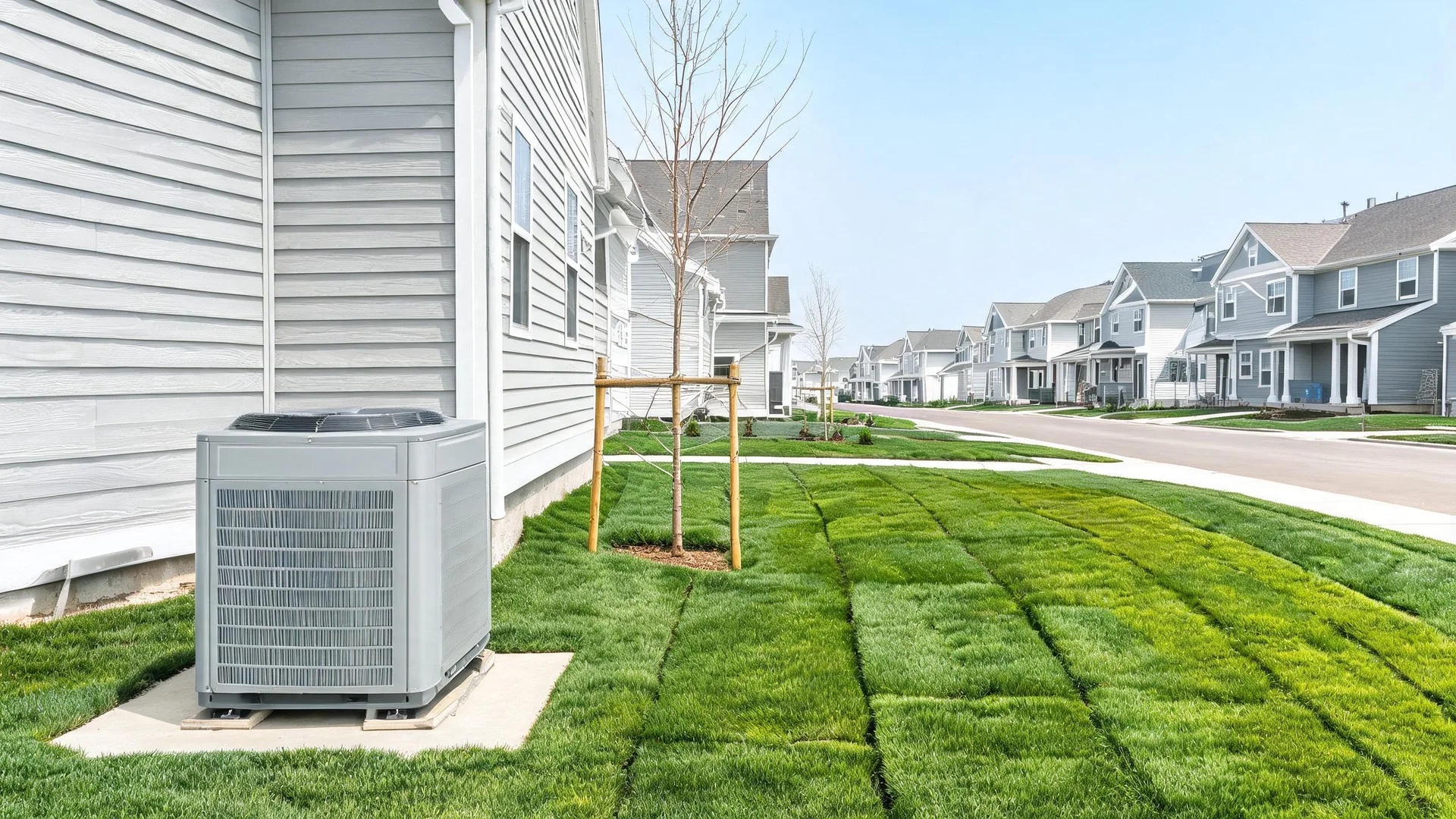
A gray heat pump condenser unit mounted on a concrete pad against the gray lap-siding exterior wall of a house.

Signs it's working harder than it should

A heat pump runs in both directions, so the signs of trouble can show up in either season. Listen for the outdoor unit running long after the house should have reached temperature. Watch the outdoor coil for frost that lingers outside of a defrost cycle instead of clearing on its own. Feel for air at the vents that seems cooler than it should on a heat call, or warmer than it should on a cooling call. A system short-cycling, turning on and off in quick bursts instead of running a full cycle, is telling you the same thing from the other direction. None of these mean the unit is done for. They mean it's working harder than it should to get the same result, and that's the point where a check finds the cause before the compressor pays for it.

What gets measured, not just looked at

A technician checks refrigerant pressures against the manufacturer's numbers, not a guess. They check the temperature split across the indoor coil and the amp draw on the compressor and fan motors. None of that shows up from looking at the unit or feeling the air at a vent. A reading that's off tells you something is wrong before the system starts struggling to keep up.
What it means for the reader

A reading that's slightly off this year is the thing to watch next year, not necessarily a repair today. That's the value of doing this every year instead of only when something acts up. The same technician checking the same numbers on the same system can tell you if the charge is drifting or a connection is loosening, long before it turns into a service call.

The indoor coil, the filter in front of it and the condensate drain underneath work as one system, and a problem in one shows up in the others. A dirty filter is the one part of this the homeowner can actually check. Pull it and hold it up to a light. If you can't see through it, air is struggling to get past, and that strain lands on the indoor coil behind it. A coil losing airflow runs colder than it should and starts picking up condensation it can't shed fast enough, which is how ice ends up on a coil that's supposed to stay just cold, not frozen. All that condensation has to leave through the drain line, and that line clogs with algae and dust over time the same as any drain does. A clogged drain backs water up into the pan under the coil, and from there it finds the nearest way out, usually down into the ceiling or the closet floor below the unit.

A tune-up starts outside. The technician shuts power to the unit, washes the outdoor coil clean of dirt and grass clippings, and checks that the fan spins freely and the motor isn't straining. Inside, they pull the filter, inspect the indoor coil for buildup, and check the condensate line for a clear path. Refrigerant pressures get checked against the manufacturer's charts, not eyeballed. Electrical connections get tightened, since a loose connection generates heat and that heat degrades the connection further until it fails. The reversing valve gets tested in both directions, because that's the part that lets a heat pump switch between heating and cooling, and a valve that's sticking won't always show it until the season it's needed.