White plantation-style houses with wraparound porches lit at night, surrounded by Spanish moss-draped live oak trees.

Furnace Installation in El Dorado, AR

Tell us about the job

Takes about a minute. No obligation.

New system or replacementFurnace or heatingUnion County, AR
Step 1 of 2

What ZIP code is the job in?

The efficiency math moves slower here

Arkansas electricity ran $36.10 per million Btu in 2024, below what a lot of the country pays. A high-efficiency furnace still uses less fuel, but the savings add up slower when the rate per Btu is already low. That changes how you weigh a pricier model against a simpler one.

Put the money into what fails first

With payback stretched out, the better bet is a furnace sized right for your house and installed to hold up through a power cut. Fit and reliability do more for you here than a few extra points of efficiency on paper.

5 months
November through March, your furnace is on duty
35°F
the average winter night it heats against
80% AFUE
the federal minimum any new unit must meet
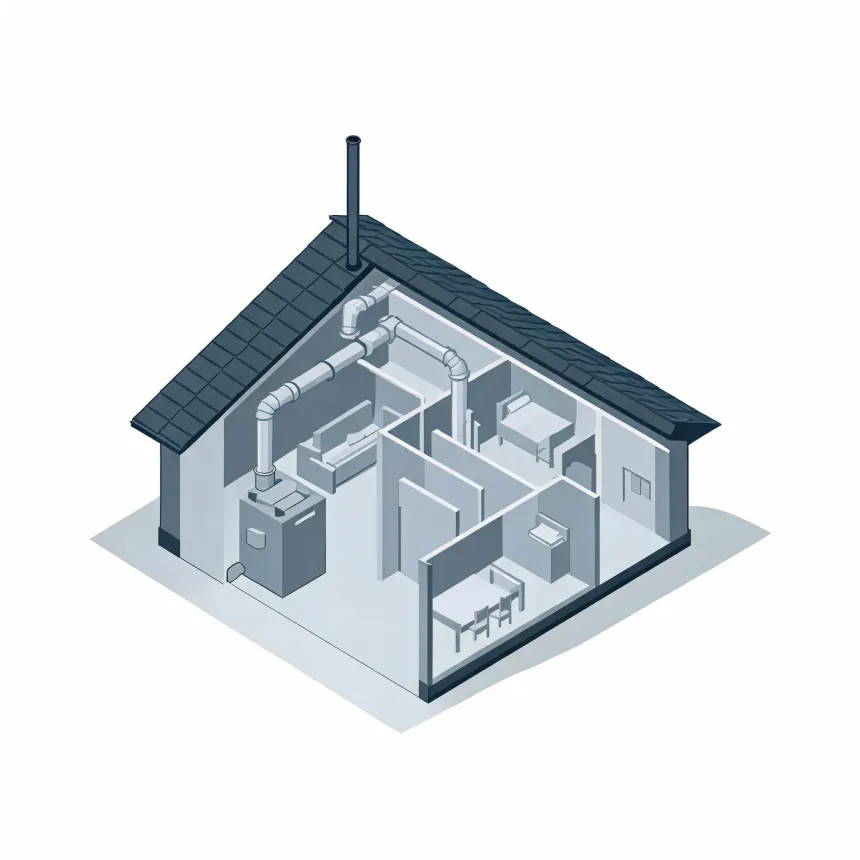
Isometric cutaway illustration of a small single-story house showing interior rooms with furniture, a furnace unit with attached ductwork running to a roof flue, and a dark shingled roof.
Your furnace works hardest from November through February.

NOAA nClimDiv, 1991–2020 normals

Five months of heat a year is a short season for a furnace to earn its keep.

A straightforward system can do the job here. You don't need to pay for the top efficiency tier to get through November to March.

Most of El Dorado heats with electricity, and a furnace install should match that

53.6% of homes heat with electricity
Heat runs November through March
Winter nights average 35°F

Half the homes in Union County were built in 1979 or earlier, half later, and that split doesn't point to anything unusual for a furnace install. A standard system sized to your house works the same whether the place is older or newer. The number worth knowing is that one in five homes in the county is a mobile home. If yours is one of them, it needs a furnace built and certified for mobile home installation, not a standard model fitted in. Outside of that, there's no local quirk pushing you toward a bigger unit or a pricier tier. Get the size right for your square footage and let the rest follow.

Get it done before November

Heat starts running here in November. October is the month to get a new furnace in, while you can still pick the install date instead of working around a breakdown in the cold.

Find a contractor
A man in a dark shirt and tan work pants, seen from behind, climbs stone steps toward a navy front door while carrying a waxed canvas tool tote, with a potted lavender plant beside the entry.
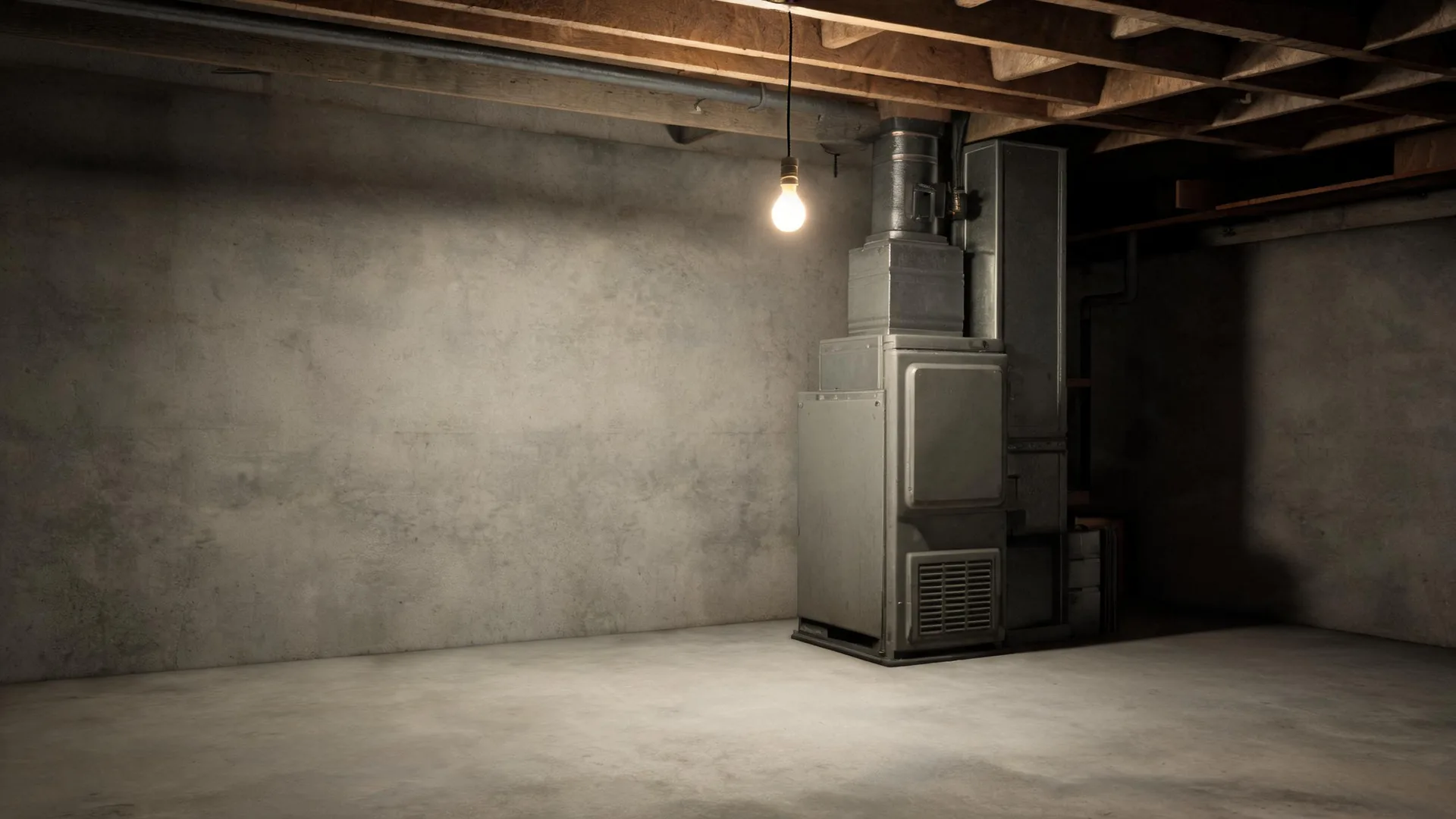
A gray residential gas furnace installed in an unfinished basement, surrounded by ductwork, a metal flue pipe, and a gas supply line.

Five months a year, and mild nights at that

Five months of running time a year is not much wear on a furnace. Overnight lows average 35°F through December, January and February, so it's not being asked to fight hard even on the coldest nights. Pick a reliable system sized to your house and it will handle this with room to spare.

Bigger isn't better

An oversized furnace heats the house fast, shuts off, then starts again a few minutes later. That short cycling wears the igniter and the blower motor harder than a full, normal run would, and it leaves rooms farther from the furnace never quite catching up before the burner shuts off again.

The math is a room by room count

A contractor works out furnace size by adding up how much heat your house loses through its walls, windows, ceiling and floor, not by matching the old unit or going by square footage alone. Window count, insulation and ceiling height all factor in, so a house that looks similar to its neighbor can still call for a different size furnace.

Taking out the old furnace is its own job, separate from setting the new one in. The gas line gets capped off safe before anyone disconnects the unit. If the old furnace shares a flue with the water heater, that venting gets checked too, since pulling one appliance off a shared flue can change how the other one drafts. Once it's disconnected, the cabinet often has to be cut down or broken apart to get it out, especially if it went in before a door or hallway was resized around it. From there it's scrapped for the metal. None of it gets reused, not the heat exchanger, not the control board, nothing kept as a spare part for later.

The old furnace comes out first, disconnected from the gas line, the vents and the ductwork it was tied into. The new unit gets set in place, leveled, and connected to the same gas line, vent and ducts, with any fittings that don't match the new furnace replaced rather than forced. Once it's hooked up, the contractor runs it through a full cycle and checks gas pressure, airflow at the registers and the temperature rise across the heat exchanger. A combustion analyzer reads the exhaust to confirm it's burning clean. Before the job is called finished, the house itself gets tested for carbon monoxide, not just the furnace.