






A nighttime street scene featuring a row of lit white colonial-style houses with wrap-around porches, flanked by oak trees draped in Spanish moss.

Furnace Installation in Harrison, AR

Tell us about the job

Takes about a minute. No obligation.

New system or replacementFurnace or heatingBoone County, AR
Step 1 of 2

What ZIP code is the job in?

Electricity heats close to half the homes in Boone County, and gas, utility or bottled, heats most of the rest. Both are common enough here that a contractor working on your street has installed plenty of each. If your home already has a gas furnace, putting in another one keeps the gas line, the vent, and the ductwork as they are. If you're on electric heat, an electric furnace or heat pump does the same. Matching what you already have is usually the straightest path, since switching fuels can mean new venting or new wiring, and that's a bigger job than a straight swap.

7 months
October through April, your furnace is on duty
28°F
the average winter night it heats against
80% AFUE
the federal minimum any new unit must meet
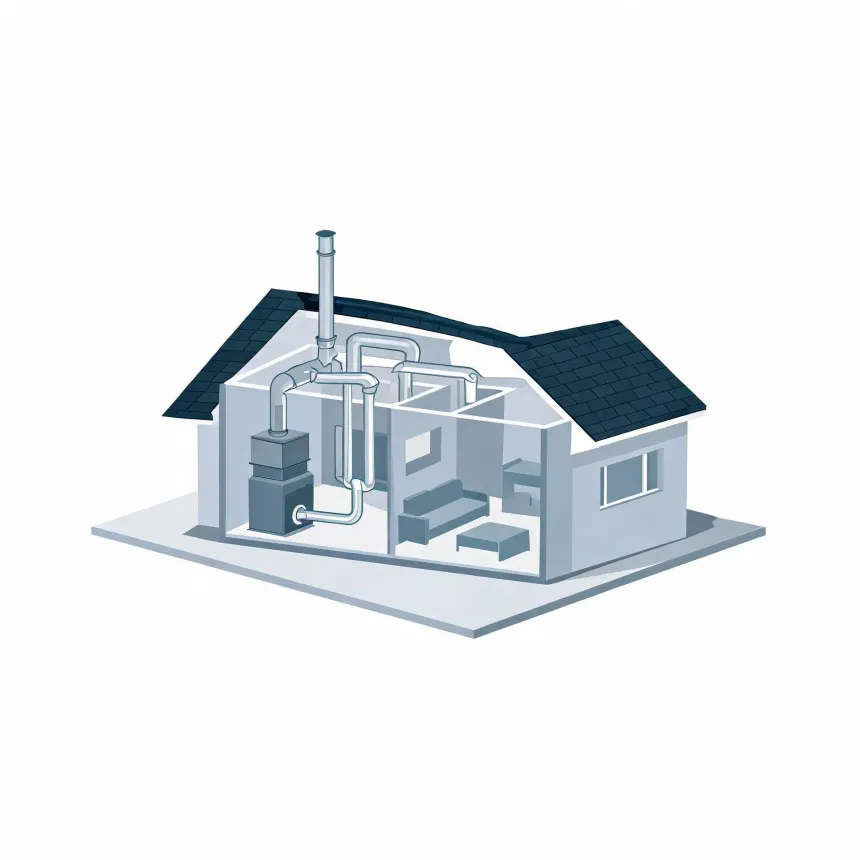
Isometric illustration of a cutaway single-story house showing a gray furnace unit, connected ductwork, and a vertical flue extending above the dark shingled roof.
Your furnace works hardest from November through March.

NOAA nClimDiv, 1991–2020 normals

A furnace sized right for your house runs less and lasts longer than one sized up just in case.

Harrison homes don't need an oversized unit to handle the winters here, so a standard size is the right call.

When the power goes out here, a standard furnace install doesn't need to plan around it

90 severe weather events from 2015 to 2024
24% of homes statewide lost power a day or more in 2024
37 damaging wind events from 2015 to 2024
Have it done before OctoberFurnace season runs October through April here, seven months straight.

The efficiency number on a furnace tells you how much of the fuel it burns turns into heat in your house, and how much goes out the flue. A higher rated furnace pulls more heat out of the same flame before letting the exhaust go. That difference shows up on your gas bill over the life of the unit, not on any single cold night. It also changes what the installation looks like. The higher rated furnaces cool the exhaust enough that it has to drain and vent through plastic pipe instead of a metal flue, so the install may call for new venting even when the old furnace it replaces didn't have it. Worth asking your contractor which rating fits what you're after, since the higher rated unit costs more up front and the venting can add to the job.

A standard furnace is the right fit for Harrison winters

Furnace season here runs seven months, October through April, with overnight lows averaging 28°F in December and January. A standard size and efficiency furnace handles that fine. There's no reason to pay for more furnace than this county calls for.

Find a contractor
A man in a dark jacket, cap and tan work pants carries a canvas tool bag up stone steps toward a navy front door, with a potted shrub beside the entry.
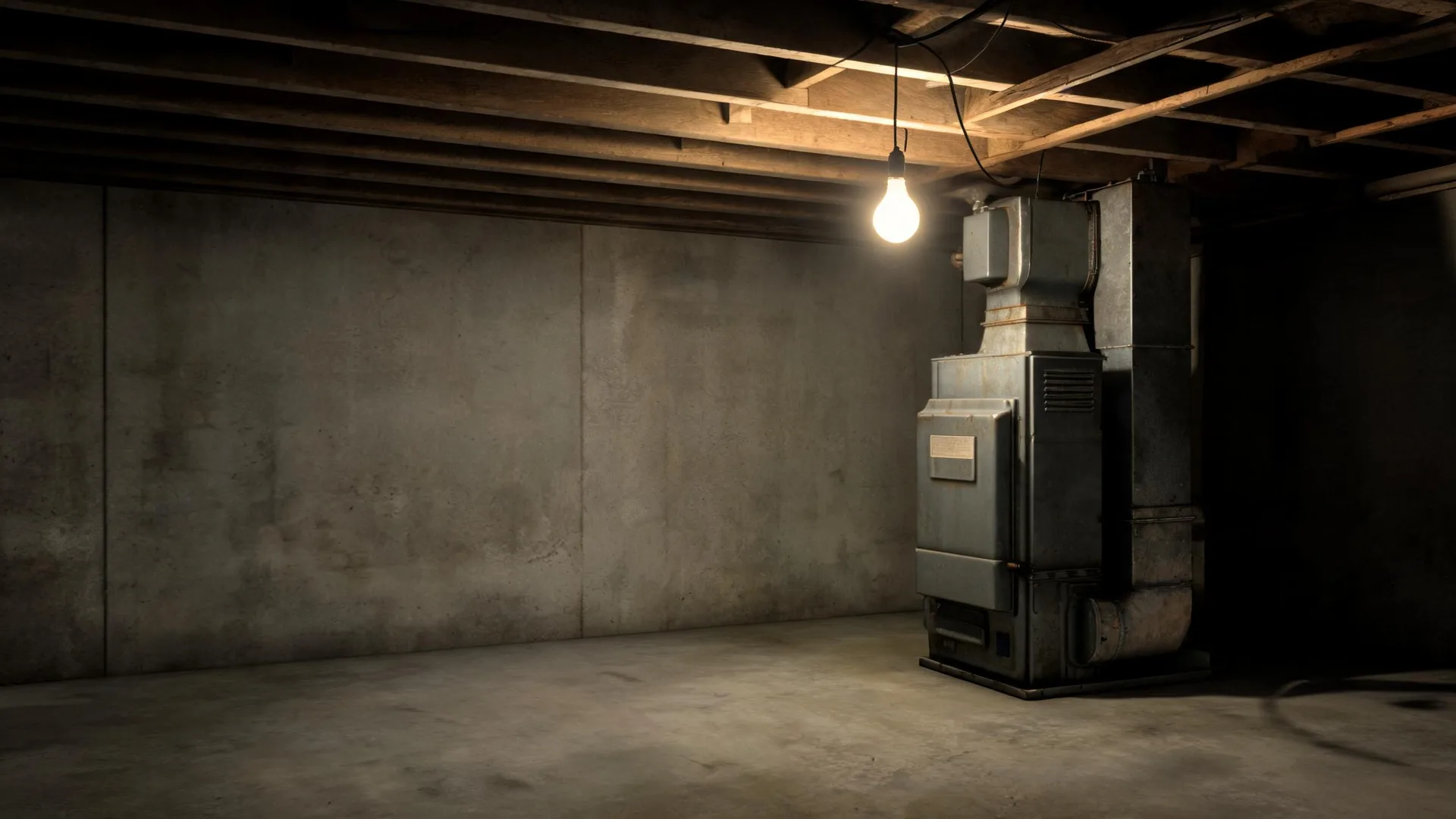
A gas furnace with attached ductwork, gas piping, and condensate lines installed in a concrete-block basement.

Sized right, it runs in long, even cycles for years

A furnace that's too big short cycles. It hits the thermostat setpoint fast, shuts off, then fires again a few minutes later because the air never had time to carry that heat through the house. Each start draws more wear on the igniter and the heat exchanger than a full, steady run would. A furnace that's too small just runs and runs, straining to keep up on the coldest nights and still falling short. The right size comes from a load calculation, a room by room look at the house's square footage, window area, insulation and ceiling height, not a guess based on the old unit or the size of the house next door. Done right, the furnace cycles on, runs long enough to heat the place evenly, and shuts off until it's needed again. That steady pattern is what makes a furnace last out its full years instead of wearing down early.

Ask what the warranty actually covers

A furnace warranty usually splits into parts and labor, and they often run different lengths. Some installers only honor the full warranty if the unit gets registered within a set window after install. Ask whether labor is covered if something fails early on or years down the road, and whether that coverage follows the furnace or the company that put it in.
Ask how they're sizing it, not just what size

Any contractor can hand you a number. What matters is how they got there. A load calculation looks at the house room by room, the square footage, the windows, the insulation, not just the furnace it's replacing. If the answer to how they sized it is the size of your old unit, that's not a sizing method, that's a guess wearing one.

Taking out the old furnace is part of the job, not an extra step tacked on after. A contractor disconnects the gas line or the electrical feed, pulls the old unit free of the ductwork and the vent, and hauls it out. If the new furnace changes how it vents, the old flue or vent pipe comes out too, since leaving a dead vent in place isn't safe and isn't code. The duct connections get refitted to match the new unit's housing, even when the new furnace is the same size as the old one, because cabinets differ between models. None of this adds a separate visit. It happens the same day as the install, before the new furnace ever gets fired up.

The old furnace comes out first, then the new one goes in the same spot, usually in a matter of hours. A contractor sets the cabinet, connects the gas line or wiring, hooks up the ducts, and runs the vent pipe. Once it's in, the work isn't done. Gas pressure gets checked and adjusted at the valve, since factory settings don't always match what your altitude and gas line call for. Airflow across the heat exchanger gets checked too, because too little airflow overheats the furnace and too much keeps the air from feeling warm at the vents. The last step is a full cycle test, running the furnace through a start, a heating run, and a shutdown, to make sure the flame looks right and the furnace shuts off clean. A furnace that's never been test fired is still an unfinished install, whatever the paperwork says.