A nighttime street scene featuring a row of lit white colonial-style houses with wrap-around porches, flanked by oak trees draped in Spanish moss.

Furnace Installation in Clarksville, AR

Tell us about the job

Takes about a minute. No obligation.

New system or replacementFurnace or heatingJohnson County, AR
Step 1 of 2

What ZIP code is the job in?

Most homes here run on electric heat

Electricity heats 59.1% of homes in Johnson County. Utility gas accounts for 25.9%, and propane another 6.7%. If your house came with an electric furnace or heat pump, that's the common setup here, not the exception.

Matching what's already there is the easier job

Swapping in the same fuel type means the electrical circuit or gas line is already sized for it. Switching from electric to gas, or the other way around, is a bigger project since it can mean new gas piping or new wiring to the furnace location.

7 months
October through April, your furnace is on duty
30°F
the average winter night it heats against
80% AFUE
the federal minimum any new unit must meet
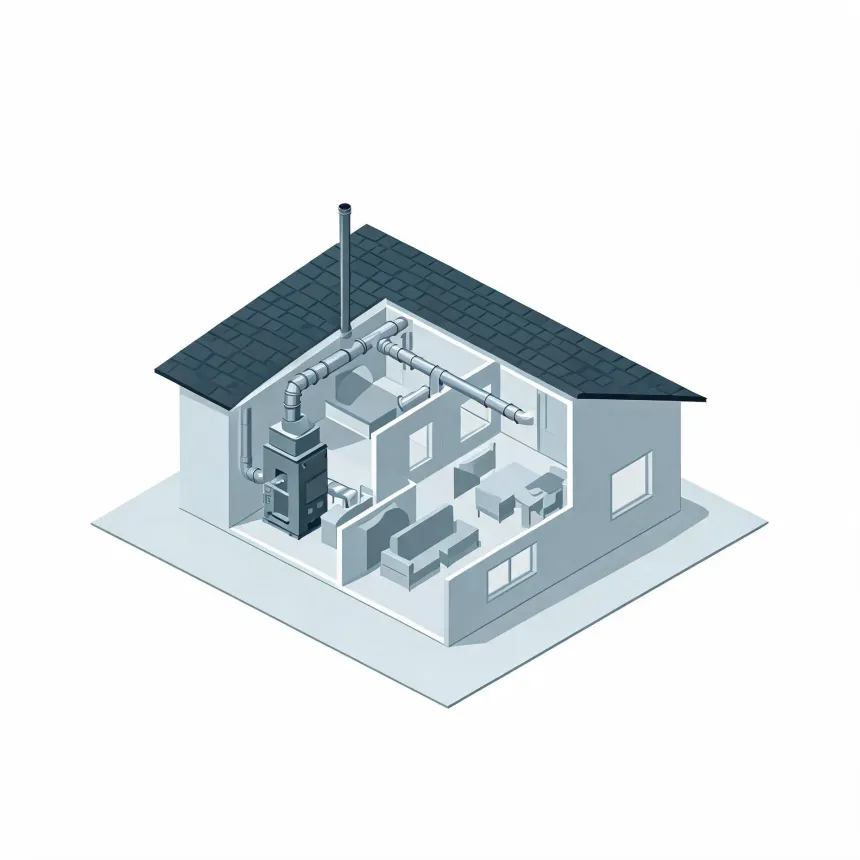
Isometric cutaway illustration of a single-story house with a dark shingled roof, showing a furnace with a flue pipe and branching ductwork running through interior rooms furnished with a sofa, table and chairs.
Your furnace works hardest from November through March.

NOAA nClimDiv, 1991–2020 normals

Johnson County saw 63 damaging wind events and 6 tornadoes in the last decade.

None of that changes what furnace size or efficiency rating your house needs.

September is the month to get this done

Heat runs October through April
Winter nights average 30°F
Climate zone 3A

A furnace here doesn't need to be oversized or loaded with extra features to handle anything local. Electricity runs $36.10 per million Btu in Arkansas, and that cost applies the same whether the furnace is rated for this house or sized too big for it. A unit that's too large cycles on and off more than it should, which wears parts faster and doesn't heat any better. The right size comes from a load calculation on your house, not from guessing bigger is safer. Standard efficiency ratings are built for exactly this kind of climate, so there's no case here for paying more to go above what the house actually needs.

A furnace here isn't working hard enough to need the top-end model

Heat only runs here from October through April, and overnight lows average 30°F even in January. That's a moderate load for a furnace to carry. A reliable, correctly sized system will keep up without needing top-tier efficiency to do it.

Find a contractor
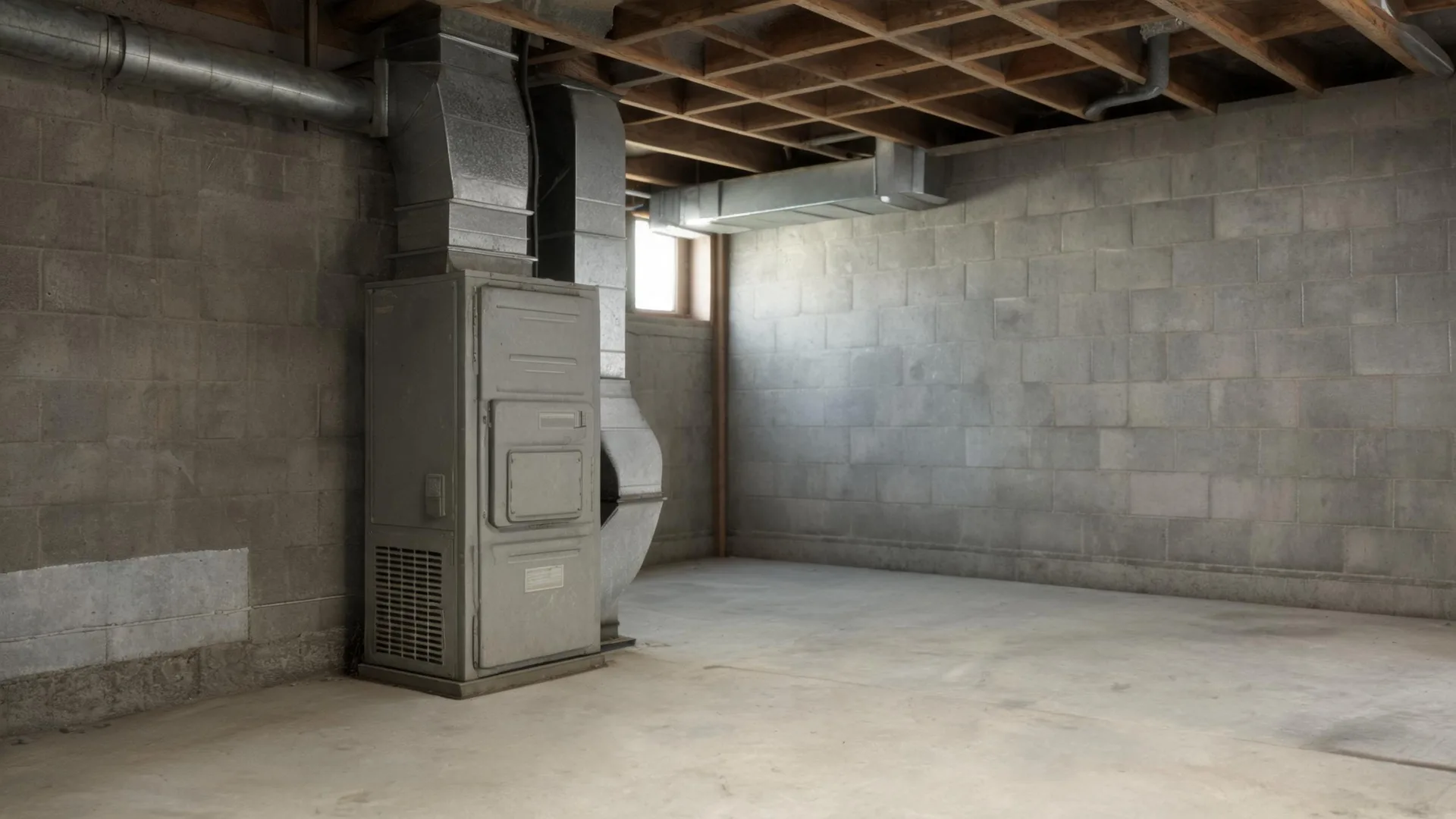
A gray residential gas furnace installed in an unfinished basement, connected to sheet-metal ductwork and PVC pipes.

What happens to the furnace you're replacing

Once the new furnace goes in, the old one comes out, and what happens to it depends on what's wrong with it. A heat exchanger that's cracked or corroded gets scrapped outright, the metal is no good to anyone at that point. If the blower motor, gas valve or control board still work, a tech might pull them for parts, but most installers just haul the whole unit off for recycling. The steel cabinet and coil are worth something as scrap, which is usually why there's no fee to take it away. A furnace that ran for years on a long duty cycle has motor bearings and a blower wheel that have seen a lot of use, even if nothing's failed yet. There's no reason to keep it around as a backup. Once a new system is set to the house, the old one won't match the ductwork or the thermostat wiring the same way, and a furnace sitting unused for a season tends to have problems when someone finally tries to start it again.

The load calculation looks at the house, not the old furnace

A contractor works out furnace size from the walls, windows, ceiling height and layout, room by room. The furnace coming out isn't the starting point, even if it kept the house warm for years. It might have been sized wrong from the start, or the house may have gotten new windows or insulation since then. Matching the replacement to the old unit's output just carries the same mistake forward.

Oversizing shows up as short cycling, not better heat

A furnace too big for the house heats the space fast, shuts off, then starts again a short while later. Each start puts wear on the igniter and the blower motor, and the short run doesn't give the ductwork time to spread heat evenly through the house. A correctly sized furnace runs longer, steadier cycles and holds the temperature without the constant on and off.

The efficiency rating on a furnace tells you how much of the fuel burned turns into heat in the house versus what goes out the flue. A higher rating means less waste up the vent, that's the whole idea. It doesn't change how warm the house gets or how fast, and it doesn't factor into what size furnace the house needs. Furnaces at different ratings can heat the same room to the same temperature, one just uses less fuel doing it. The rating also has nothing to do with durability or build quality. A furnace with a lower rating isn't cheaper made, it just burns fuel less efficiently, and that's what the number on the label is telling you.

Installation day starts with the old furnace coming out, so the ductwork and gas or electrical connections are sitting open while that happens. The new furnace gets set in place, leveled, and connected to the supply and return plenum. A tech runs the gas line or electrical circuit to the unit, and on a gas furnace, the flue gets connected and checked for a proper draft before anything is fired up. Once it's hooked up, the furnace gets fired and run through a full cycle, checking the temperature rise across the heat exchanger against what the manufacturer specifies. The thermostat gets wired in and tested last, since that's what proves the whole system is talking to itself correctly. Before anyone leaves, the gas connections get checked for leaks and the system runs long enough to confirm it holds steady, not just that it starts.