Single-story houses with a covered porch and a brick building behind a trimmed hedge and lawn, under large oak trees draped with Spanish moss.

Furnace Installation in Cabot, AR

Tell us about the job

Takes about a minute. No obligation.

New system or replacementFurnace or heatingLonoke County, AR
Step 1 of 2

What ZIP code is the job in?

Storms are routine here, not rare

Lonoke County logged 159 severe weather events between 2015 and 2024, with damaging wind the most common by far. Hail and tornadoes show up most years too. A new furnace sits through all of it, so where the outdoor equipment goes and what shields it matters.

The power doesn't always hold

Close to a quarter of Arkansas households were without power for a day or more in 2024. A furnace's blower runs on electricity no matter how the heat itself is made, so a storm that knocks out power knocks out heat too. Worth asking what backup options exist before the install, not after the lines go down.

5 months
November through March, your furnace is on duty
34°F
the average winter night it heats against
80% AFUE
the federal minimum any new unit must meet
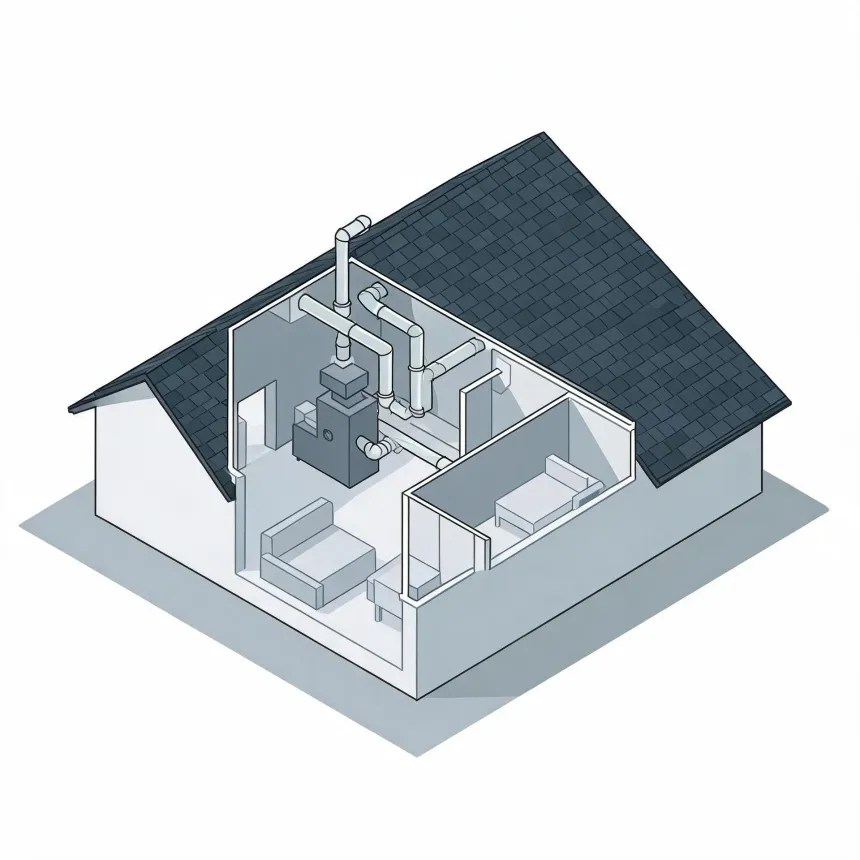
Isometric cutaway illustration of a single-story house with a dark shingled roof, showing interior rooms with furniture and a furnace connected to ductwork.
Your furnace works hardest from November through March.

NOAA nClimDiv, 1991–2020 normals

Furnaces in Cabot run five months a year, November through March.

A system that sits idle most of the year doesn't need to be the top of the line, just one that starts reliably when the cold hits.

Most homes here heat with electricity

66.5% of homes heat with electricity
Heat runs November through March
Winter nights average 34°F
Get it done before NovemberFurnace season runs five months here, November through March. October is the last month before it starts.

Electricity here runs $36.10 per million Btu, cheaper than in most states. That changes the math on a furnace upgrade. A high-efficiency model costs more up front, and the extra you pay back through lower bills comes slower when power is already cheap. That doesn't make efficiency a bad idea, it just means it shouldn't be the only thing driving the choice. What matters more here is a furnace that starts every time, holds up through the outdoor conditions, and keeps running when the grid doesn't.

Pick reliable, not top of the line

It won't be worked hard here, so pick a reliable system that fits. You don't need the top efficiency model.

Find a contractor
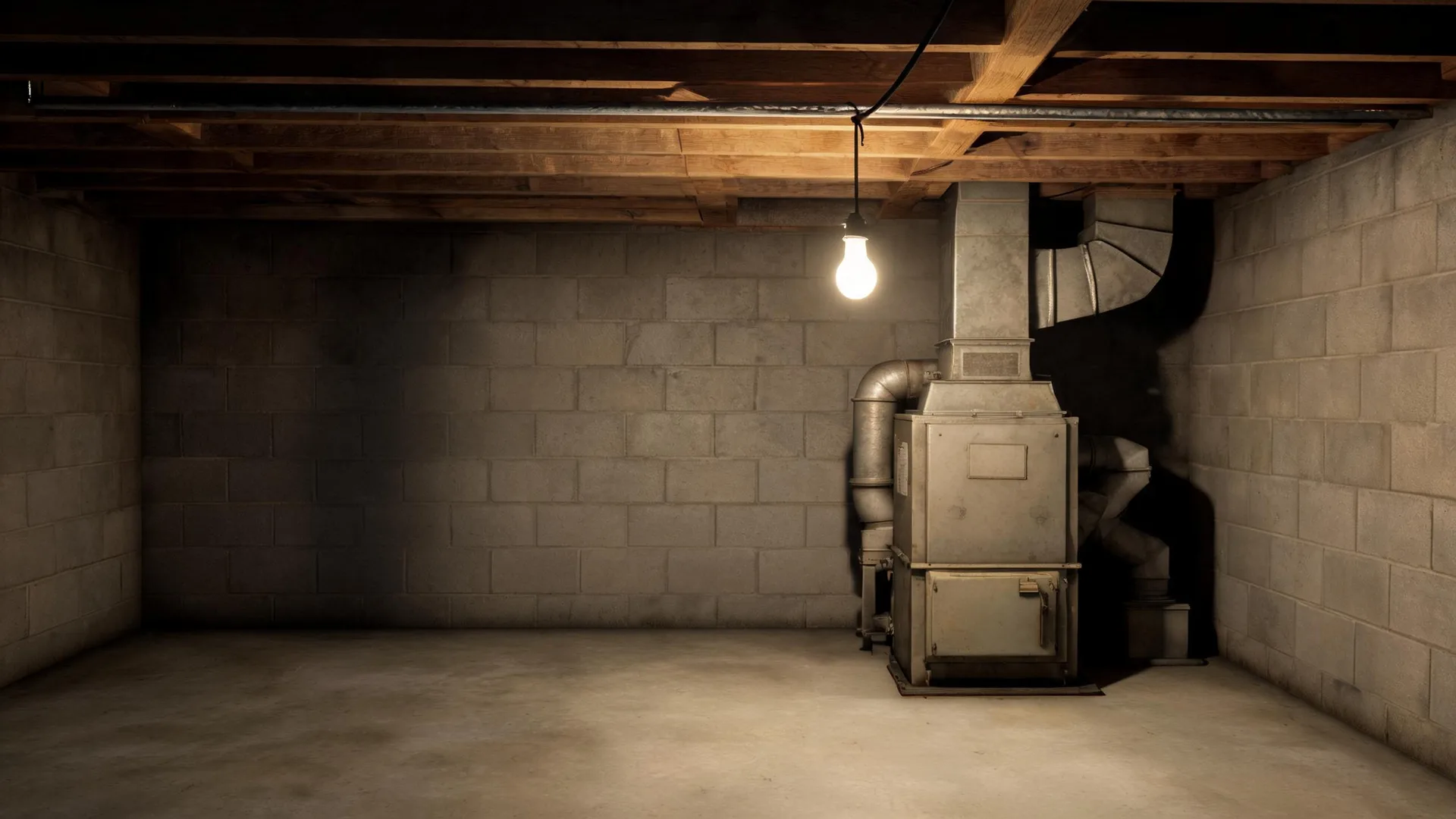
A gas furnace with attached ductwork, gas piping, and condensate lines installed in a concrete-block basement.

What drives the cost isn't the furnace

Installation price moves with what the job uncovers, not just the furnace on the pallet. A straight swap, same cabinet size, same vent location, same ductwork, goes fast. The price climbs when the new unit needs a bigger return to breathe right, when the flue has to be rerouted because the new furnace vents differently than the old one, or when the gas line needs upsizing to feed it. A high-efficiency model adds a condensate line and sometimes a drain pump, parts a standard furnace never needed. None of that shows up until someone's actually in the mechanical closet looking at what's there.

The rating measures the gas, not the electric load

The percentage on a furnace label is how much of the gas burned turns into heat in the house instead of going out the flue. It says nothing about the blower motor or how much power the furnace draws moving air. A furnace with a high rating on the gas side can still run a blower that pulls a lot of electricity.

A higher number means less wasted fuel, not a warmer furnace

A furnace rated higher loses less heat up the vent and burns less gas to hit the same temperature. It won't heat a house any faster or blow warmer air than one rated lower. The difference shows up in gas use over the season, not in how the house feels on a cold morning.

Ask what size the contractor calculated, not just what size is already installed. A furnace that's too big cycles on and off fast, which wears out parts sooner and leaves rooms uneven anyway. Ask about the venting too, where the flue runs and what it takes to get there, since that can matter as much as the unit itself. Ask what happens to airflow if the ductwork stays the same. A new furnace pushed through old ducts that are too small will never perform like the spec sheet says. And ask what's actually covered under warranty, the parts, the labor to install those parts, or both, because those are often sold as one thing and they aren't.

The old furnace comes out first. If the venting or ductwork around it has to come apart to get it loose, that alone can take a while. Setting the new unit in place is the fast part of the day. Most of the time goes to connecting it correctly. The gas line gets hooked up. The venting gets run. The ductwork gets fitted to the new cabinet, which is rarely the exact same shape as the old one. A high-efficiency model also needs a condensate line, since it produces water that a standard furnace doesn't. Once everything is connected, a tech runs the furnace through a full cycle and checks the gas pressure, the airflow, and the temperature rise against what the manufacturer specs for that model. That check matters as much as the install itself. A furnace that's never been tested under load can hide a loose connection or a bad setting until the first real cold morning finds it.