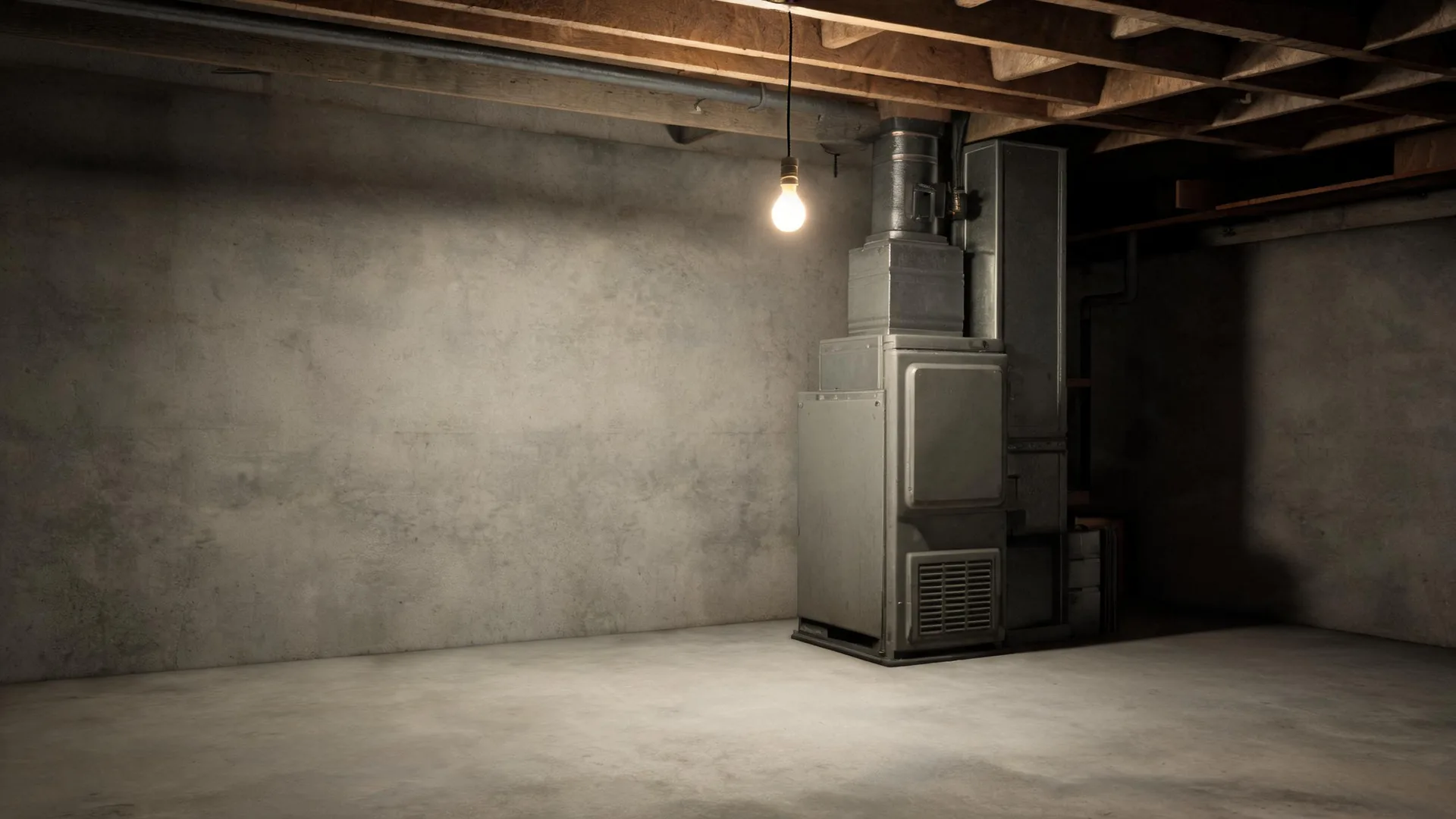
Most homes here run on electric heat
Electricity heats 58.2% of homes in Hot Spring County. Gas is second at 30.8%, with propane making up most of the rest. An electric furnace or heat pump matches what's already set up in most houses here.
Takes about a minute. No obligation.
Electricity heats 58.2% of homes in Hot Spring County. Gas is second at 30.8%, with propane making up most of the rest. An electric furnace or heat pump matches what's already set up in most houses here.
If your old furnace was electric, a straight swap is usually the simplest job, since the wiring and ductwork are already sized for it. If you're switching fuel types, that changes what the contractor needs to check before quoting the work.
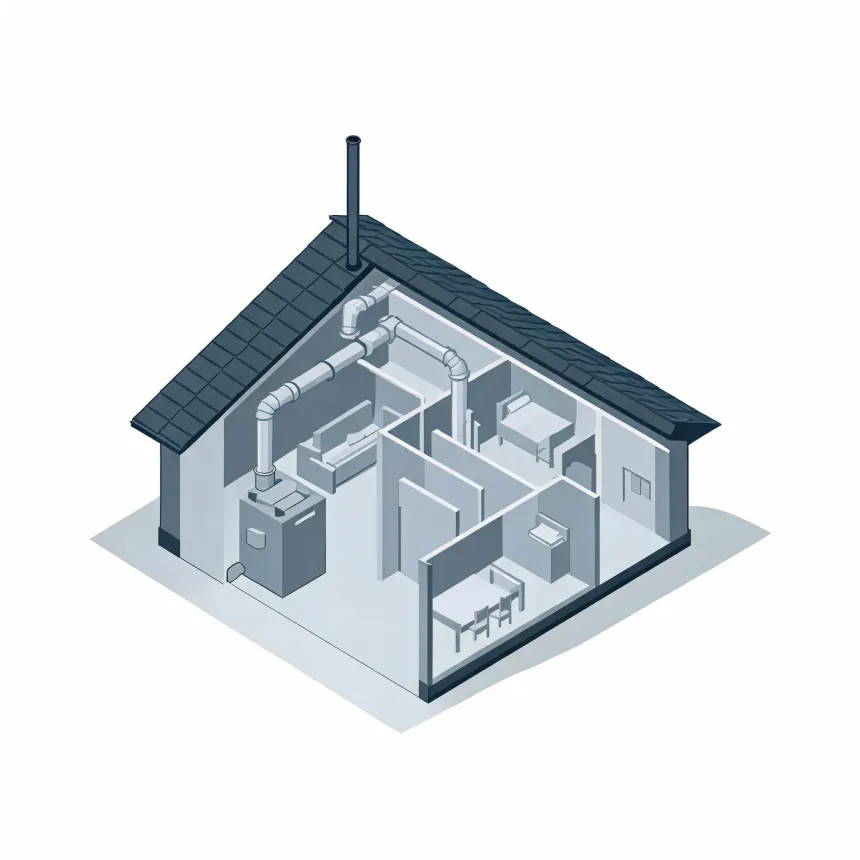
NOAA nClimDiv, 1991–2020 normals
Half the homes in Hot Spring County were built in 1979 or earlier.
A furnace sized for a standard house works for most jobs here, old or new.



Furnace here only has to work about five months a year, November through March. Overnight lows average 33°F through the coldest stretch of winter, which is cold enough to run the system steady but not the kind of extreme that pushes a furnace to its limit night after night. That's a moderate load. You don't need a high-end unit to handle it well, and a mid-range furnace sized correctly for the house will do the job for years. Ice storms show up most winters in this county, so the thing worth checking is that the system starts reliably and the install itself is solid, not that it's built for weather it will never see.
Hot Spring County sees its share of wind, hail and ice storms most winters, and close to a quarter of Arkansas households lost power for a day or more last year. That's a reason to get the install done right and make sure the system starts back up on its own when the power does. It's not a reason to pay more for a bigger or fancier furnace than this house needs.
Find a contractorFurnace here runs about five months a year, November through March. October is the last quiet month before that starts. A new install goes in faster when nothing has to be forced, and a contractor working in October isn't trying to get heat back on the same day for a family that's already cold. Wait until the first cold snap and you're choosing from whoever's free that week, not whoever's the best fit for the job.
A contractor works out heat loss room by room, looking at square footage, window area, insulation and ceiling height, then adds it up for the whole house. That number says how much heat the furnace needs to replace on the coldest night. Going off the nameplate on the unit being replaced just copies whatever size was guessed last time.
An oversized furnace heats the house fast, shuts off, then starts again soon after. That short cycling keeps the heat exchanger from ever reaching a steady temperature and wears the ignition system down faster than steady runtime would. It also leaves the air feeling uneven, warm near the vents and cool everywhere else, because the blower never runs long enough to even things out.
When you're comparing quotes, ask what each contractor's load calculation came out to, not just what size furnace they're proposing. Contractors who walk the same house can land on different numbers depending on how carefully they checked windows, insulation and ductwork, and that number is what the rest of the quote should be built on. Ask what efficiency rating the furnace carries and what venting it needs, since a higher-efficiency furnace vents differently and that changes what the install involves. Ask whether the quote includes a new thermostat or reuses the old one, and whether the ductwork gets inspected or just reconnected. Ask what happens if the load calculation turns up a duct problem once the work starts. A contractor who walks you through these answers before you ask is usually the one who did the calculation instead of guessing.
Installation day starts with the old furnace coming out, along with its venting. The contractor shuts off gas and power first, then disconnects the unit from the ducts and the flue before pulling it. Setting the new furnace means leveling it, hooking up the gas line or electrical circuit, and tying it into the existing ductwork. Venting usually gets replaced too, since a higher-efficiency furnace vents through different material than an older one did and the old pipe often isn't rated for it. Wiring and the thermostat get connected last. Once the furnace is buttoned up, the contractor fires it, checks for gas leaks or electrical faults, and watches the flame or the heating cycle to confirm it runs steady. Airflow gets checked room by room after that, and dampers get adjusted if one room is running hot while another isn't getting enough.