White two-story houses with wraparound porches and Spanish moss-draped oak trees photographed along a residential street at night.

Furnace Installation in Jonesboro, AR

Tell us about the job

Takes about a minute. No obligation.

New system or replacementFurnace or heatingCraighead County, AR
Step 1 of 2

What ZIP code is the job in?

The old furnace gets disconnected and hauled off

The gas line gets capped, the flue gets disconnected, and the cabinet gets cut down or carried out whole. A contractor handles the removal as part of the install, so the furnace does not sit in the garage waiting on a second trip.

The new furnace may not vent or connect the same way

A newer furnace can run more efficient than the one it replaces, and that can change what kind of venting it needs or how it ties into the gas line. Part of the install is making sure those connections match the new unit, not just reusing what was already there.

7 months
October through April, your furnace is on duty
32°F
the average winter night it heats against
80% AFUE
the federal minimum any new unit must meet
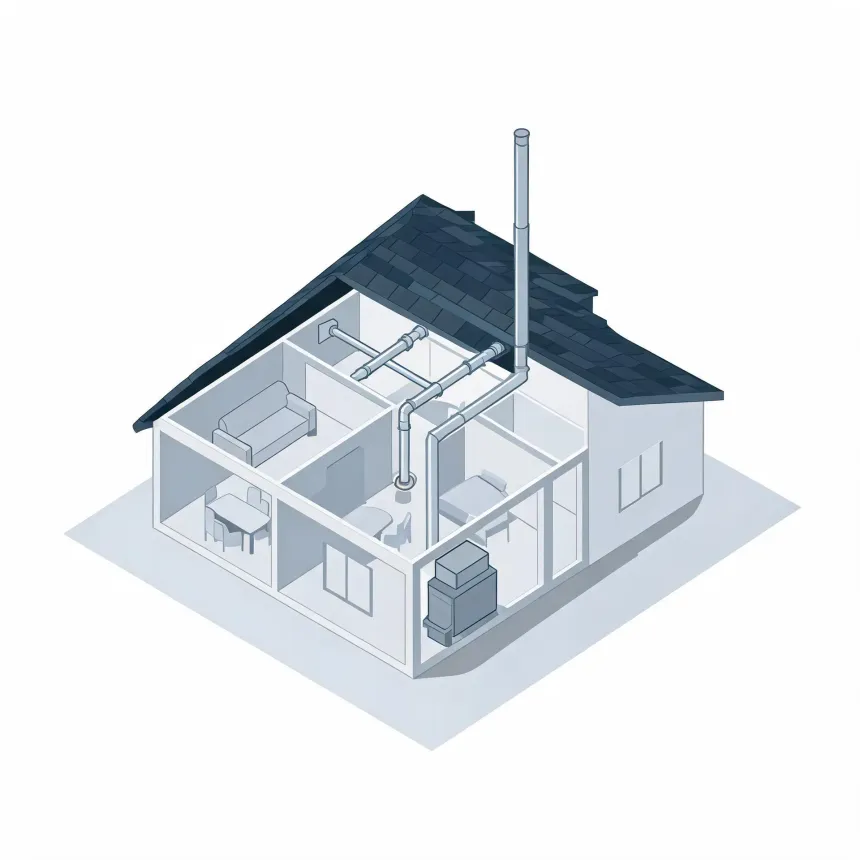
Isometric cutaway illustration of a single-story house showing interior rooms with furniture, ductwork and piping running to a tall vertical flue through the dark shingled roof, and a furnace-like appliance unit on the floor.
Your furnace works hardest from November through March.

NOAA nClimDiv, 1991–2020 normals

Electricity in Arkansas cost $36.10 per million Btu in 2024, cheaper than most of the country.

A high-efficiency furnace still costs more up front, and here it takes longer to earn that back.

Most of Jonesboro heats with electricity, and a new furnace should too

57.9% of homes heat with electricity
Heat runs October through April
Winter nights average 32°F
Get it in before OctoberHeat runs October through April here. September is the month to get this done.

Craighead County has logged 177 severe weather events between 2015 and 2024, the kind that bring down trees and knock out power. Any furnace built today needs electricity to run, even a gas one, since the igniter and blower both depend on it. Statewide, almost a quarter of households went at least a day without power in 2024. Installation is the time to think about where the outdoor venting sits and whether a generator interlock makes sense for this house. Once the furnace is in and the wall's closed up, those choices are harder to change.

A furnace here works seven months a year, not year-round

Furnace here runs about seven months a year, and overnight lows average 32°F through December, January and February. That's steady work, not hard work. A furnace built for this doesn't need to be the most efficient model on the lot, just one that starts reliably on a cold morning and keeps running through the winter.

Find a contractor
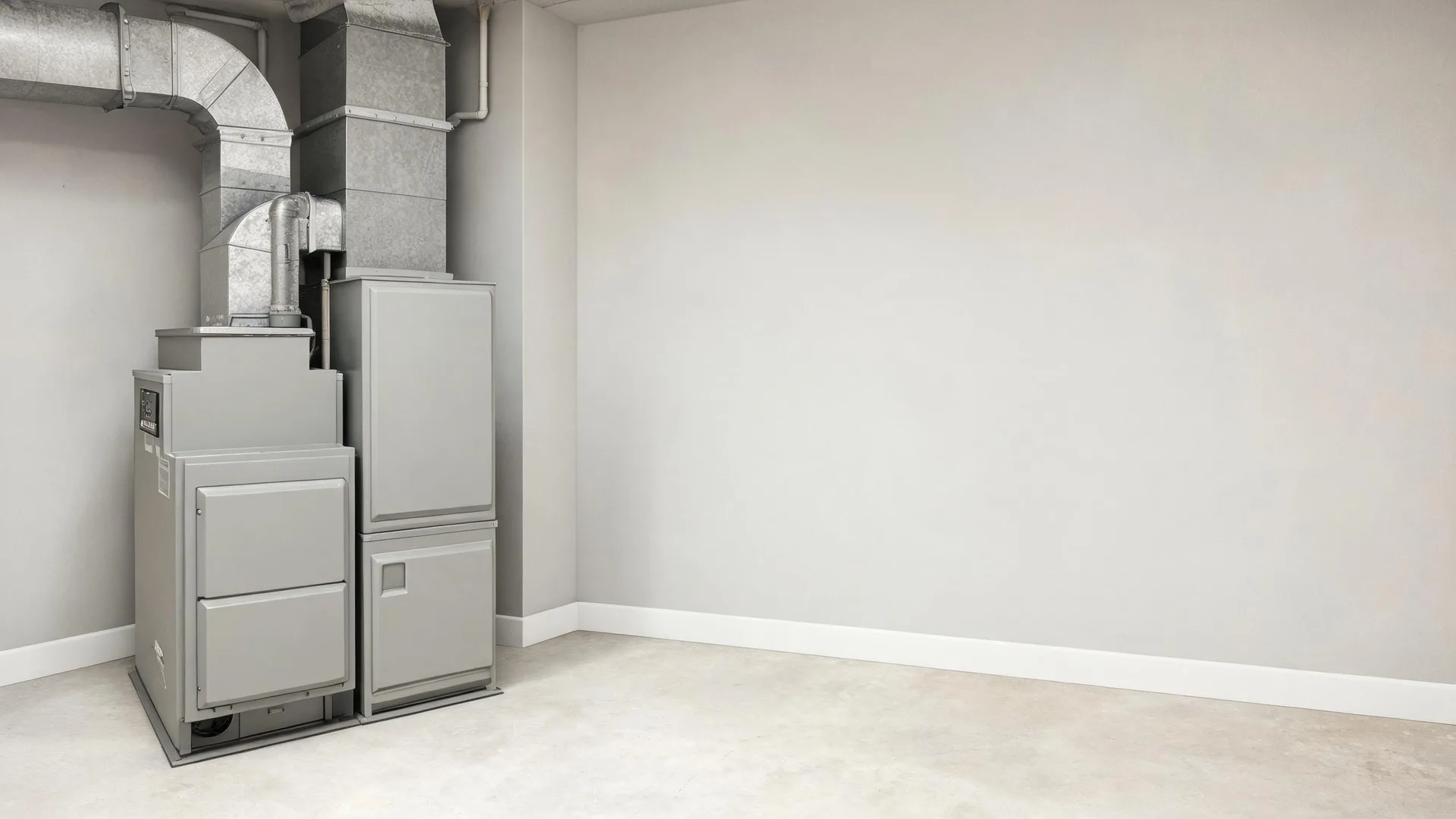
A gray gas furnace with attached ductwork and piping installed in an unfinished concrete basement.

Pick for reliable starts, not the highest efficiency rating

A single-stage or two-stage furnace handles this fine. It doesn't need to modulate through a hard winter because there isn't one here, just a steady seven months with mornings in the low 30s. Put the difference toward a generator interlock or venting that can take a storm, since those matter more in this county than squeezing out another few points of efficiency.

The size comes from a load calculation, not the old furnace's rating

A contractor works out the right size room by room, counting windows, doors, and how the walls and ceiling hold heat. The furnace being replaced is not the starting point. If it was ever sized wrong, or if anything about the house changed since it went in, matching the old number just carries the mistake forward.

Too big is its own problem, not just wasted capacity

An oversized furnace heats the air fast and shuts off before it's pulled warmth out of the floors, walls and furniture, so the room feels cold again sooner and the furnace fires back up. That start-stop cycle wears on the igniter and blower faster than steady running would, and it tends to leave some rooms warm and others cold.

What drives the cost isn't the furnace sitting in the showroom, it's everything around it. Venting is a big piece. A high-efficiency furnace vents through PVC pipe out the side wall, while an older style ties into a metal flue, and switching from one to the other means new venting has to be run, not just reconnected. The ductwork matters too. If the trunk line or returns are undersized for the new unit's blower, they need work, and that's labor the furnace price alone won't tell you. Gas line and electrical hookups can need changes if the new furnace draws differently than the old one. None of this shows up on a sticker, but all of it shows up in the install.

Install day starts with the house getting walked, not the furnace getting carried in. A contractor confirms the size and venting plan already worked out, checks the spot where the new unit will sit, and shuts off gas and power before anything gets disconnected. The old furnace comes out, and depending on what the venting change calls for, there may be some cutting and patching where a flue pipe used to run. Setting the new cabinet, running gas and electrical, connecting ductwork and venting, then testing ignition and airflow, takes most of the day. Before anyone leaves, the furnace gets fired and run through a full cycle, checked for the right gas pressure and steady ignition, so problems show up on install day instead of the first cold morning.