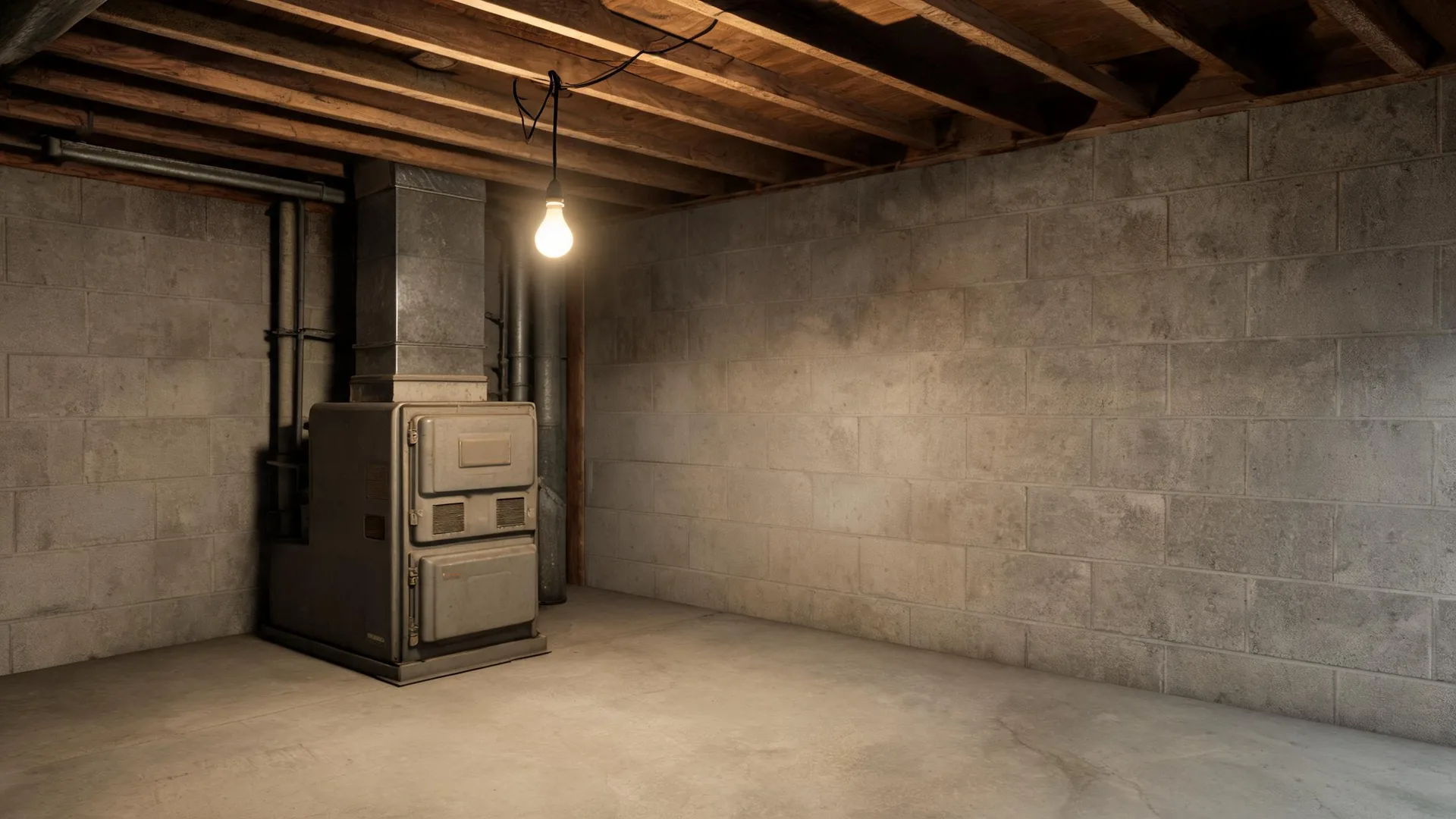
Most homes here run on electric heat
Electricity heats 55.8% of occupied homes in Independence County, more than gas and propane combined. A heat pump or electric furnace is the familiar setup for most houses here.
Takes about a minute. No obligation.
Electricity heats 55.8% of occupied homes in Independence County, more than gas and propane combined. A heat pump or electric furnace is the familiar setup for most houses here.
If your home already heats with electricity, replacing it with the same kind of system is usually the straightforward path. Utility gas reaches 26.2% of homes in the county and propane another 13.1%, so if you're weighing a switch to gas, check first whether a gas line even reaches your house.
NOAA nClimDiv, 1991–2020 normals
Furnaces in Independence County run about seven months a year, October through April.
A furnace sitting idle most of the year doesn't need to be the top efficiency model to hold up here.



A standard efficiency furnace is the right call here. Electricity in Arkansas runs $36.10 per million Btu, and that cost doesn't change based on the equipment's rating, only on how many Btu it uses. A furnace that sits idle most of the year takes a long time to earn back a higher price tag through savings you'd barely see on the bill. Most contractors sizing a furnace for this area will land on a standard model built for the load of an average house here. There's no local condition pushing homes in Independence County toward something bigger or pricier than that.
Independence County has seen 66 severe weather events between 2015 and 2024, including winter storms that bring ice and snow. A standard furnace handles that fine. The thing that matters is having a working one in before the weather turns.
Find a contractorSeven months of work, then it sits idle the rest of the year. Overnight lows average 31°F in December, January and February, so most of that runtime is the furnace holding a house against real cold, not just cycling on a mild evening. That's steady work, but it's not constant. A standard furnace built for an average load here can do this for years without strain.
A furnace has to match the heat loss of the house it's going into. A contractor should walk the house, or at least ask about insulation, windows and square footage, before naming a size. If someone quotes a furnace size without asking anything about the house, they're guessing. Oversized units cycle on and off too fast and never run long enough to heat evenly. Undersized ones run constantly and still can't keep up on the coldest days.
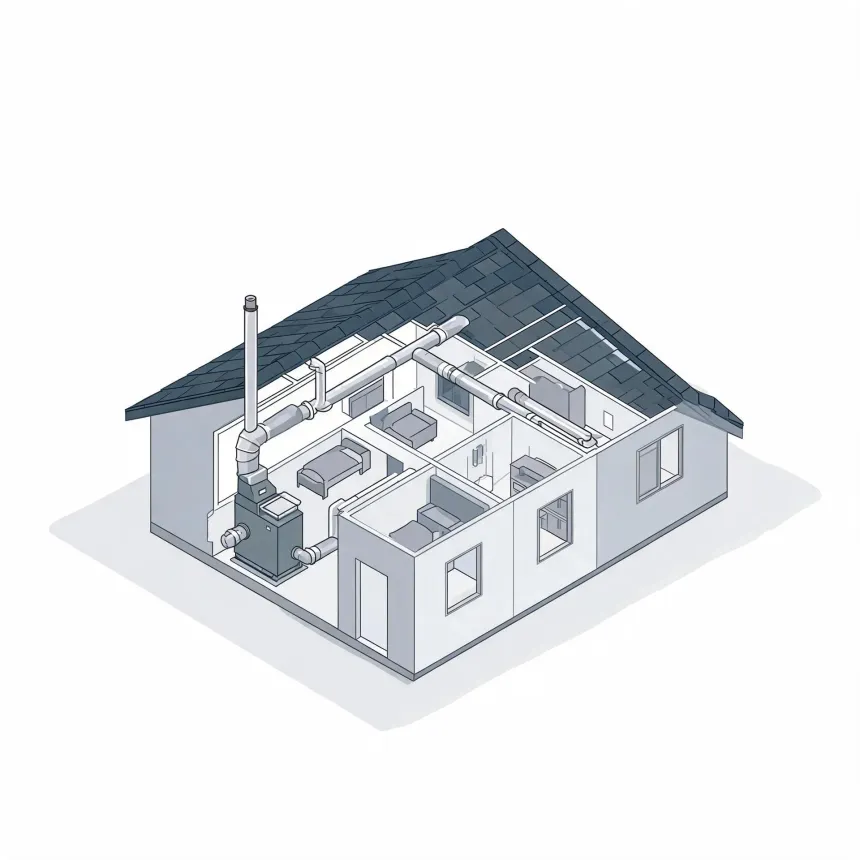
A furnace pushes air through whatever ductwork is already in the house. Ducts sized for an older furnace, or ones with leaks or crushed runs, can hold back a new unit no matter how well it's sized. Ask whether the ducts get checked as part of the job, and whether the new furnace's airflow matches what those ducts can carry. A right-sized furnace can still underperform if the air can't get where it needs to go.
The old furnace doesn't need to come out before the new one goes in. Most installs set the replacement in place, swap over the gas line, flue and ductwork connections, then pull the old unit out once the new one is hooked up. If the furnace sits in a closet or attic where there's only room for one at a time, the contractor removes it first and the house goes without heat for a few hours during the swap. Either way, the old furnace doesn't get reused or resold. It gets broken down for scrap, and the metal cabinet and components get recycled rather than landfilled. Ask what happens to the old unit before the work starts, so you're not left to deal with it sitting in the yard afterward.
Install day starts with the new furnace already matched to the house, so most of the work is connections, not guesswork. The gas line, flue, ductwork and electrical all get disconnected from the old unit and reconnected to the new one. Once it's in place, a tech fires it up and checks the flame, the temperature rise across the heat exchanger and the airflow at the registers. That airflow check matters. A furnace can be wired and piped correctly and still heat the house unevenly if the airflow is off. Expect time spent on startup and testing even after the physical swap looks finished. A furnace that gets turned on and walked away from hasn't really been installed yet, it's just been set in place.