



Your winters don't get that cold
Heat runs seven months a year here, October through April, so whatever you install is going to work for its living. The overnight low averages 31°F across December, January and February. That's cold, but it's not the kind of cold that breaks a heat pump. About 80 nights a year dip to freezing or below, and of those, only about 0.1 a year reach 0°F. Nearly all your cold nights sit right around freezing, not below it by much.
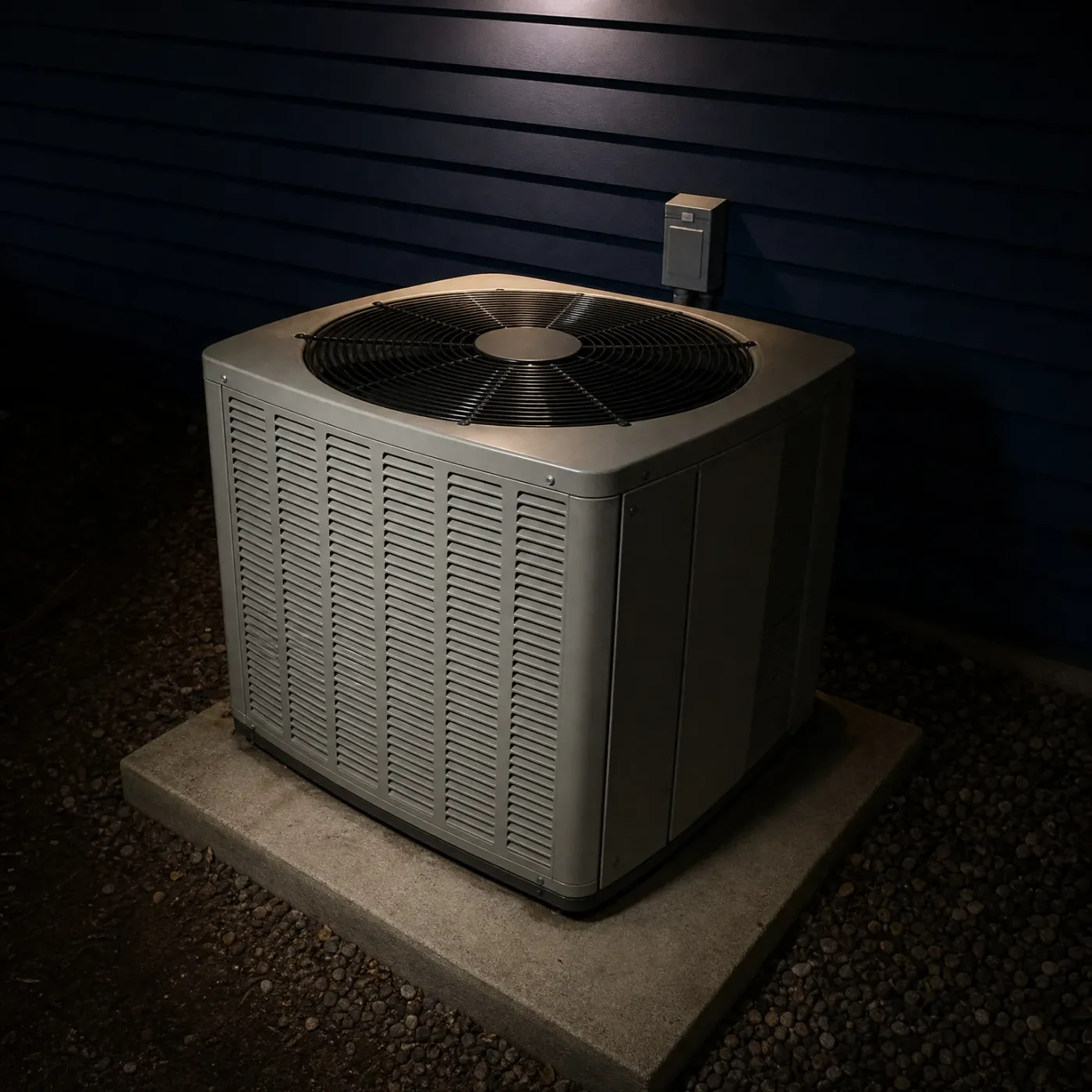
A standard heat pump's output drops once it's below 40°F outside, and below about 35°F it often leans on backup heat to make up the difference. Both marks sit above your winter average, and every one of those 80 cold nights falls under them too. That sounds like a problem for a heat pump here. What it actually means is the heat pump works harder and calls on backup heat on those nights, not that it stops working. A cold climate model has to prove, under third-party testing, that it still makes 1.75 units of heat for every unit of electricity at 5°F and holds onto 70 percent of its warm-weather capacity at that temperature. Field testing on prototype cold-climate units found backup heat covered only a small share of the load between 0°F and 35°F, and running on backup alone was rare even at 0°F. Your coldest nights almost never get near 0°F. They sit at or just below freezing, which is the range these units are built to handle.