




An outdoor heat pump unit mounted on a concrete pad in front of a single-story suburban house with beige siding.

Heat Pump Repair in Batesville, AR

Tell us about the job

Takes about a minute. No obligation.

RepairHeat PumpIndependence County, AR
Step 1 of 2

What ZIP code is the job in?

September is the last mild month before heat here switches over in October, and that switchover is when a weak part tends to quit. A contactor or capacitor that was already struggling to keep up can fail outright once the system has to reverse and run heat for hours at a stretch instead of minutes. Short cycling, a unit that runs but blows cool air, or ice on the outdoor coil are all signs something was already wearing thin before the season started. Getting it looked at in the first cold week is easier than waiting until the system is running every day from October through April.

7 months
October through April, your system heats
5 months
May through September, it cools
31°F
the average winter night it heats against
89°F
the average summer afternoon it cools against
Isometric grayscale illustration of a cutaway house showing interior rooms, ductwork and an indoor air handler connected by lines to an outdoor condenser unit on the ground outside.
Your system heats October through April and cools May through September.

NOAA nClimDiv, 1991–2020 normals

The reversing valve is what lets a heat pump switch between cooling and heating, and it's one of the first parts to stick as it ages.

A heat pump stuck in one mode isn't a minor glitch, it means that valve likely needs a tech's attention before it fails completely.

Nothing unusual in the weather hereIndependence County saw 66 severe weather events between 2015 and 2024, about average for this part of Arkansas.

Half the homes in Independence County were built in 1988 or later, so there's a fair chance the heat pump in question is well within its working life. A reversing valve or capacitor problem on a newer system is usually a repair, not a sign the unit is done. Age is worth checking either way. If the system came with the house, find out when that was and keep the number in mind when a tech gives you a diagnosis. Mobile homes make up about a fifth of the housing stock here, and heat pumps in those often sit outside on a small pad or mounted near the unit, which is worth mentioning to whoever comes out to look at it.

Get it looked at early

Problems tend to show up in the first weeks of the season, when the load hits a part that was already weak.

Find a contractor
A man in a dark shirt and work boots carries a canvas tool bag filled with tools up wooden porch steps toward a navy blue front door of a shingled house, with a potted shrub to the right.
A gray heat pump outdoor unit mounted on a concrete pad next to a residential house with lap siding and stone accents.

What you can check first

Before anyone comes out, there are a few things worth checking. Go to the thermostat and switch it between heat and cool. If the system hums but air doesn't change temperature, that tells a tech something specific. Next, look at the outdoor unit. If the coil is caked in ice or snow, that's worth a photo and a mention, even if it melts before anyone arrives. Check the air filter. A filter clogged with dust chokes airflow, and the system reacts to that in ways that look like bigger problems, like weak heat or a unit that runs constantly. Walk around the house and check that every vent is open and nothing is stacked in front of a return. Last, check the breaker. Heat pumps trip breakers when a part inside is drawing too much power, and if it's tripped more than once, leave it off and let a tech find out why rather than resetting it again.

What age actually tells you

A heat pump's compressor is built to last the life of the system. Most other failures, a contactor, a capacitor, a blower motor, a reversing valve, are single parts that get swapped without touching the compressor at all. A system that's older but has been serviced right can still be worth repairing. The real question isn't how old the unit is, it's which part failed and whether the compressor itself is still sound.
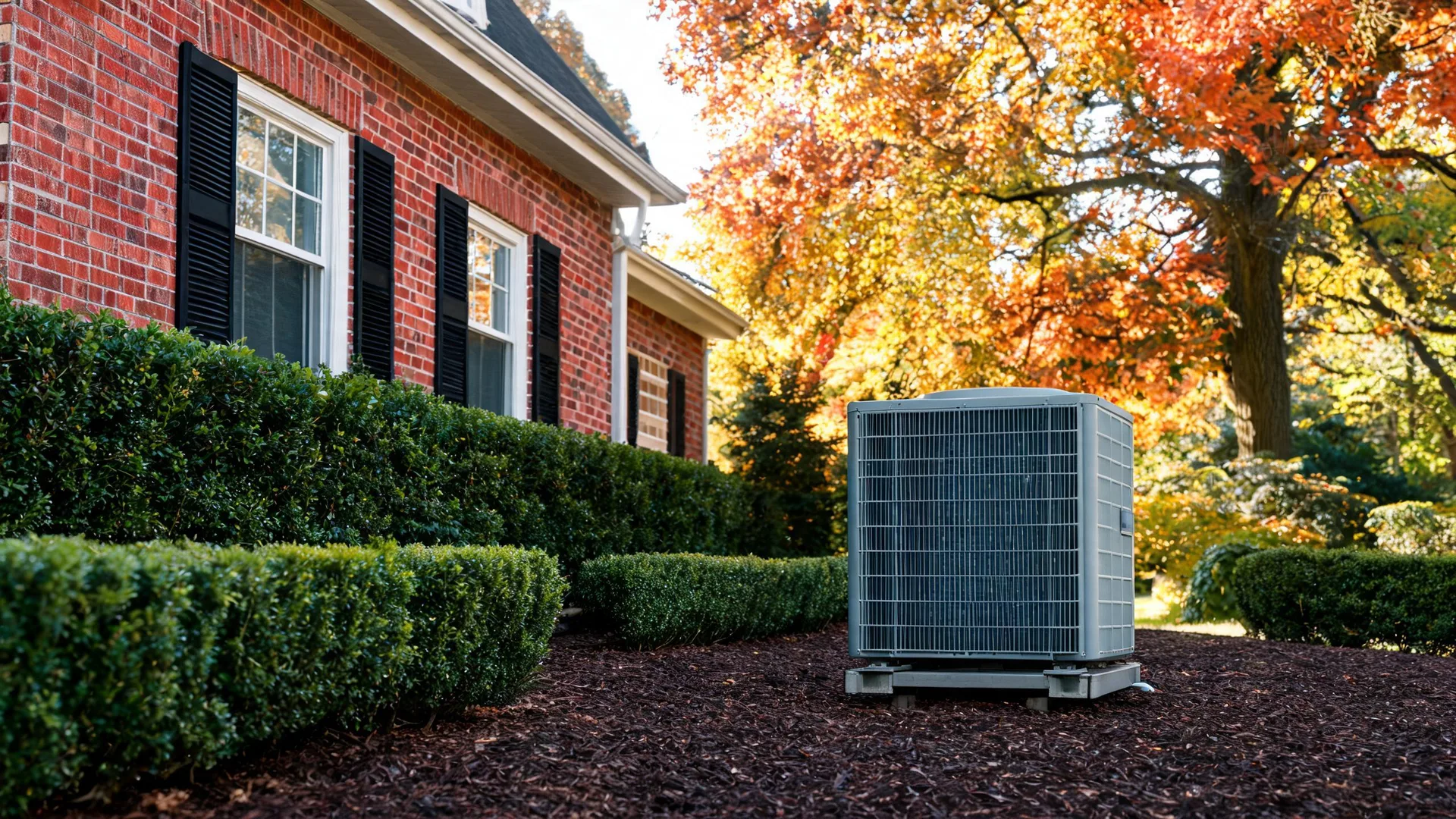
When replacement is the honest answer

A refrigerant leak inside the coil itself is different from a failed capacitor. The coil is not something a tech patches and moves on from, and a system that's low on charge from a slow leak will keep losing it no matter how many times it's topped off. If the compressor is the part that failed, that's usually the point where repair stops making sense, since it's the most expensive part in the system and replacing it alone often costs close to replacing the unit.

Most heat pump problems announce themselves before the system quits outright. A unit that runs constantly but never quite reaches the set temperature is losing the fight somewhere, often a refrigerant charge that's dropped or a coil that's caked in dirt. Warm air coming out when it should be hot, or cool air when it should be cold, points at the reversing valve or a failing component in the outdoor unit. Listen for it too. A new rattle, a hum without the fan kicking on, or a clicking that repeats without the system starting are all a part trying and failing to do its job. Any of these is worth a call before the system stops responding altogether.

A diagnostic visit starts outside, at the unit itself. A tech will check refrigerant pressure, pull the panel and look at the contactor and capacitor, and watch how the system behaves switching between heat and cool. Inside, they'll check the air handler, the filter, and airflow at the vents, since weak airflow can mimic a refrigerant problem and send someone chasing the wrong part. A lot of this is process of elimination. Electrical readings rule parts in or out before anything gets replaced, because swapping a capacitor on a guess doesn't help if the real issue is a stuck reversing valve. Expect the tech to ask when the trouble started and what it looked like, since a system that hums without starting points somewhere different than one that runs constantly without heating.