Most homes here run on electricity
Electricity heats 63.8% of homes in Conway County. Utility gas reaches 21.7%, and propane heats 6.4%.
Takes about a minute. No obligation.
Electricity heats 63.8% of homes in Conway County. Utility gas reaches 21.7%, and propane heats 6.4%.
If your home already heats with electricity, an electric furnace means no new gas line or propane tank to plan around. The install works with wiring already in place for that kind of system.
NOAA nClimDiv, 1991–2020 normals
Electricity in Arkansas runs $36.10 per million Btu, cheap compared to most states.
A high-efficiency furnace costs more up front and takes longer to pay back here, so fit matters more than the rating on the sticker.



September is the month to get this done. Heat goes on in October and runs through April, so a furnace put in during September is tested before it has to work. A new install needs the ductwork checked, the sizing confirmed, and the thermostat wired in, and that goes faster without snow on the ground or a cold snap pushing the schedule. Wait until October and you're choosing a furnace while the house is already cold, which is a worse way to decide on a big purchase.
Any furnace installed here now has to hit 80 percent AFUE, the federal minimum for this type. That floor rises to 95 percent in a few years, so a furnace built today is a different machine from one built after the change. Installing now gets you a system sized for this zone's short, mild winter instead of built for a harder one. A federal tax credit is available on qualifying high-efficiency equipment, worth checking against whatever gets installed.
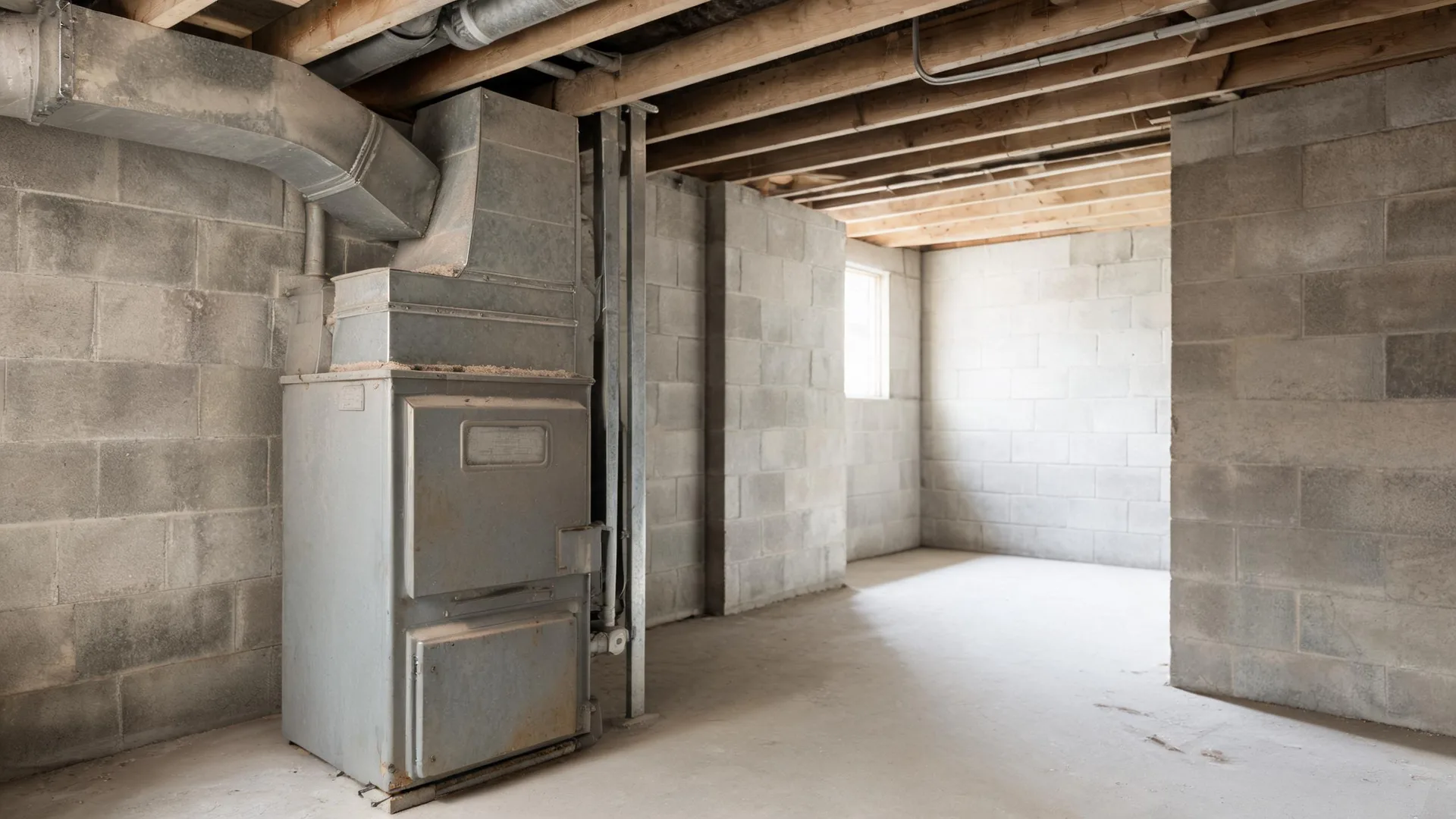
Find a contractorThe old furnace does not get reused or kept around as a backup. It gets disconnected, the gas or electric line capped or rewired, and hauled out the same day the new one goes in. By the time a furnace gets replaced rather than repaired, the heat exchanger has usually cracked or corroded past the point a part fixes it. Sometimes the blower motor and controls are failing together instead, which makes patching it not worth doing. Pulling the old unit also shows what the first install missed. A return duct that was always undersized. A flue that was never pitched right. Fixing those while the old equipment is already out is easier than opening the system back up later.
A furnace sized off square footage alone is a guess. The right number comes from a load calculation that accounts for insulation, window area and duct layout. Too big and the furnace short cycles, heating the house in bursts and wearing out the ignition system faster. Too small and it runs constantly without catching up on the coldest mornings.
A new furnace moving air through old, leaky or undersized ducts will not perform the way the rating sticker promises. Ask whether the ducts get inspected and tested as part of the job, not just hooked back up to the new unit. A furnace is only as good as the path the air takes to get to each room.
The AFUE number on the label tells you what share of the fuel actually becomes heat in the house, and what goes out the flue instead. A higher number means less waste, but it only pays off if the furnace matches the house it's heating. A unit too large for the space cycles on and off before it reaches that rating in practice, no matter what the sticker says. The rating also assumes the ductwork is sealed and sized right, since air leaking out of a duct run never gets the chance to be efficient at all. Furnaces with the same rating can perform differently once installed, depending on how well the rest of the system was put together around them.
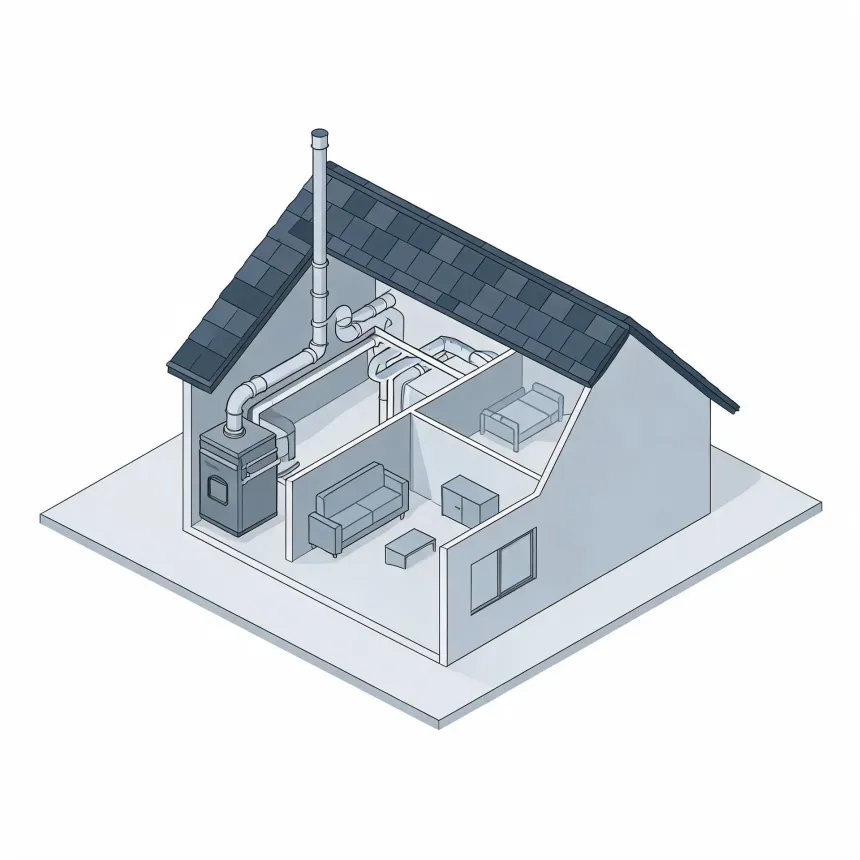
Installation day starts with the old furnace coming out, then the new one gets set in place and the real work begins. The gas or electric line gets connected, the flue or venting gets attached, and the ductwork ties back in at the plenum. Low voltage wiring runs to the thermostat, and that connection gets tested before anything else does. Once power is on, the furnace runs through a full cycle while the technician checks the gas pressure or amp draw, the temperature rise across the heat exchanger, and the airflow at the registers. A combustion analyzer reading on a gas furnace confirms it is burning clean, not just running. The last step is going room to room checking that air is actually moving where it should, because a furnace that tests fine at the unit can still leave a far bedroom cold if a duct run was never balanced.