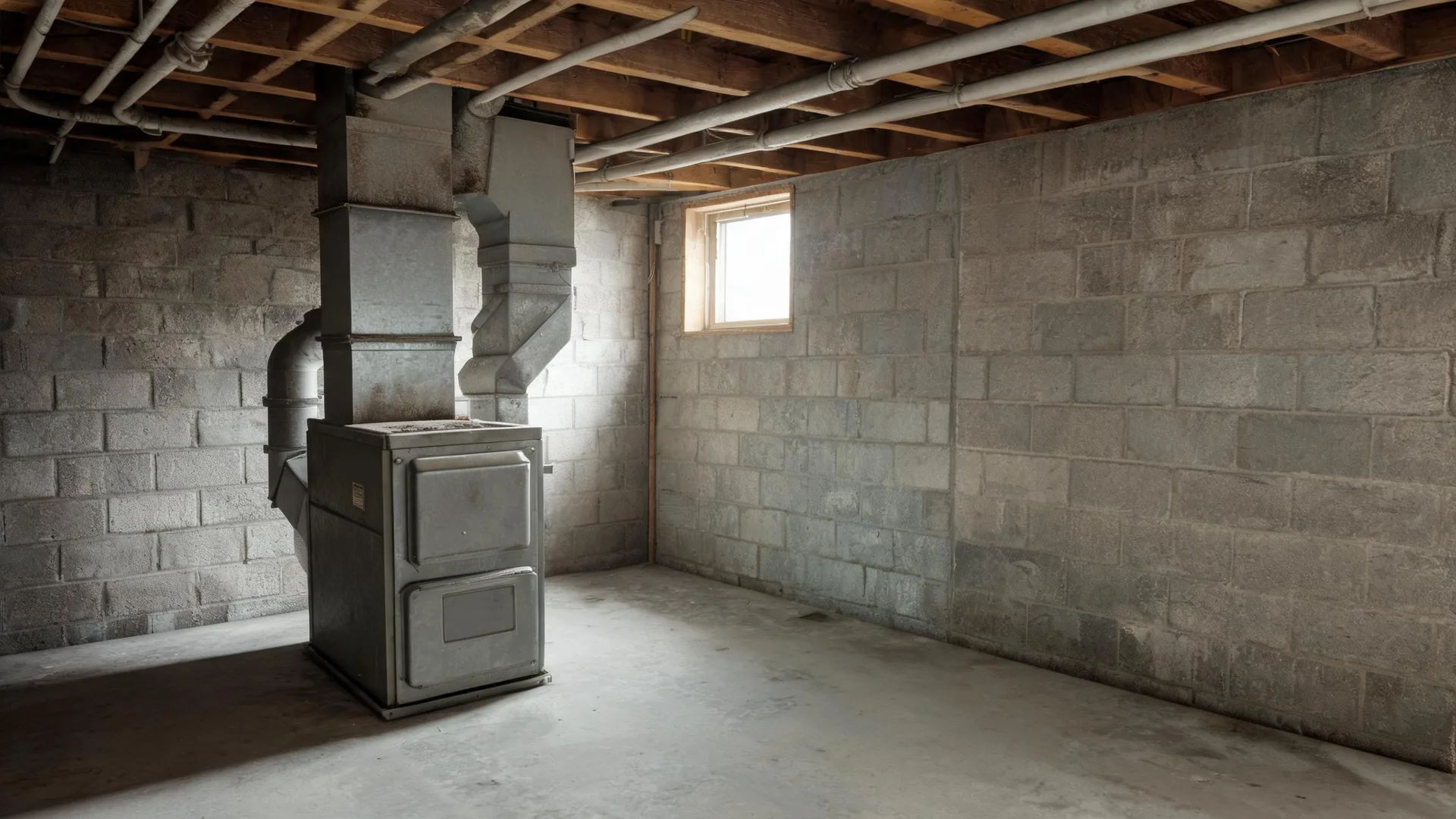
Most homes here run on electric heat
Electricity heats 59.3% of homes in Cleburne County. Gas furnaces are far less common, with utility gas at 20.2% and propane at 16.4%.
Takes about a minute. No obligation.
Electricity heats 59.3% of homes in Cleburne County. Gas furnaces are far less common, with utility gas at 20.2% and propane at 16.4%.
A gas furnace needs a gas line run to it, either utility gas or a propane tank. If your home doesn't have one already, an electric furnace or heat pump skips that step entirely.
NOAA nClimDiv, 1991–2020 normals
Your furnace only has to carry Cleburne County from October through April.
Seven months of moderate demand means a reliable system fits this job without paying for top-tier efficiency.




The size of the furnace matters more than any other factor. A unit too big for the house cycles on and off too fast, which wears out parts sooner and leaves rooms uneven. A unit too small runs constantly and still can't keep up on the coldest days. Getting the size right takes a load calculation, not a guess based on the old equipment. Beyond sizing, what changes the job is what's already in place. If the ductwork fits the new furnace, installation is straightforward. If the vent pipe, the gas line or the electrical setup needs work to meet code, that adds to the job before the furnace itself goes in.
Pick a furnace built to last rather than one priced for peak efficiency. At 31°F average lows, this system isn't working hard seven months out of the year. When one does struggle here, it's usually age or skipped maintenance catching up, not the workload.
Find a contractor
When you're comparing quotes, the specs on the page won't tell you which furnace is the better buy. Ask what the warranty covers on the heat exchanger versus everything else, because those terms are usually different, and the heat exchanger is the part that's expensive to replace. Ask whether the size comes from a load calculation or just matches the old unit, since a furnace sized off the last one carries over whatever was wrong with that choice. Ask what happens to the existing ductwork and vent pipe. A furnace swap that skips checking what's already there can leave a mismatch that shows up later as uneven heat or a part that wears early. Ask who pulls the permit and handles the inspection, because that's what confirms the gas line, the venting and the electrical work meet code rather than just fitting what was there before.
Once the new furnace is in, the old one gets disconnected and hauled out. The gas line, the vent pipe, and the ductwork may carry over if they fit the new unit, but the furnace itself is done once it's pulled.
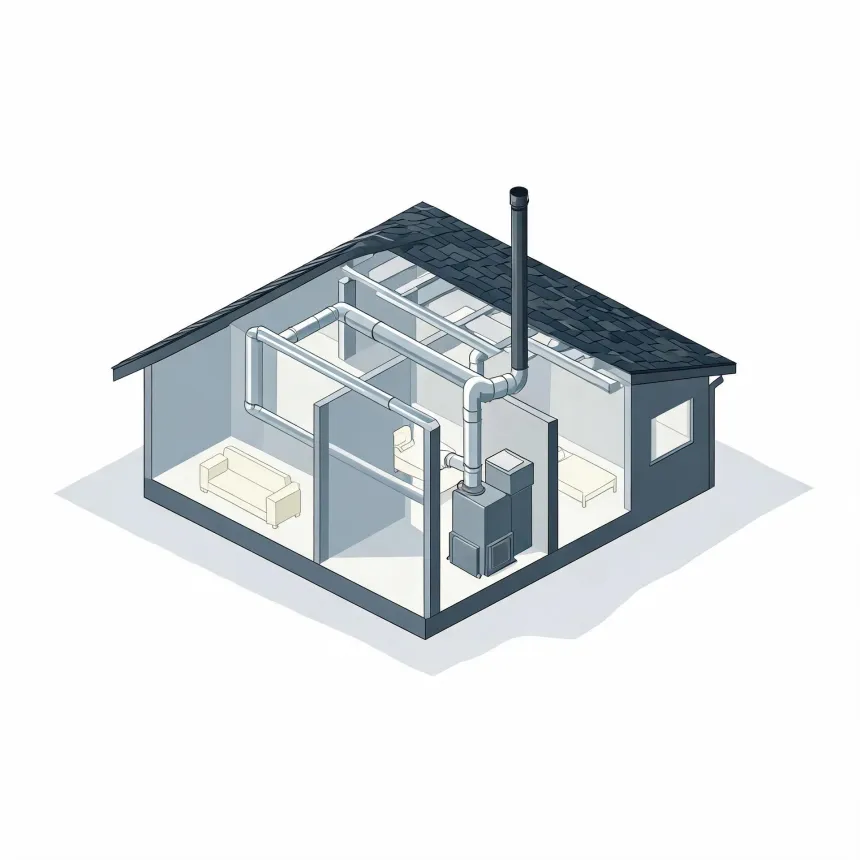
A furnace swap sometimes changes how exhaust gets vented, especially moving between efficiency types. The old vent pipe or chimney liner may not suit the new furnace, and leaving it unused without sealing it off can let air leak where it shouldn't.
The efficiency rating on the label, AFUE, tells you how much of the fuel burned turns into heat for the house versus how much goes out the flue. A higher number means less waste, but it doesn't mean a smaller furnace or an easier install. Furnaces at different ratings can heat the same house the same way, with the higher-rated one costing less to run and more to buy upfront. The bigger difference is in how each type vents. A lower-rated furnace sends hot exhaust up a metal flue. A higher-rated one cools the exhaust first and drains it like a water heater, which means it vents through a plastic pipe out a side wall instead of up through the roof. That difference changes what the installer has to work with, not just what shows up on the utility bill.
The old furnace comes out first. Gas and power get shut off, the ductwork gets disconnected, and the unit gets hauled away before anything new goes in. Setting the new furnace is the fast part of the day. Running new vent pipe, connecting the gas line, wiring the thermostat and control board, and sealing the duct joints is what takes the rest of it. Once everything is connected, a tech fires it up and checks the flame, the airflow, and the temperature rise against what the manufacturer specs call for. A furnace that's wired and connected but never tested under load can run with a problem nobody catches until the first cold night.