




A red brick single-story house with a covered porch and adjacent cream-sided houses behind a trimmed hedge and lawn, framed by large oak trees draped with Spanish moss under an overcast sky.

Furnace Installation in Camden, AR

Tell us about the job

Takes about a minute. No obligation.

New system or replacementFurnace or heatingOuachita County, AR
Step 1 of 2

What ZIP code is the job in?

Utility gas heats 48.7% of homes in Ouachita County, more than any other fuel. Electricity comes in second at 40.5%, and LP gas heats another 6.9%. If your house already has a gas line run to it, a gas furnace is the straightforward replacement. Gas furnaces push out hotter air than electric furnaces or heat pumps, which matters on the coldest nights of the year. Whatever you had before is worth checking before you assume you need something different.

5 months
November through March, your furnace is on duty
34°F
the average winter night it heats against
80% AFUE
the federal minimum any new unit must meet
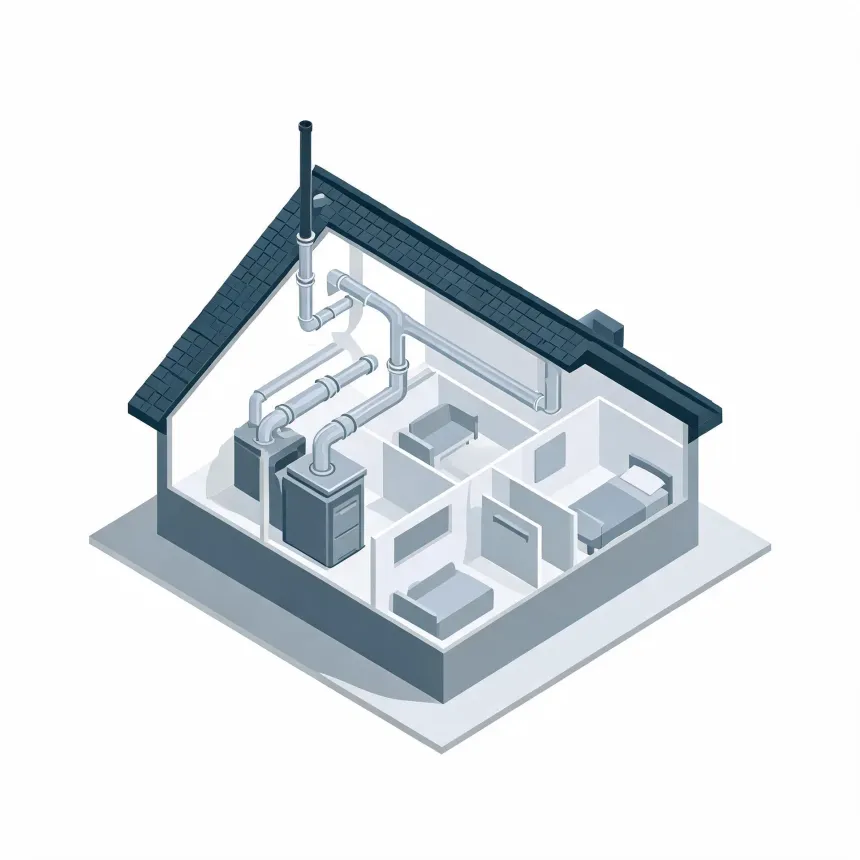
Isometric illustration of a cutaway house showing a furnace unit with ductwork and a flue pipe running through the interior rooms, which contain simple furniture.
Your furnace works hardest from November through March.

NOAA nClimDiv, 1991–2020 normals

Furnaces in Camden start running in November.

Get yours installed in October and it's ready before the cold hits, not after.

Five months of heat, nights around 34°F. A furnace here isn't working hard.

Heat runs November through March
Winter nights average 34°F
8 winter storms from 2015 to 2024
A standard furnace does the jobHalf the homes in Ouachita County were built in 1974 or earlier, half later. Age here doesn't call for anything special.

Natural gas ran $15.77 per million Btu in Arkansas in 2024. That's cheap compared to most of the country, which changes the math on which furnace to buy. A high-efficiency condensing furnace costs more upfront, and with gas this cheap it takes longer for the lower fuel bills to make up that difference. That doesn't mean skip it, but it means the decision here should lean more on what fits your house and what holds up, not on chasing the highest efficiency number on the sheet.

Any furnace installed here has to clear 80 percent AFUE

Any gas furnace installed here has to reach 80 percent AFUE. That's the federal minimum for units built from November 2015 on, and it stays the rule until a higher standard takes over for furnaces built from December 2028. A furnace installed now only has to meet the standard in place when it was built. Ouachita County's mild, humid winters put it in climate zone 3A, which is why this standard applies here rather than the stricter one some colder states use. A federal tax credit is available for qualifying high-efficiency furnaces, worth asking about when you're comparing options.

Find a contractor
A man in a cap, olive shirt and dark pants carries a canvas tool bag up concrete steps toward a dark blue front door, with a potted shrub beside the entry.
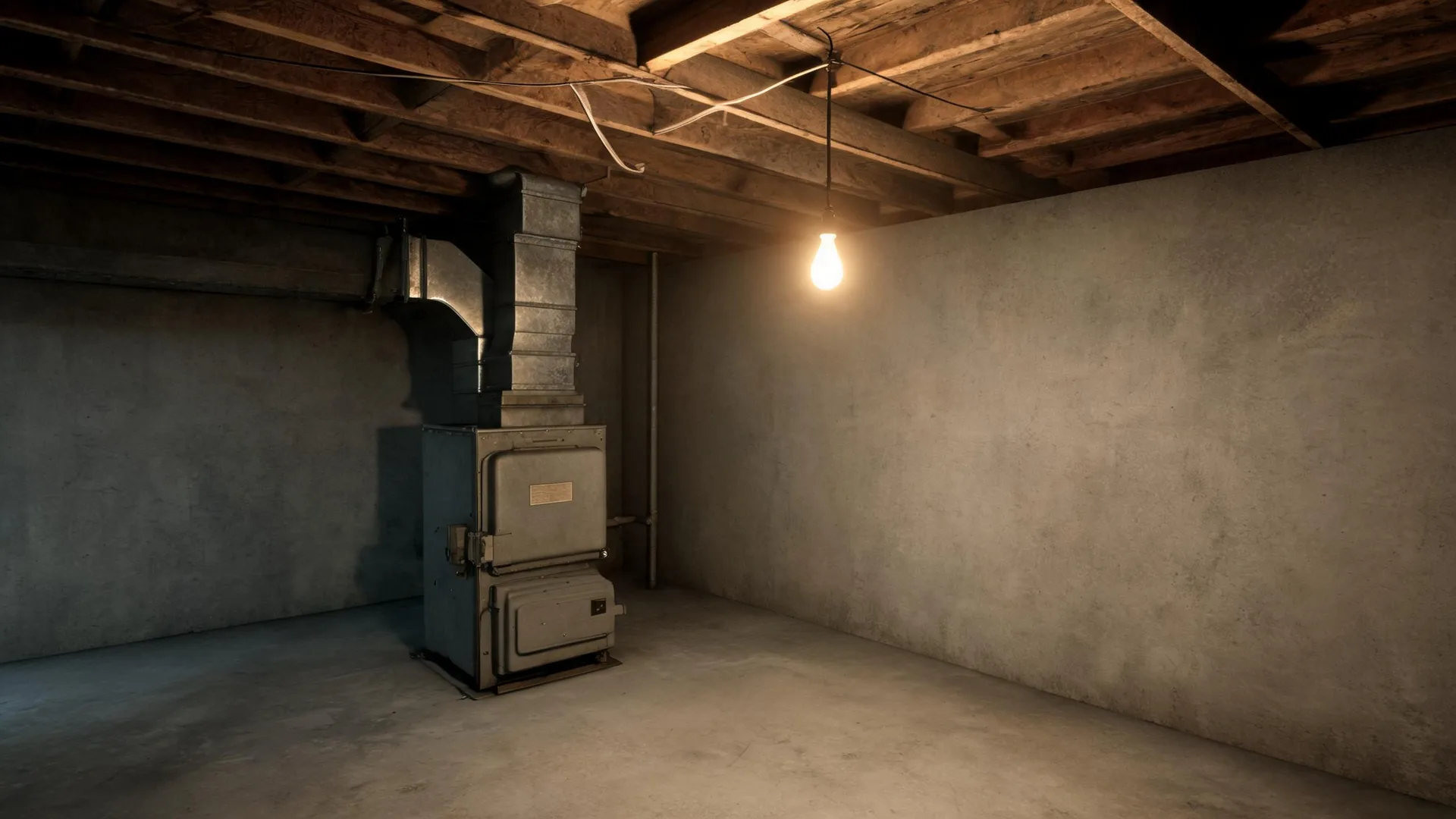
A gray residential gas furnace installed in an unfinished basement, surrounded by ductwork, a metal flue pipe, and a gas supply line.

A furnace here doesn't need to be the best one made

Five months of work and mild nights are not hard on a furnace. Pick one built to last rather than one built to squeeze out the last bit of efficiency, since that gain matters more in places where the system runs longer and harder. Put the money into correct sizing and a solid install instead. Ice storms do hit here from time to time, so the furnace still needs to come on reliably when it's called on.

Ask what size they calculated, and how

A contractor should run a load calculation on your house, not just match the furnace you had before or eyeball it off square footage. A furnace too big cycles on and off instead of running steady, which wears out parts faster and leaves rooms uneven. Ask what numbers went into it and what came out.

Ask what happens to the vent pipe and ductwork

A higher-efficiency furnace vents differently than an older one, often through a different kind of pipe run to a different spot outside. The ductwork already in place was sized for whatever furnace it ran before, and a different furnace can call for different duct sizing to move air the way it's built to. Ask whether the vent pipe and ducts get reused as they are, modified, or replaced.

An unfinished basement containing a gray HVAC furnace with ductwork, exposed wooden joists, a concrete floor, and miscellaneous clutter in one corner.

A high-efficiency gas furnace would save about $90 a year to run in Ouachita County compared with a gas furnace.

  • A high-efficiency gas furnace$470 a year
  • A gas furnace$560 a year

Estimates for a typical Ouachita County home, from EIA household energy data, Arkansas fuel prices and NOAA climate normals. Your home will differ.

The old furnace comes out first, along with whatever vent pipe and duct connections served it. A contractor will check the gas line, the electrical disconnect, and the condensate drain if the new unit needs one, since those don't always carry over cleanly from the old setup. Setting the new furnace and connecting ducts, gas, power, and venting takes most of the day. Once it's in, a tech fires it up and checks the flame, the gas pressure, and the temperature rise across the heat exchanger to make sure it matches what the manufacturer specs. They'll also check airflow at the registers, since that tells you whether the ductwork and furnace are actually working together. A furnace that passes all of that on day one is one you shouldn't have to think about again for a long time.