


What winter here actually asks of a heat pump
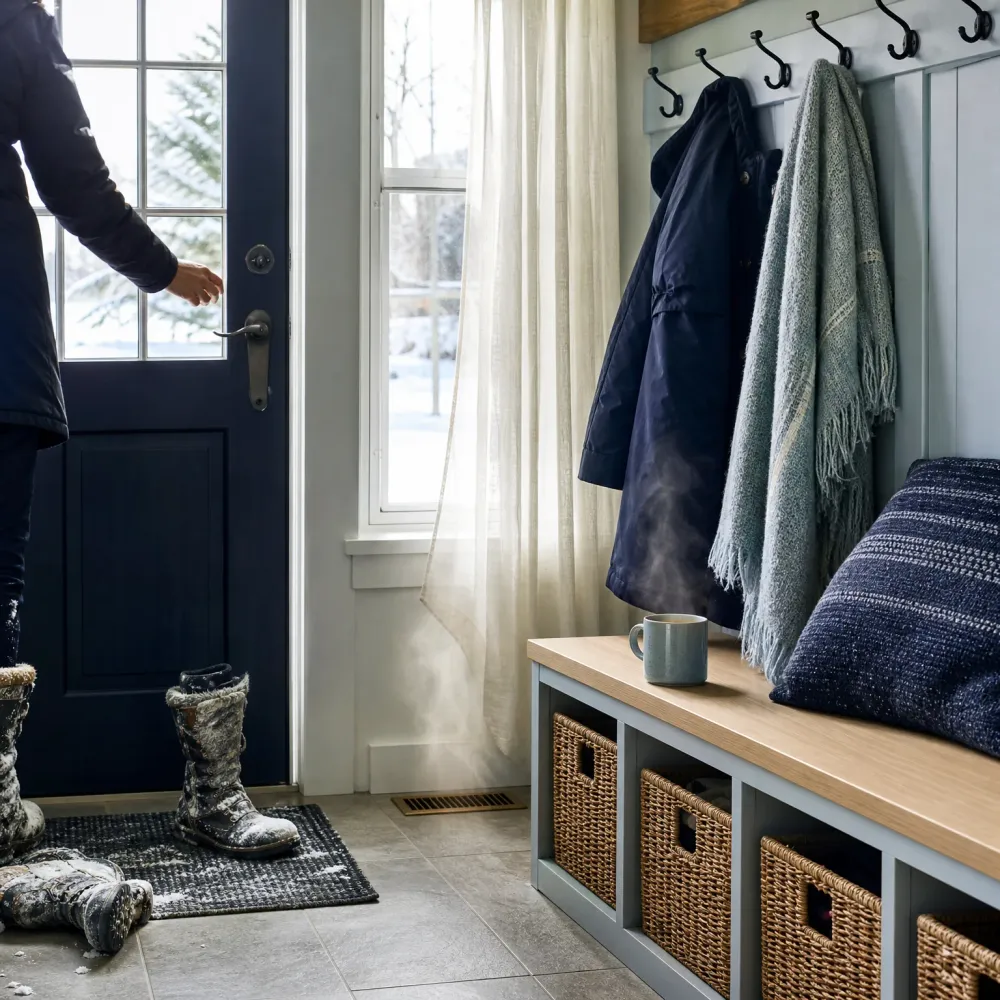
Your winter is mild, but it's not warm, and that's the part that decides this. The overnight low here averages 34°F across December, January and February, and that's exactly where a standard heat pump starts to struggle. Below 40°F it puts out less heat than its rating says. Below about 35°F it usually needs backup heat to make up the difference. Your average winter night sits below both marks.
That doesn't mean the cold is severe. About 60 nights a year here drop to freezing or below, and almost none of them reach 0°F. A heat pump isn't fighting against real cold very often, it's fighting against the mild chill that happens to sit right where its output starts to fall off. That's a different problem than places that actually freeze hard, and it has a different answer.
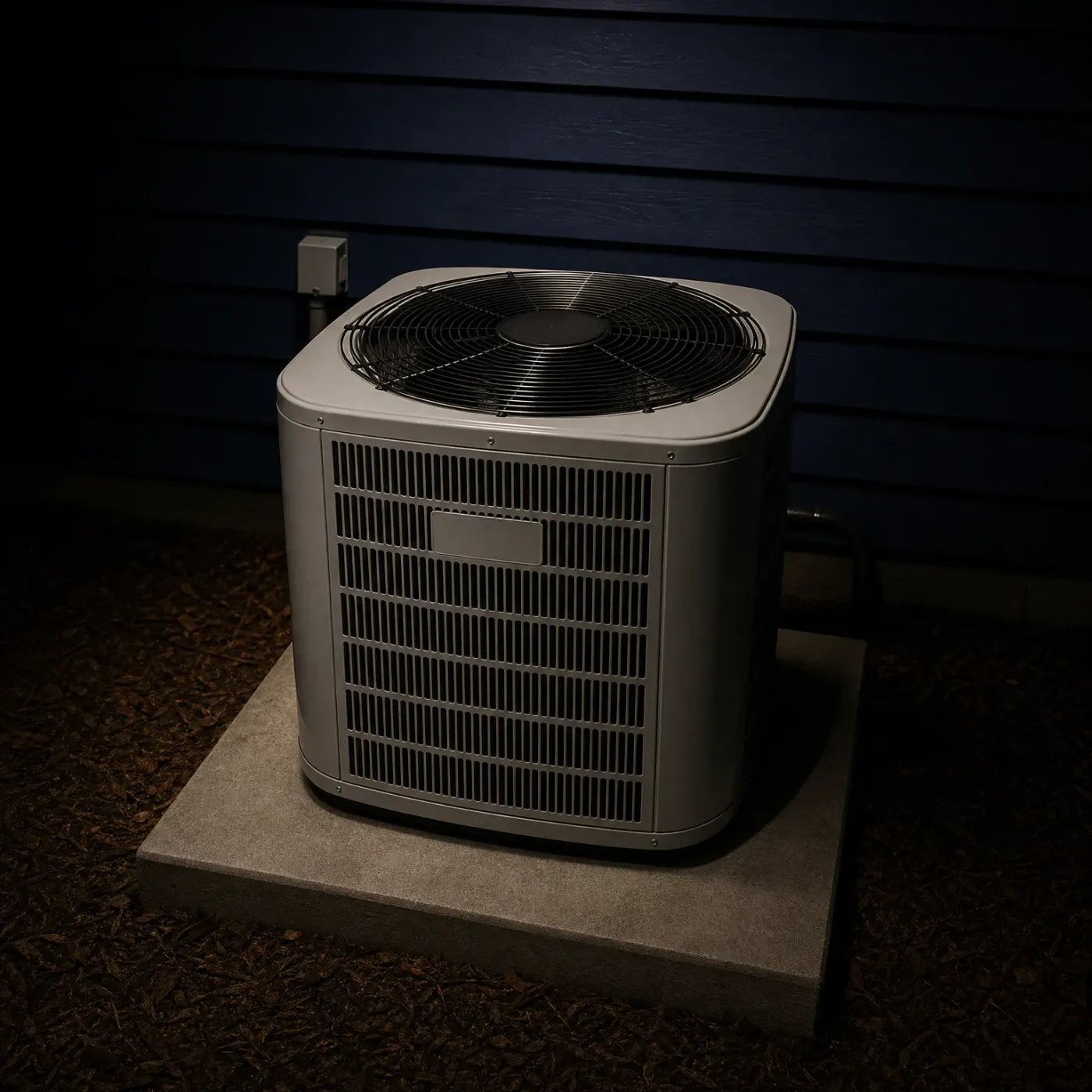
If you buy a heat pump built to the federal minimum, plan on it leaning on backup heat through a good part of your heating season, because that's most of the nights you'll run it. A cold climate heat pump changes this. To earn that label a unit has to make at least 1.75 units of heat per unit of electricity at 5°F, a temperature your county rarely sees, and hold onto most of its capacity at that point. Field tests of these units found backup heat covering only a small share of the output between 0°F and 35°F, and running on backup alone was rare even near 0°F. That's the range your winters actually live in.