A white Southern-style house with a wraparound porch photographed at night, surrounded by Spanish moss-draped oak trees lit by landscape lights.

Furnace Installation in Ozark, AR

Tell us about the job

Takes about a minute. No obligation.

New system or replacementFurnace or heatingFranklin County, AR
Step 1 of 2

What ZIP code is the job in?

Severe weather is common here

Franklin County saw 160 severe weather events between 2015 and 2024, including damaging wind, hail and tornadoes. A new furnace install is a chance to think about where any outdoor components sit, clear of trees and fence lines where wind and falling limbs can reach them.

A furnace needs power to run

Nearly a quarter of Arkansas households went at least a day without power in 2024. Gas and electric furnaces both rely on electricity for the igniter and blower, so it's worth asking about backup power options if winter outages are a concern in your area.

7 months
October through April, your furnace is on duty
31°F
the average winter night it heats against
80% AFUE
the federal minimum any new unit must meet
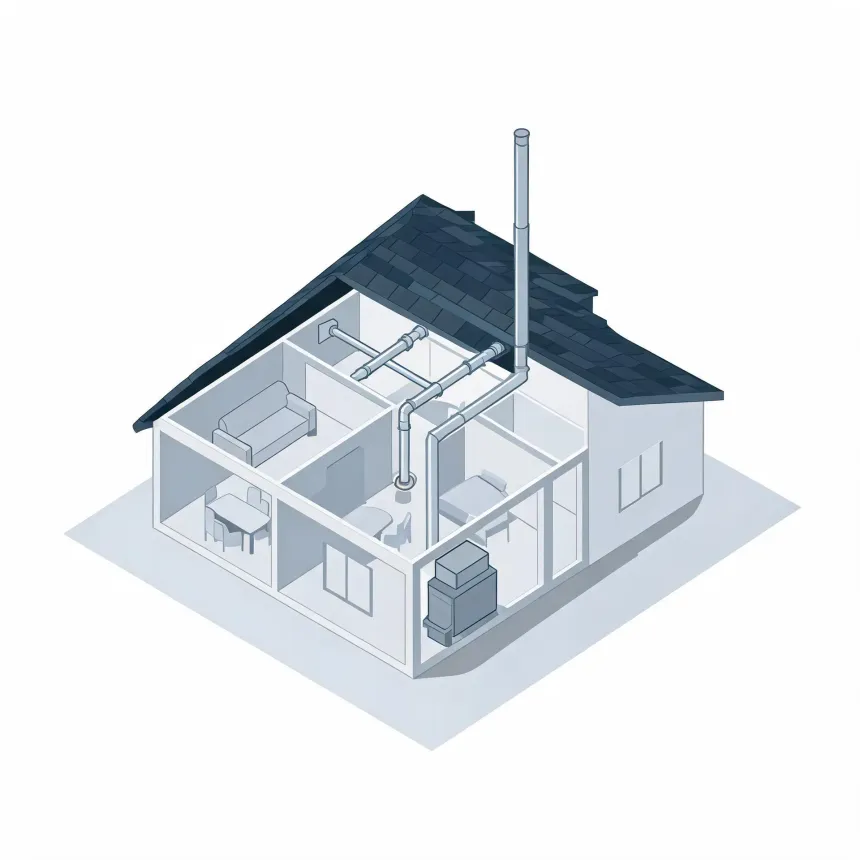
Isometric cutaway illustration of a single-story house showing interior rooms with furniture, ductwork and piping running to a tall vertical flue through the dark shingled roof, and a furnace-like appliance unit on the floor.
Your furnace works hardest from November through March.

NOAA nClimDiv, 1991–2020 normals

Most homes in Franklin County heat with electricity, 62.9 percent of them.

If your old furnace is electric, replacing it with another electric furnace is usually the straightforward call.

September is the month to put in a new furnace before Ozark needs it

Heat runs October through April
Winter nights average 31°F
11 winter storms from 2015 to 2024

A standard furnace, sized and rated for this house, is the right call here. Electricity in Arkansas runs $36.10 per million Btu, and that cost doesn't change based on how big or efficient a furnace you buy beyond what the house actually needs. Bigger isn't better if the house doesn't call for it, and a correctly sized furnace will run more evenly than an oversized one. There's nothing about Ozark that pushes toward a higher-end unit. A licensed contractor can size it to the house and go from there.

Replace it before the season

Replace it before the season starts, so it happens on your schedule, not in a hurry.

Find a contractor
A man in a cap, dark shirt and tan work pants walks up porch steps toward a navy blue front door, carrying a canvas tool bag beside a potted shrub.
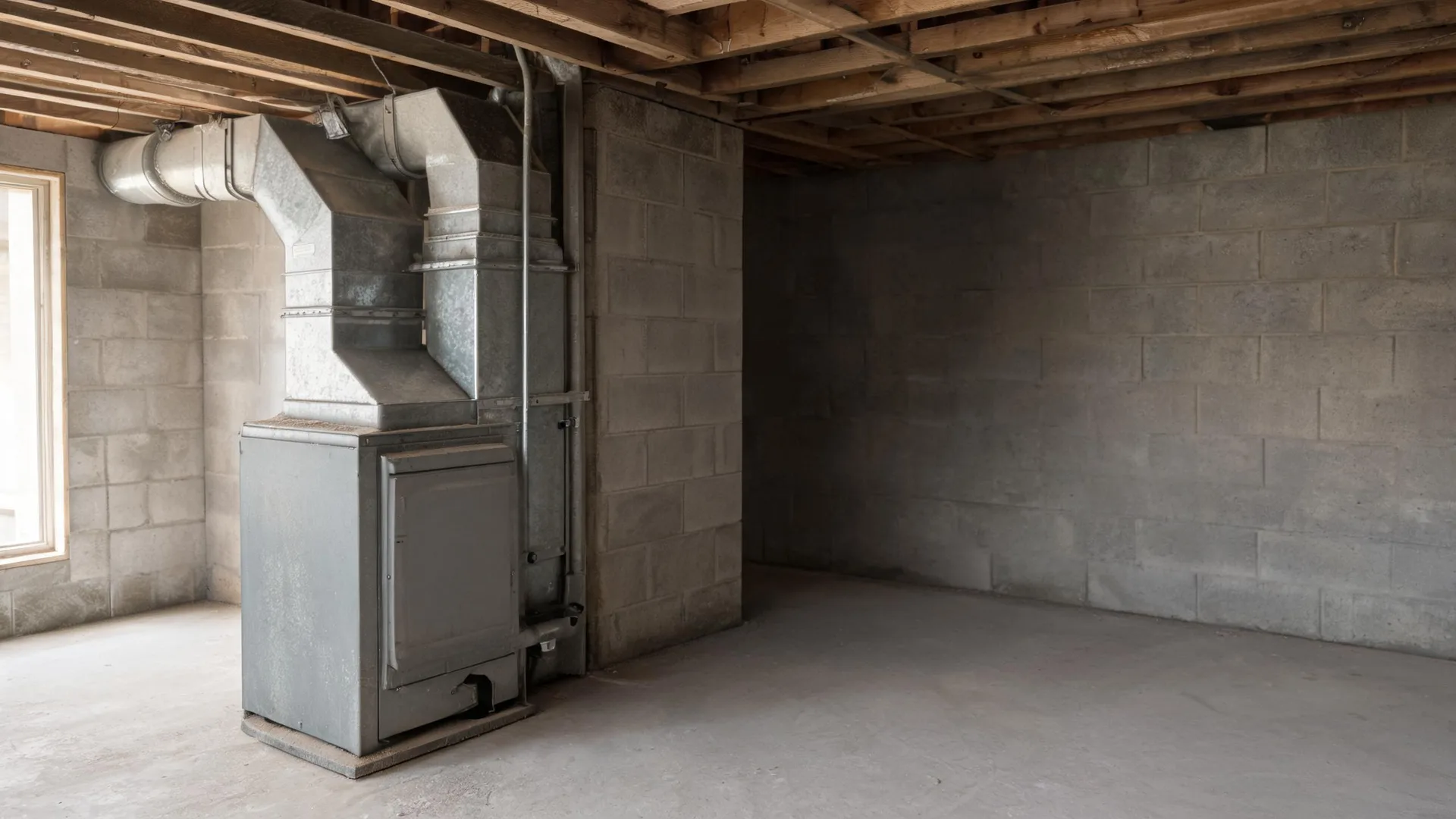
A gray gas furnace with attached ductwork and piping installed in an unfinished concrete basement.

Seven months of heat, most nights near freezing

Furnace here runs about seven months a year, October through April. Overnight lows average 31°F through December, January and February, so it's steady work most nights, not just the occasional cold snap. That's well within what a standard, correctly sized furnace handles. The county has had its share of winter storms over the past decade, which matters more for how the system is installed than for its size. A furnace sized right for this house will hold up the same on an ordinary night and a rough one.

Ask how they sized it

A contractor should size a furnace with a load calculation, room by room, not by matching the number on the old unit or eyeballing the square footage. Ask what method they used and what numbers they got. If nobody mentions doing a calculation at all, that's worth a second opinion.

Ask what happens to the ductwork

A new furnace moves a different amount of air than the old one, and ducts that were fine before can end up too small or too leaky for it. Ask whether the existing ductwork was inspected, and what happens if it needs sealing or changes to work with the new unit.

The old furnace gets disconnected from the gas line or electrical circuit, and the ductwork gets separated from the cabinet. From there it's hauled out, usually the same day the new one goes in, since most installs are built around not leaving a house without heat overnight. A furnace is mostly steel, and scrap haulers take them for that reason, so a contractor can usually arrange to have it recycled rather than sent to a landfill. If the old unit had a standing pilot or any gas connection, that line gets capped off properly before anyone leaves. Ask the contractor what they do with the old equipment. Most have an answer ready because it's part of every install, not something special to yours.

The new furnace gets set in place and leveled. The contractor connects the gas or electric line, the ductwork and the venting, checking each connection before moving to the next. Once it's hooked up, they fire it and let it run through a full cycle, checking the temperature rise against what the manufacturer specifies for that model. That number has to fall in range, not just close to it. Too high or too low both point to an airflow problem that needs fixing before anyone leaves. The vent system gets checked too, since a furnace has to exhaust properly on every cycle. Expect the contractor to walk through the thermostat settings with you and leave paperwork on the unit for warranty purposes before they go.