



Can a heat pump keep up on the coldest nights here
Winters here are mild more often than not. The overnight low averages 31°F across December, January and February, and only about 75 nights a year dip to freezing or below. Out of roughly 210 nights in the seven months the heat runs, that's under half. Nights at 0°F or colder barely happen, fewer than one a year.
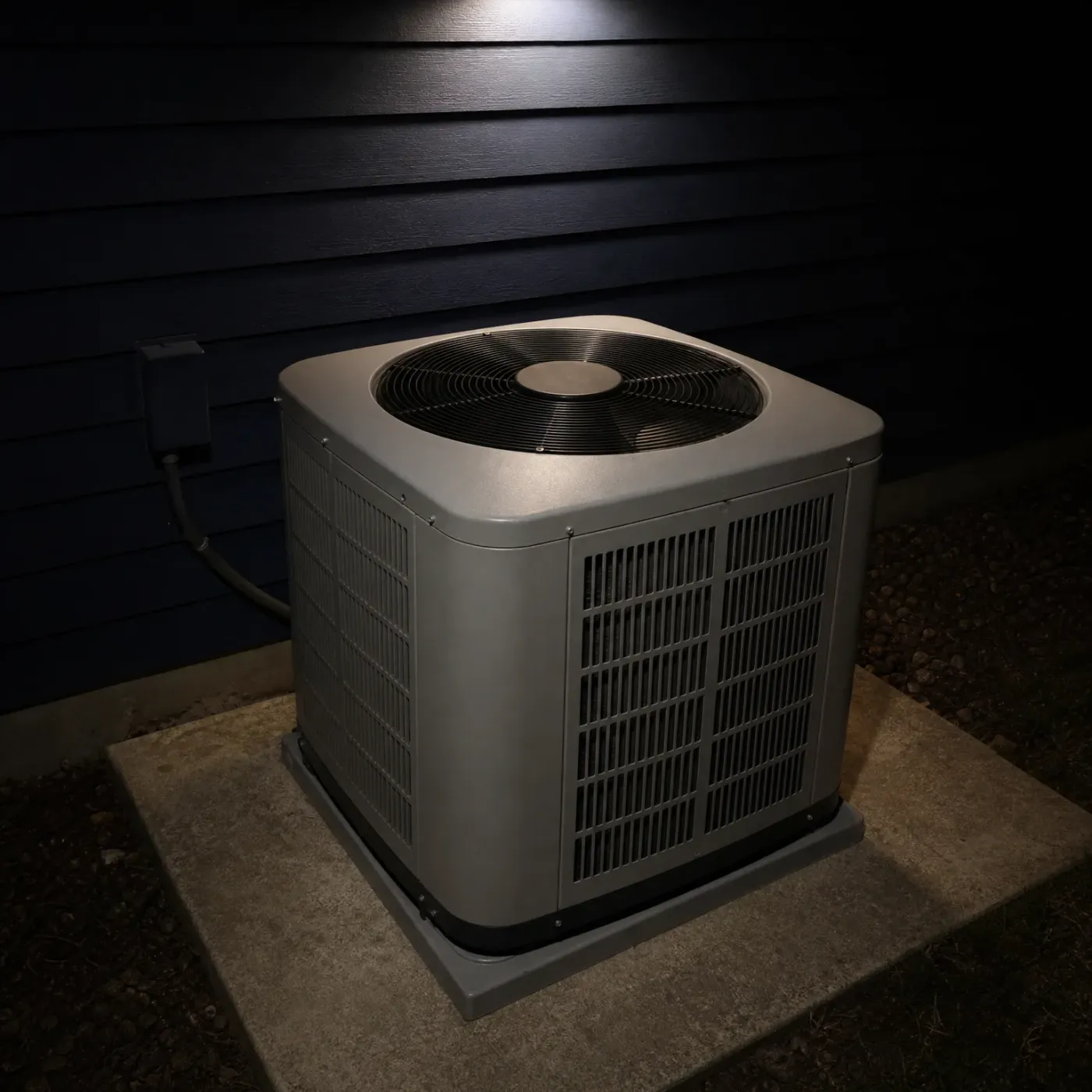
That matters because a standard heat pump has two marks against it in the cold. Below 40°F it starts putting out less heat than its rating says. Below about 35°F it often needs backup heat to make up the difference. The average winter low here sits below both marks, and every one of those 75 freezing nights does too. So a heat pump installed here will lean on backup heat and reduced output through a real part of the winter, not just on rare arctic nights.
That doesn't mean it falls short. If cold performance matters most to you, look for the ENERGY STAR Cold Climate label. To earn it, a heat pump has to deliver at least 1.75 units of heat per unit of electricity at 5°F and hold onto 70 percent of its 47°F capacity at that temperature, and that's checked by independent testing, not the manufacturer's word. Field tests of these cold-climate models in occupied homes back it up: backup heat covered only a small share of the heat needed between 0°F and 35°F, and running on backup alone was rare even above 0°F. A furnace, by contrast, puts out the same strong heat regardless of how cold it gets outside.