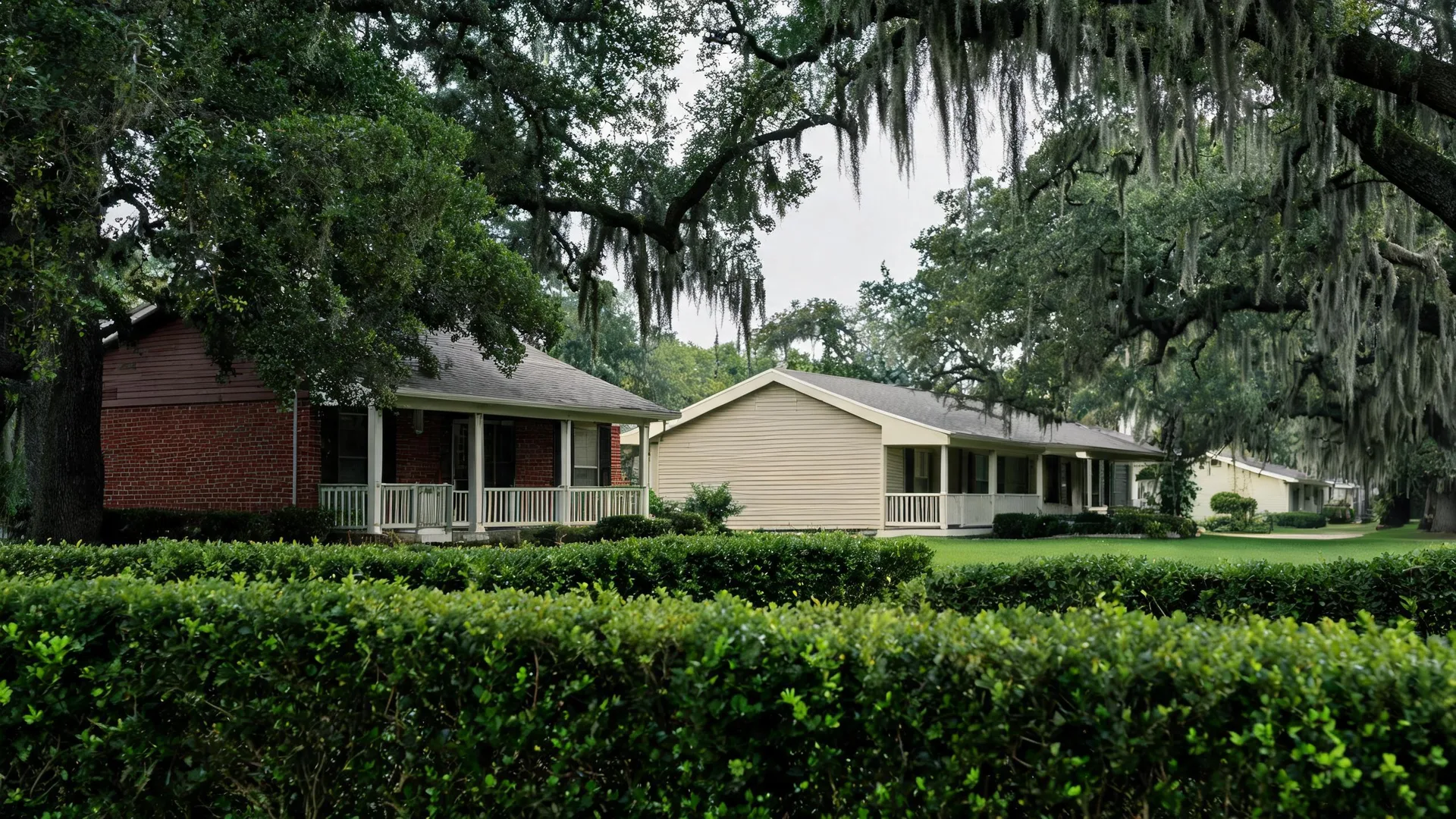






Single-story brick and cream-sided houses with covered porches behind a trimmed hedge and lawn, shaded by large oak trees draped with Spanish moss under an overcast sky.

Furnace Installation in Russellville, AR

Tell us about the job

Takes about a minute. No obligation.

New system or replacementFurnace or heatingPope County, AR
Step 1 of 2

What ZIP code is the job in?

Pope County saw 124 severe weather events between 2015 and 2024, most of them damaging wind. A furnace still needs power to run, for the blower and the control board both. Gas or propane doesn't move air on its own. Almost a quarter of Arkansas households went at least a day without power last year, so it's worth asking the installer what happens to your new furnace when the lines go down, not after the fact. Where the outdoor equipment sits matters too, with hail and wind both common here.

7 months
October through April, your furnace is on duty
30°F
the average winter night it heats against
80% AFUE
the federal minimum any new unit must meet
Isometric cutaway illustration of a house with a shingled gable roof, showing a gray furnace unit connected to overhead ductwork and a chimney flue, with simplified furniture in the rooms below.
Your furnace works hardest from November through March.

NOAA nClimDiv, 1991–2020 normals

A furnace sized by the square foot instead of a load calculation can short cycle or run long, no matter how good the brand is.

Ask the installer to walk through the load calculation for your house, not just quote you a model number.

September is the month to get this done, before the cold and the next outage both arrive

Heat runs October through April
Winter nights average 30°F
Climate zone 3A

Electricity heats close to 7 in 10 homes in Pope County, gas heats about a quarter, and propane takes a small slice. That split matters when you're picking a furnace. A gas or propane furnace still needs electricity to run the blower and the control board, so an outage knocks it out the same as it would an electric furnace. If you're replacing what's already there, matching the existing fuel line and venting is usually the simpler job. If you're switching fuels, the installer will need to check whether the gas line, venting or electrical panel can support the change before anything gets quoted.

A standard furnace, sized and installed right, is enough

Nothing about Russellville calls for an oversized or premium furnace. A unit sized to a proper load calculation, matched to your home's fuel line and venting, will heat this house through the winter. The question worth settling before the install is what happens to it when the power goes out, not what tier of equipment goes in.

Find a contractor
A man in a cap, dark jacket and tan work pants carries a canvas tool bag up concrete steps toward a dark blue front door, with a potted shrub beside the entry.
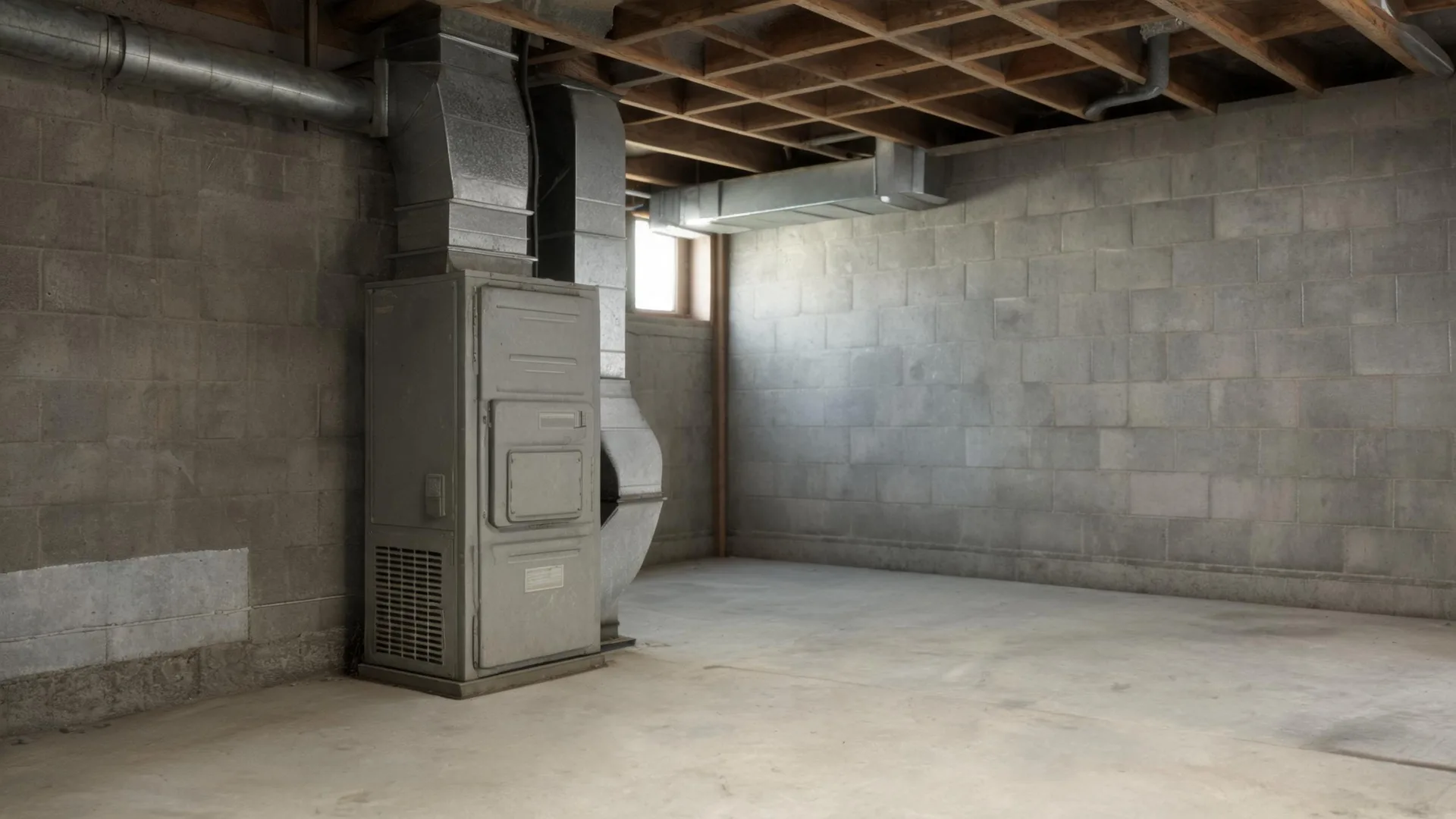
A gray residential gas furnace installed in an unfinished basement, connected to sheet-metal ductwork and PVC pipes.

Seven months of work, most of it easy

Furnace here runs about seven months a year, October through April. That's a real stretch of the calendar, but it's not the same as running hard. Overnight lows average 30°F through December, January and February, cold enough to call for real heat, not cold enough to push a properly sized furnace anywhere near its limit. A system that fits your home's load calculation will cycle on and off at a normal pace all winter rather than grinding through long runs. Less strain over the years means a repair down the road is usually worth making rather than a sign the unit is worn out. What shortens a furnace's life here tends to be age or a skipped filter change, not the workload.

AFUE tells you what's lost up the flue

The efficiency rating on a furnace is a measure of fuel burned versus heat delivered into the house. The rest goes out the flue as exhaust. A higher rated furnace pulls more heat out of the same flame before letting it go, which is the whole difference between ratings.
A higher rating changes the venting, not just the bill

Furnaces at the high end of the rating scale cool the exhaust enough that it has to leave through plastic pipe instead of a metal flue, run by a condensate drain, and often vent out a sidewall instead of the roof. That's a different installation, not just a different price tag on the same box. Ask the installer what venting your chosen rating requires before you compare quotes.

What drives the price isn't really the furnace itself. Most units in a given tier cost close to the same. The bigger swing is what it takes to connect one to your house. Running new venting, adding a condensate line, upgrading an electrical circuit for the blower, or modifying ductwork that doesn't match the new unit's airflow all add labor and material before the furnace ever turns on. A straight swap, same fuel, same venting, same footprint, is the simplest version of this job. Anything that changes how exhaust leaves the house or how air moves through the ducts adds steps, and steps are what you're really paying for.

The old furnace comes out first, along with anything attached to it that doesn't carry over, old venting, a mismatched flue, line sets that don't fit the new unit. The installer checks the ductwork connection before setting the new furnace in place, since airflow in and out has to match what the unit is built to handle. Gas or propane line gets connected and checked for leaks, electrical gets run to the control board and blower, and venting goes in to match whatever rating furnace you chose. Once it's set and sealed, the installer fires it up and watches it run a full cycle, checking the flame, the temperature rise across the unit, and that air is moving the way it should through your ducts. A straight swap can wrap up the same day. Anything that changes venting or ductwork takes longer, because those parts of the job happen before the furnace itself ever gets touched.