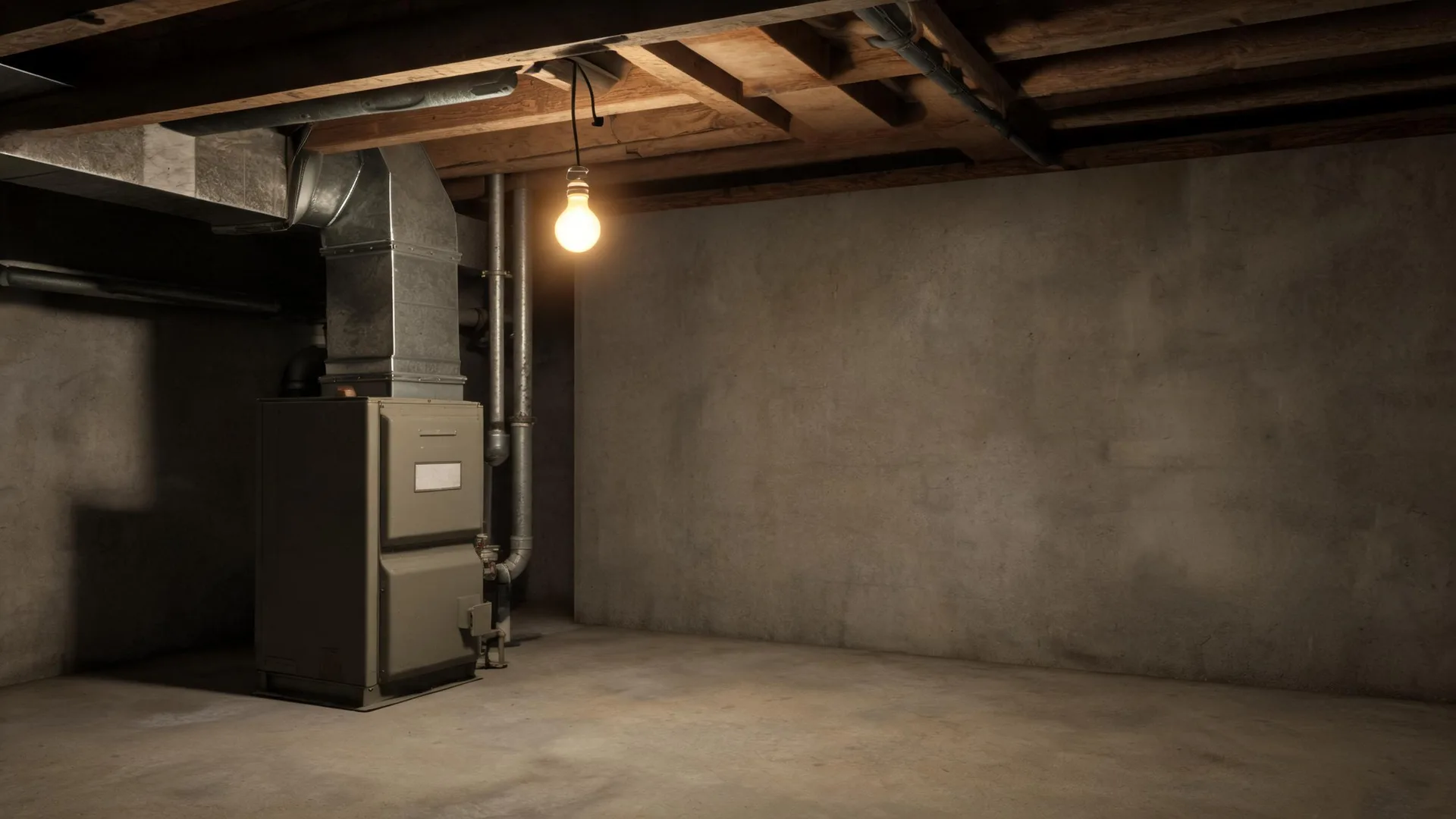
Most homes here run on electric heat
Electricity heats 66.5% of homes in Yell County. Gas reaches 19.8%, propane 7.3%. An electric furnace is the common choice around Dardanelle, not the exception.
Takes about a minute. No obligation.
Electricity heats 66.5% of homes in Yell County. Gas reaches 19.8%, propane 7.3%. An electric furnace is the common choice around Dardanelle, not the exception.
If your house already runs on electric heat, going with an electric furnace again keeps the install straightforward. No gas line to run or check, no propane tank to deal with. The wiring and ductwork a contractor finds will already be built around that setup.
NOAA nClimDiv, 1991–2020 normals
Furnaces in Dardanelle run about six months a year, November through April.
A system that sits idle the rest of the year doesn't need to be the top-tier model to hold up.




Dardanelle sits in climate zone 3A, warm with mild winters, so a furnace here is only working part of the year. Any new gas furnace still has to hit 80 percent AFUE, the federal minimum. That floor rises to 95 percent in 2028, so a furnace bought now meets a lower bar than one bought a few years from now. A federal tax credit is available for furnaces that beat the minimum, worth asking a contractor about if they're quoting a higher-efficiency unit.
October is the last quiet month before heat season starts. Get the furnace in then and it's done before you need it, not while you're waiting on it in the cold.
Find a contractor
Six months of work a year, and most of those nights only need to hold a house at 32°F, not fight a deep freeze. That's a light load. A mid-efficiency furnace can carry it for years without strain. Put the money you'd spend chasing a higher AFUE number into a unit that's built well and sized right for your house instead.
A furnace that's too big cycles on and off instead of running a steady stretch, and that short cycling wears the heat exchanger and the igniter faster than steady use would. A contractor who sizes the unit to the house, not just to the square footage, is doing the part that actually protects the equipment.
A new furnace pushed through ducts that are too small, leaky, or poorly laid out won't heat the house evenly no matter how good the unit is. Sealing joints, fixing a crushed return, or adding a damper can matter more to comfort than the furnace model itself.
When you're comparing quotes, ask how the contractor arrived at the size they're proposing. A good answer references a load calculation done room by room, not just the square footage of the house. Ask what the warranty covers on the heat exchanger versus the rest of the unit, since that part often carries different terms than the blower or controls. Ask whether the quote includes sealing or fixing the ductwork, or whether it's just swapping the furnace into what's already there. Contractors can quote the same furnace and mean very different jobs underneath it.
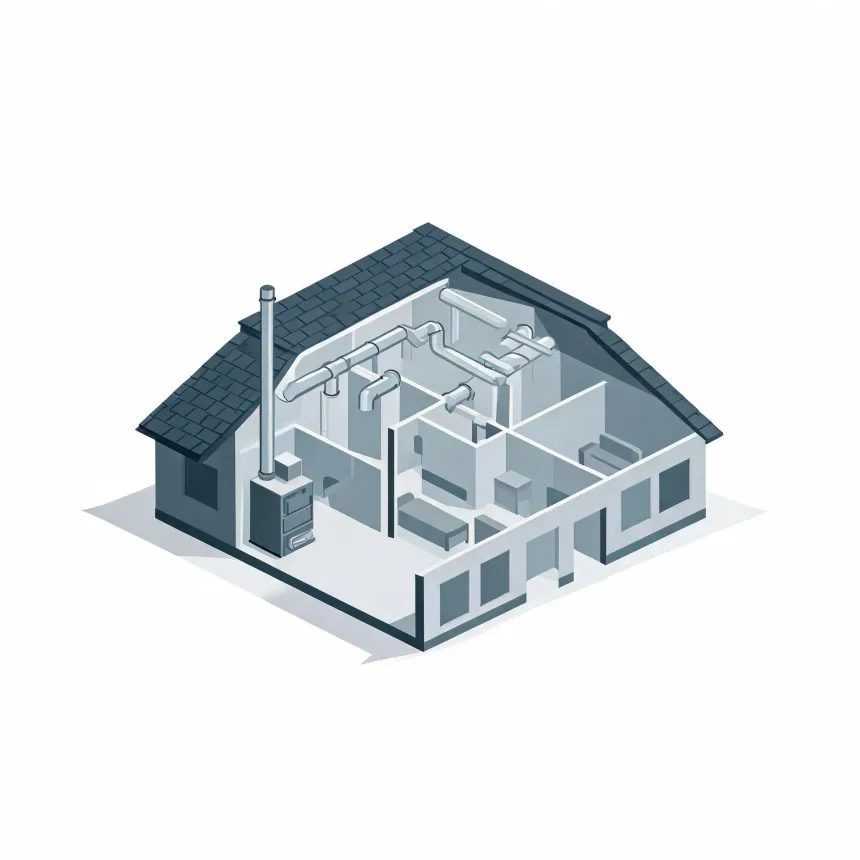
Install day starts with the old furnace coming out, and that part goes quick. What takes longer is everything around it. The contractor checks the plenum, the return, and the flue or vent connection, and makes sure the new unit actually mates up with ductwork that was built for a different furnace. Electrical gets tied in, a condensate line gets run if the unit needs one, and the gas or power connection gets tested before anything is buttoned up. Then comes startup. The contractor checks airflow, checks the temperature rise across the heat exchanger, and watches the system cycle to make sure it runs a full steady stretch instead of short cycling. A careful contractor doesn't call the job done when the furnace turns on. They call it done when it's proven to run right.