
Can a heat pump keep up here
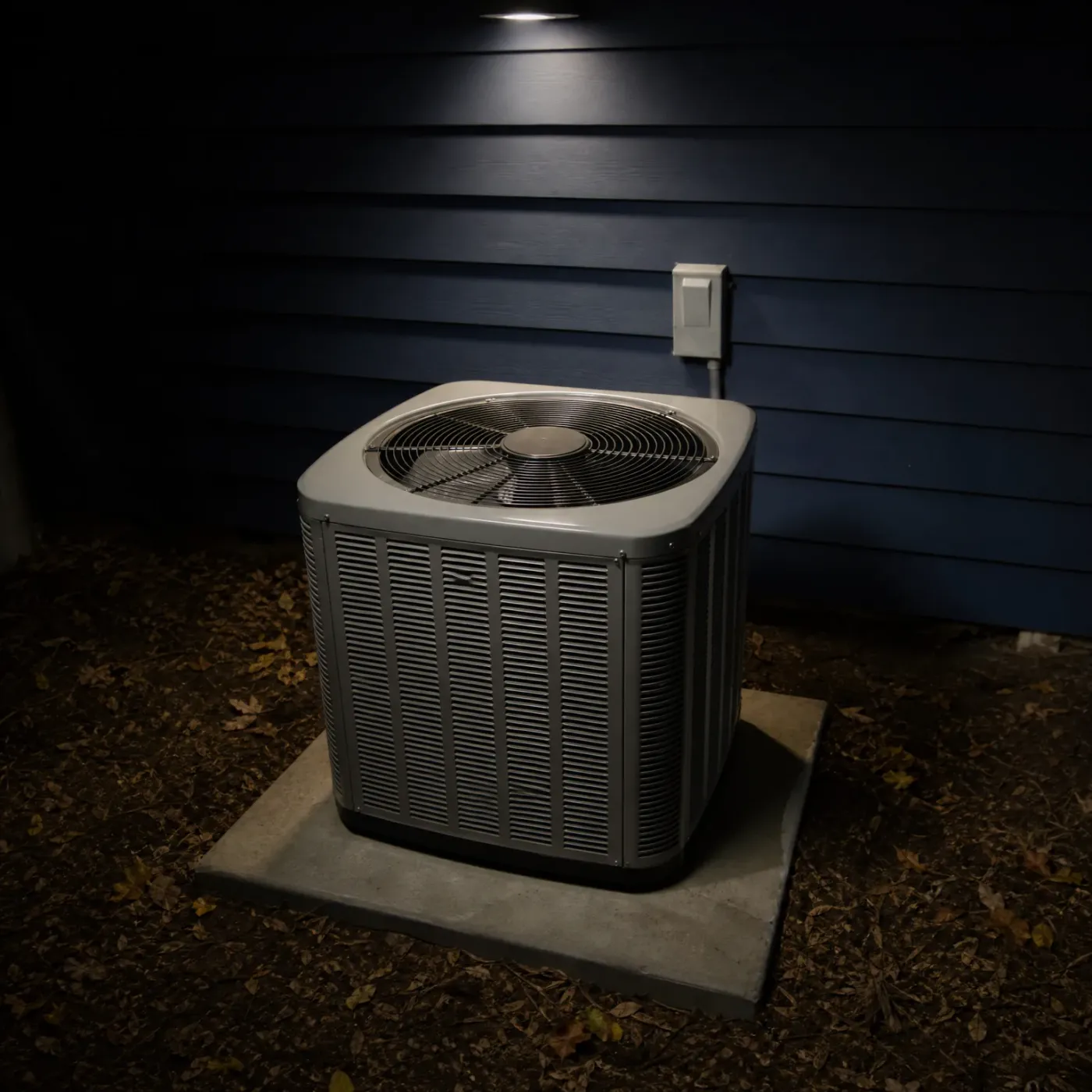
Winter here is mild, not cold. The overnight low averages 32°F across December, January and February, and it only drops to 0°F or below less than one night a year. That matters because a standard heat pump has two different weak points, and both are tied to temperature. Below 40°F it starts putting out less heat than its rating says. Below about 35°F it often needs backup heat to make up the difference. Yell County's average winter night sits right at that first mark and under the second one.
That sounds worse than it plays out. Of the roughly 180 nights that heating runs here, about 70 dip to freezing or below, and almost none of those reach 0°F. So the nights asking the most of a heat pump are also the mildest versions of "cold" this county sees. A two-winter field test of cold-climate heat pumps in occupied homes found backup heat covered only a small share of the output between 0°F and 35°F, and the units rarely ran on backup alone unless it dropped below zero. Yell County almost never does.
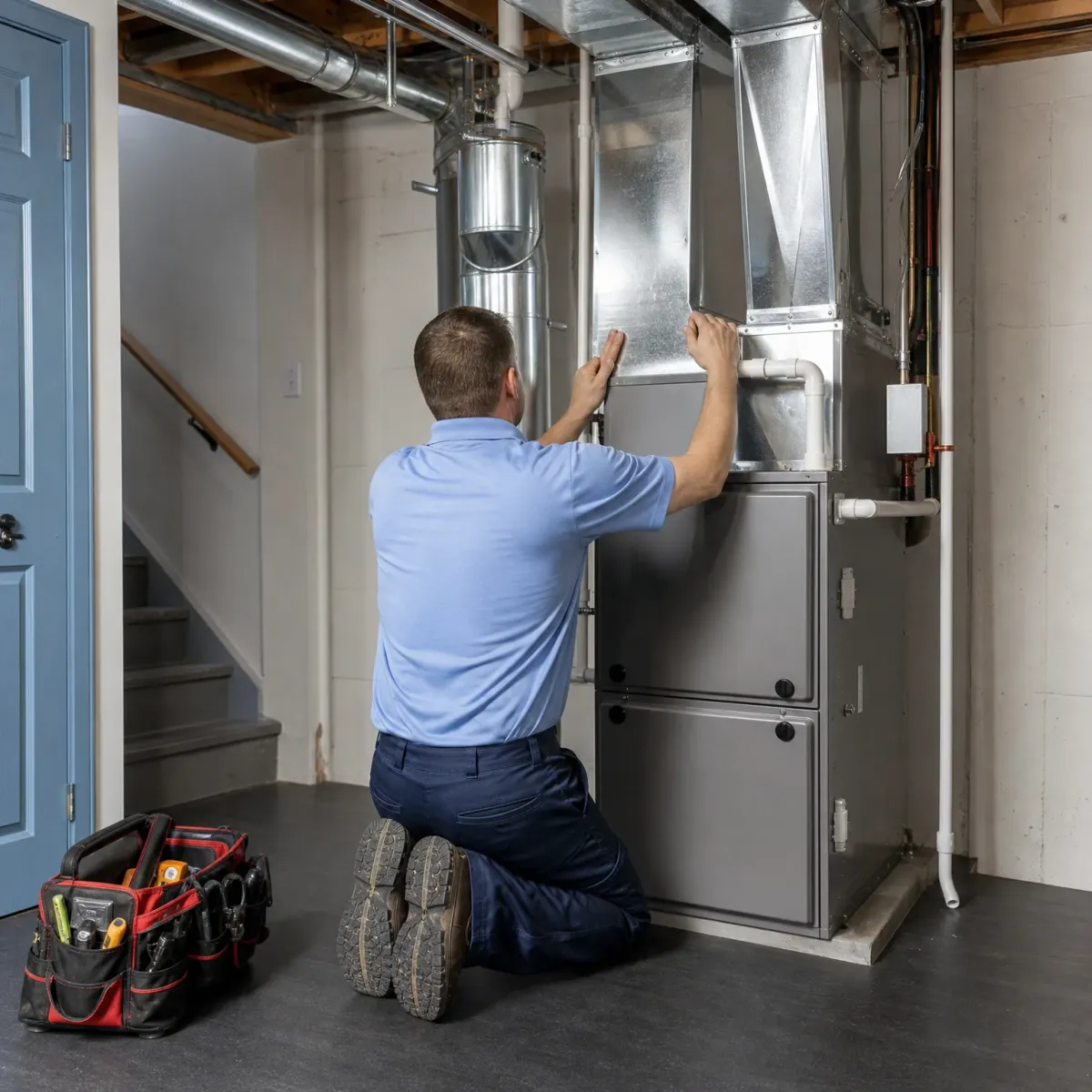
If you want a wider margin than a standard heat pump offers, that margin has a name: ENERGY STAR Cold Climate. Those units are tested to hold onto at least 70 percent of their 47°F capacity at 5°F, a temperature this county's average winter night never approaches. For most houses here, a standard heat pump is sized for the winter that actually shows up. A cold-climate model is the one to ask about if you want room to spare on the coldest handful of nights.