White two-story houses with wraparound porches and Spanish moss-draped oak trees photographed along a residential street at night.

Furnace Installation in Mena, AR

Tell us about the job

Takes about a minute. No obligation.

New system or replacementFurnace or heatingPolk County, AR
Step 1 of 2

What ZIP code is the job in?

Most homes here run on electric heat

Electricity heats 59.1% of occupied homes in Polk County, with gas furnaces in a much smaller share of houses. An electric furnace is the common setup in Mena, and matching what's already there keeps the installation straightforward.

What's already run to the house decides the job

An electric furnace needs a dedicated circuit sized for it, and a gas furnace needs a gas line and venting already in place. If your system came with the house, whichever fuel it uses now is usually the simplest one to install again.

7 months
October through April, your furnace is on duty
31°F
the average winter night it heats against
80% AFUE
the federal minimum any new unit must meet
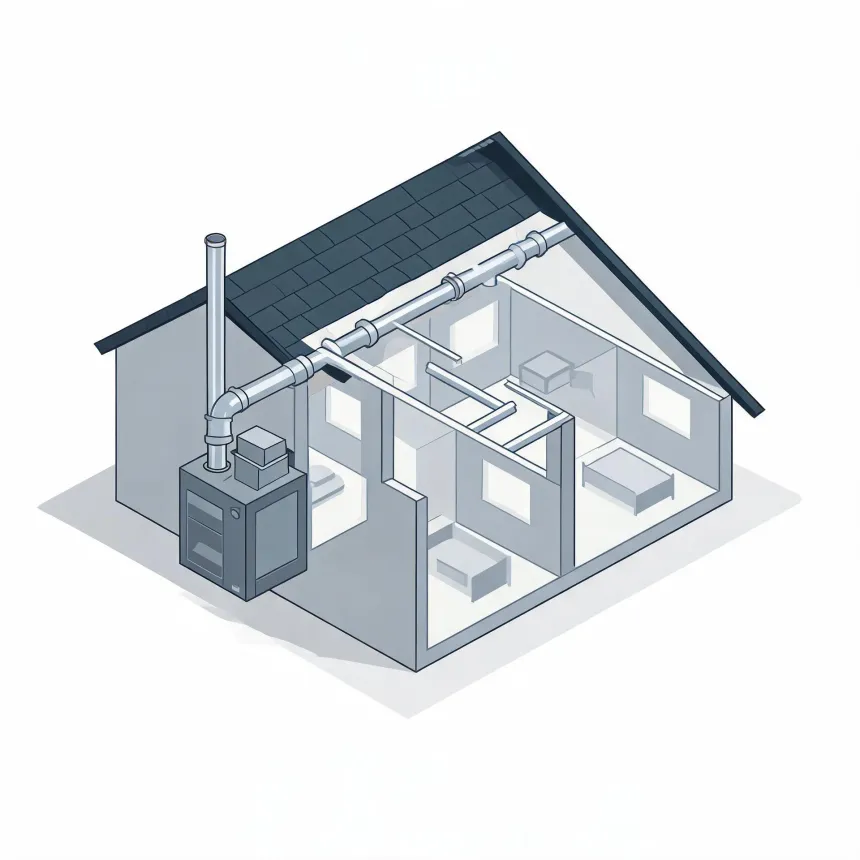
Isometric cutaway illustration of a small house showing interior rooms, ductwork running through the attic, and a furnace unit with a vertical flue pipe on the exterior wall.
Your furnace works hardest from November through March.

NOAA nClimDiv, 1991–2020 normals

Furnaces in Mena start running in October.

Install in September and the schedule is yours, not the weather's.

Seven months of heat, and nights averaging 31°F, is not a hard winter to ask a furnace to cover

Heat runs October through April
Winter nights average 31°F
Climate zone 3A
Power here runs cheapArkansas homes paid $36.10 per million Btu in 2024, electric or gas

Polk County logs plenty of severe weather. Seventy events between 2015 and 2024, mostly wind and hail rather than snow and ice. A standard furnace handles that without any special sizing or upgrade. What it can't handle is a power outage, and those happen here. Close to a quarter of Arkansas households went at least a day without power in 2024. An electric furnace won't run without power no matter how new it is. A gas furnace with standing pilot ignition will still light without electricity, though its blower still needs power to move the air. Worth asking about if losing heat during a storm matters for your house.

Install now and you're choosing from today's rules, not the stricter ones coming in 2028

A furnace installed here now has to hit 80 percent AFUE at minimum, the federal floor for new units. That rule tightens to 95 percent for furnaces manufactured from December 2028 on, so what qualifies for installation will change. A federal tax credit is available for qualifying high-efficiency equipment installed now, on top of whatever this furnace needs to meet for Zone 3A.

Find a contractor
A man in a cap, dark shirt and tan work pants carries a worn canvas tool bag up porch steps toward a dark blue front door, with a potted shrub beside the entry.
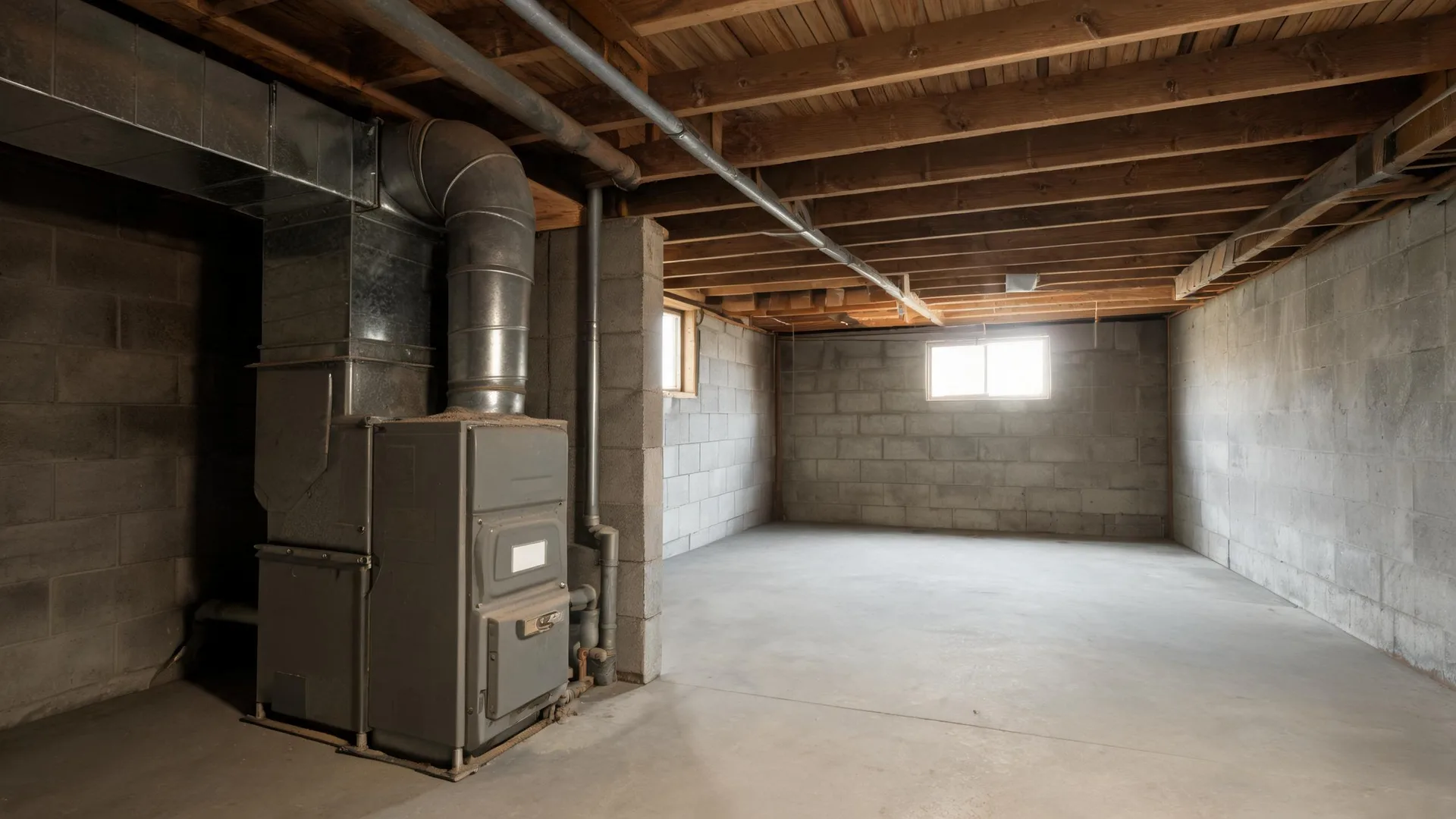
A gray high-efficiency gas furnace installed in an unfinished basement, surrounded by gas lines, a condensate drain, and sheet-metal ductwork.

Seven months of work a year

A furnace sized right for seven months of heat a year doesn't need to be built for more than that. Put the money into a unit that matches this job, not one rated for a harder climate than Polk County has.

AFUE tells you what's wasted, not what's delivered

The AFUE number on the label is the share of fuel that turns into heat in the house instead of going out the flue. A furnace rated higher wastes less fuel doing the same job. It says nothing about how big a space it can heat or how fast, so a higher rating doesn't mean a better fit for this house, just less waste in whatever size you pick.

The gain only shows up in what the furnace burns

A higher AFUE furnace costs more to install and less to run, and that difference shows up on the gas bill, not in comfort or how warm the house feels. An electric furnace turns almost all its power into heat already, so the rating matters most when comparing gas units against each other, not gas against electric.

A couple of contractors can quote the same size furnace and mean different things by it. Ask each one how they arrived at that number, not just what it is. A proper sizing calculation looks at square footage, insulation, window area and layout, not just a rule of thumb based on the old unit. Ask what happens to the existing ductwork too. A new furnace moving air through ducts that are leaky or undersized won't heat the way it's rated to, no matter how good the unit is. And ask what's included in venting and electrical work, since those can turn a straightforward swap into a bigger job once the walls are open.

Installation day starts with the old furnace coming out, not the new one going in. The contractor disconnects the gas line or the electrical circuit, pulls the unit, and takes a real look at what it's been sitting on and hooked up to. Ductwork gets inspected here, since a new furnace tied into old, leaky ducts won't perform the way it's rated to. If it's a gas furnace, venting gets checked for the new unit's requirements, not just reused from the old one. The new furnace gets set, connected to gas or power, tied into the ducts, and the controls get wired to the thermostat. Before anyone leaves, it should get fired up, run through a full cycle, and checked for the right airflow and temperature rise, not just switched on and left.